Collection Inspiration: Volcanoes
Posted on 1/20/2026
Volcano Awareness Month is observed every January in Hawaii, with the goal of educating the public about volcanic activity, volcanic hazards and the importance of safe exploration of Hawaii's active volcanoes.
The Hawaiian island chain was formed through volcanic activity, making volcanoes like Kīlauea and Mauna Loa icons of the state. However, Hawaii isn't the only region in the world with prominent active volcanoes. Volcanoes across the globe have created unique ecosystems, altered landscapes and created new landmasses that can form fertile soil that is rich in minerals. Volcanic eruptions can also be catastrophic events that lead to historic natural disasters, devastating entire areas and transforming a region's makeup for centuries to come.
To commemorate Volcano Awareness Month and to bring more awareness to these geological marvels, PMG is taking a look at banknotes from around the world that feature images of volcanoes.
Anak Krakatoa (Indonesia)
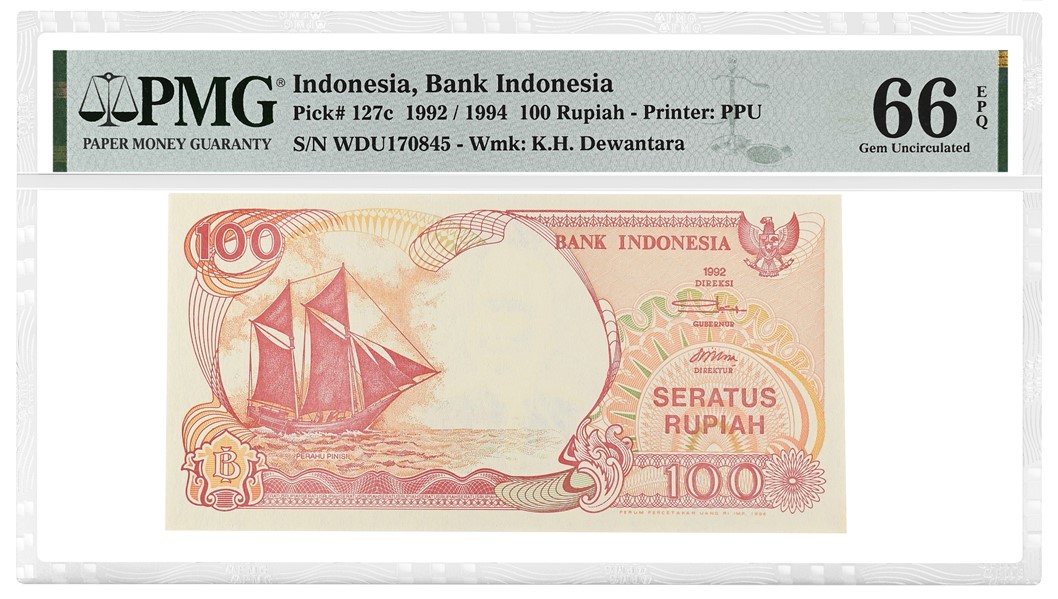
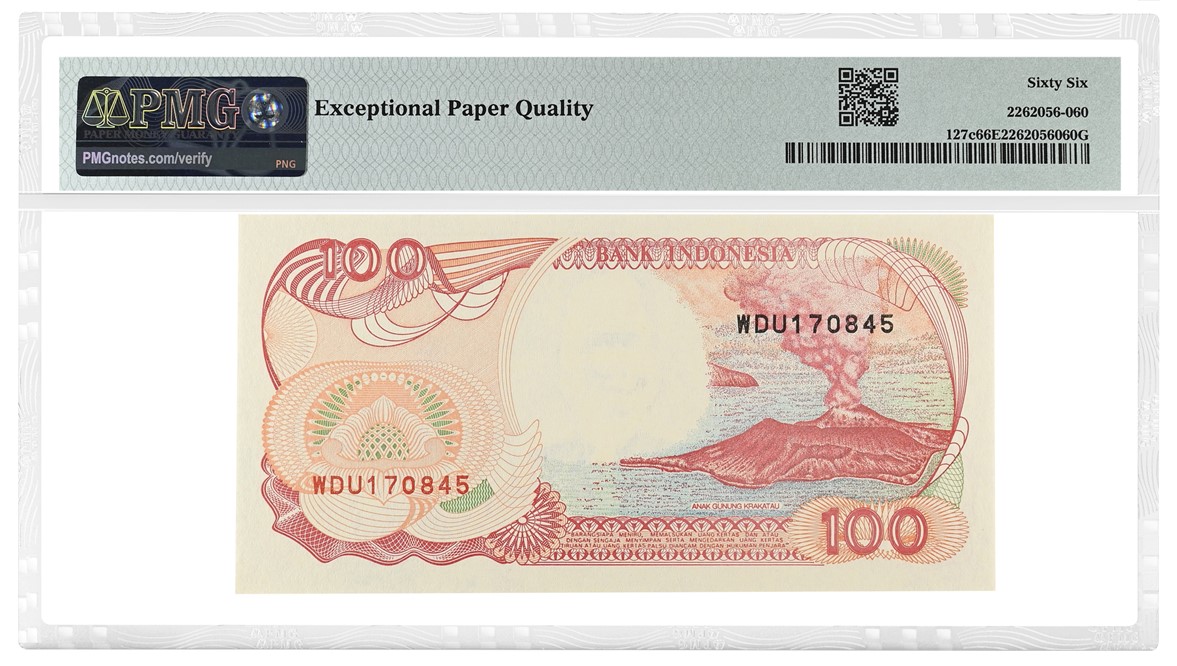
Anak Krakatoa is a volcanic island that is located in the Sunda Strait between the Indonesian islands of Java and Sumatra. In 1883, a catastrophic eruption occurred, which killed more than 30,000 people and obliterated two-thirds of Krakatoa Island, leaving only the southern half of the island intact. The most recent volcanic activity led to a large sector collapse, which led to a deadly tsunami in December 2018. The eruption and ensuing tsunami killed more than 400 people, becoming the deadliest volcanic tsunami in Indonesia since the 1883 Krakatoa event. Part of the Pacific Ring of Fire and one of the most active volcanoes in the world, Anak Krakatoa is the subject of extensive study by volcanologists to this day. This famous volcano made its way onto the Indonesian 100 Rupiah note in the 1990s, with a full image of Anak Krakatoa and billowing smoke rising into the sky.
 |
|
 |
|
| Click images to enlarge. | |
Hekla (Iceland)
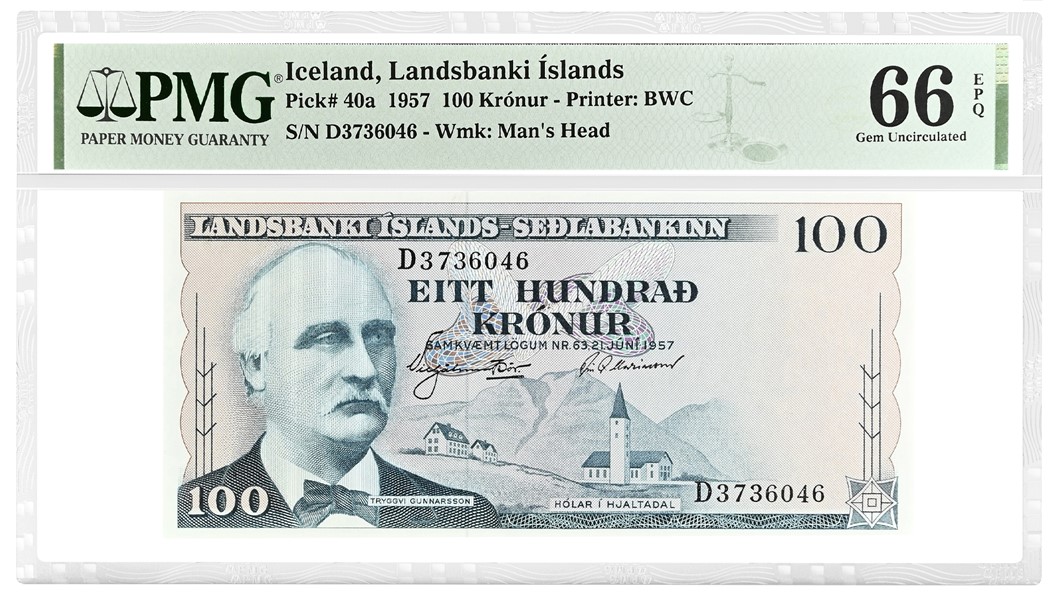
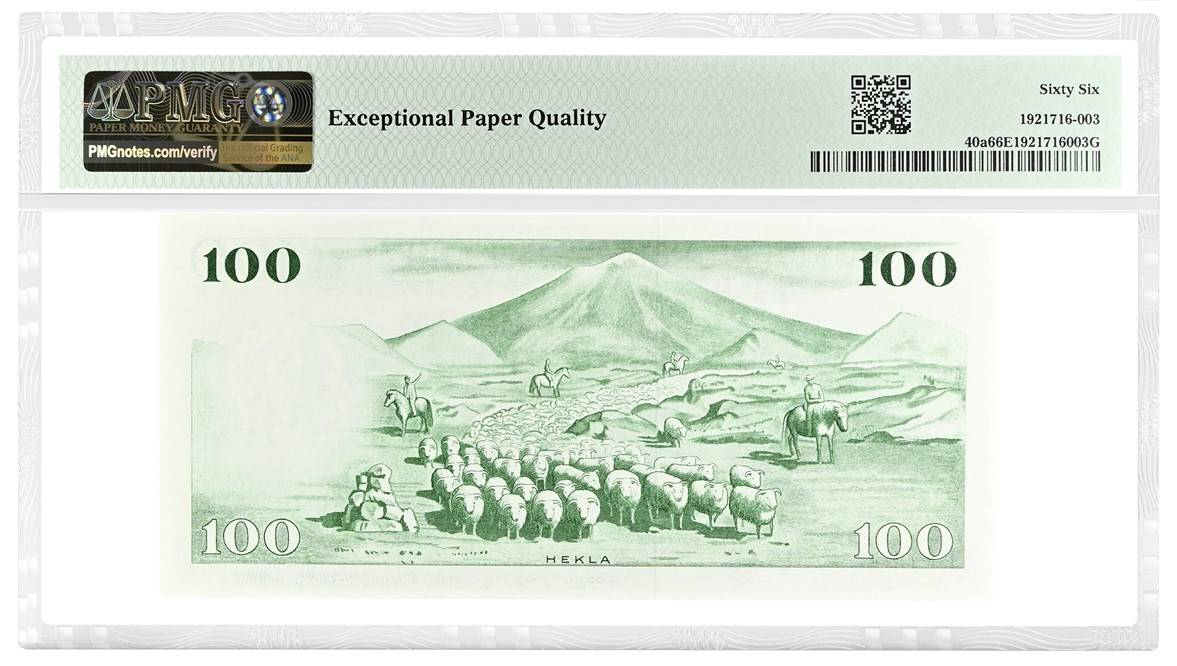
Hekla is an active stratovolcano, which is characterized by its classic cone-shaped formation profile with a summit crater and explosive eruptions. It sits in the south of Iceland and is one of the country's most active volcanoes, with more than 20 eruptions occurring in and around the volcano since the year 1210. In fact, during the Middle Ages, the Icelandic Norse nicknamed the volcano the "Gateway to Hell," and much of Europe followed suit. In the last 1,000 years, Hekla's eruptions have been responsible for approximately 10% of the tephra created in Iceland, with the volcano producing one of the largest volumes of lava of any in the world in the last millennium. Hekla is prominently featured on the back of the country's 1957 100 Krónur note, with a herd of sheep in the foreground.
 |
|
 |
|
| Click images to enlarge. | |
Izalco (El Salvador)
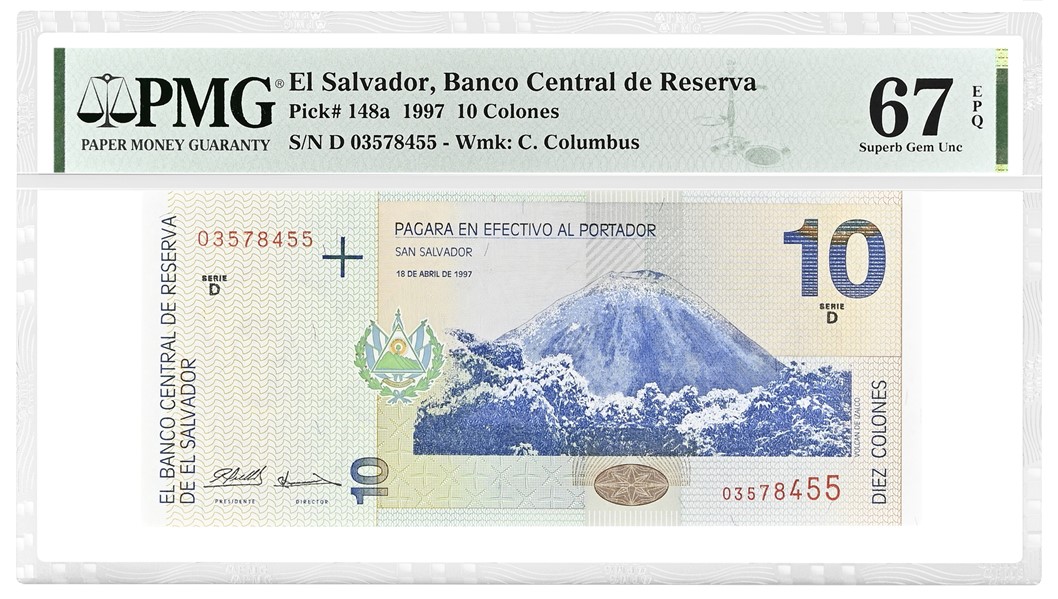
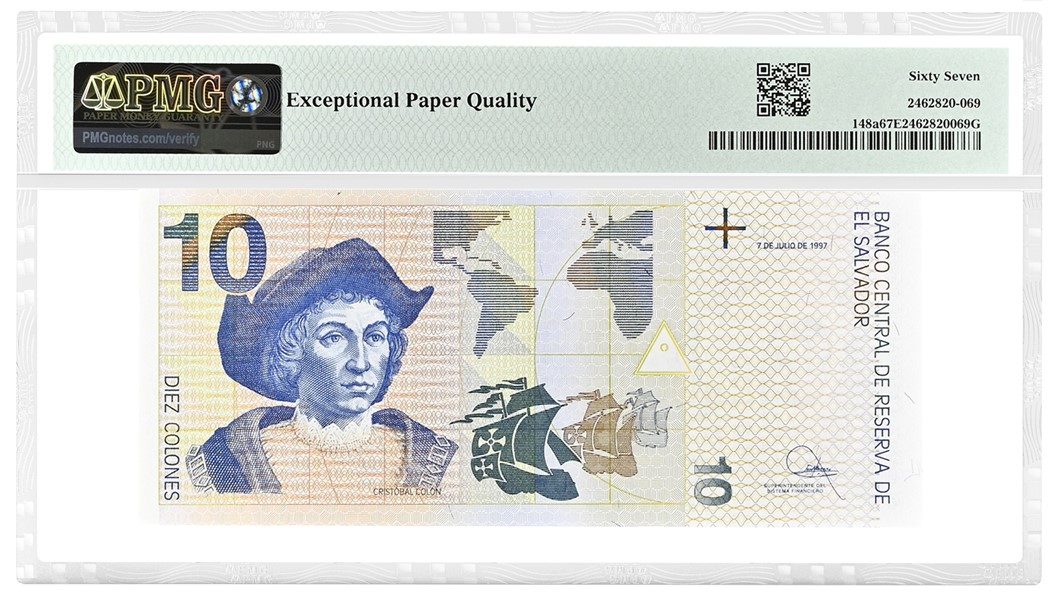
A national icon of El Salvador, the Izalco volcano is visited and climbed regularly by locals and tourists alike and was even featured on the country's 10 Colones note in the 1990s. Izalco is another active stratovolcano, which erupted regularly for almost 200 years from its formation in 1770. These continuous eruptions helped Izalco earn the nickname "Lighthouse of the Pacific." Flank eruptions occurred most recently in 1966, but an eruption in 1926 buried the village of Matazano and killed 56 people in its destruction.
 |
|
 |
|
| Click images to enlarge. | |
Mayon (Philippines)
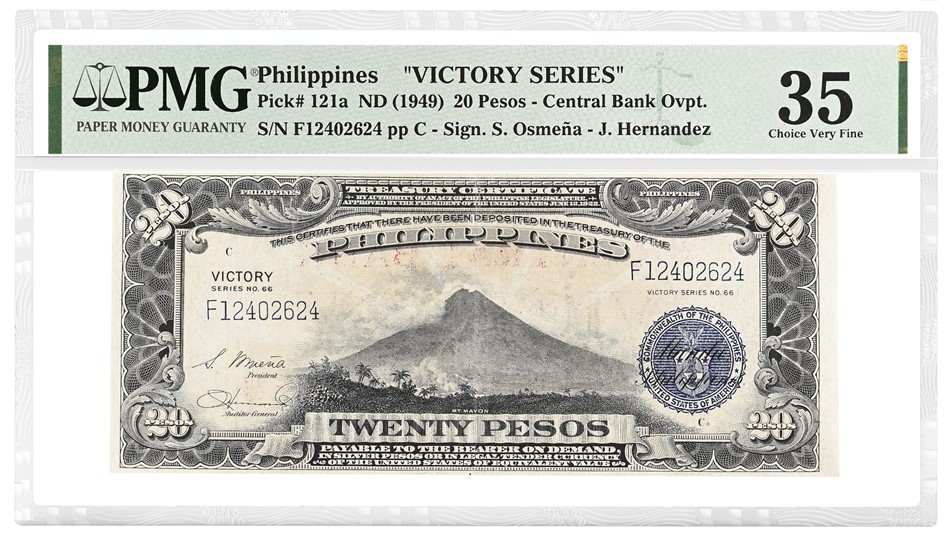
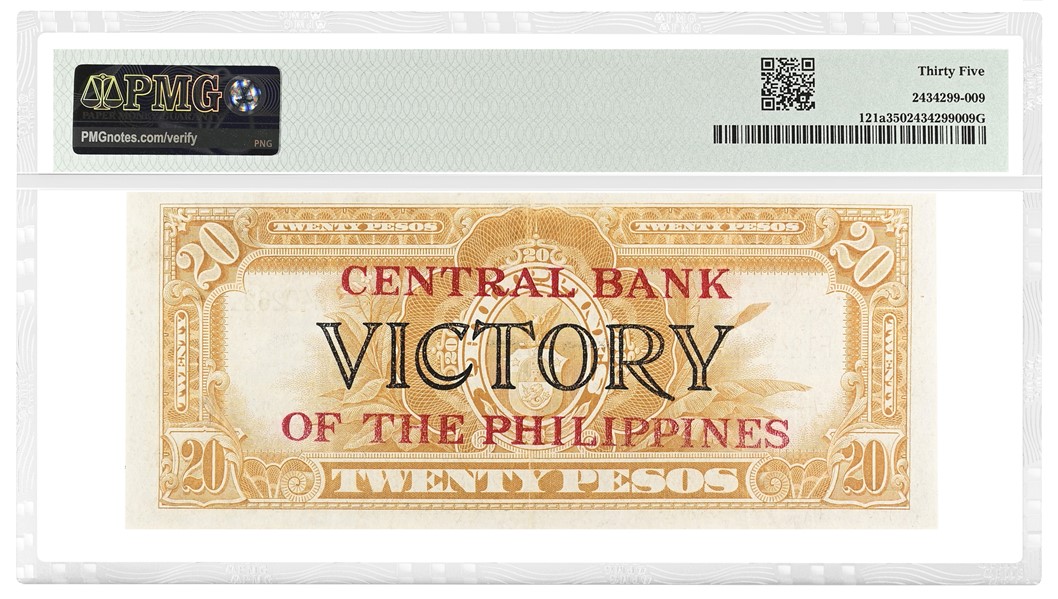
Mayon is an active stratovolcano in the province of Albay in Bicol, Philippines, and is not only well-known for its symmetrical "perfect cone" shape but is also considered sacred in Philippine mythology. This popular tourist destination was declared a national park in July 1938 (the first in the nation) before making its way to the country's paper money when it was featured on the Victory Series (1949) 20 Pesos banknote. In 2000, it was reclassified as a natural park and renamed the Mayon Volcano Natural Park.
 |
|
 |
|
| Click images to enlarge. | |
Momotombo (Nicaragua)
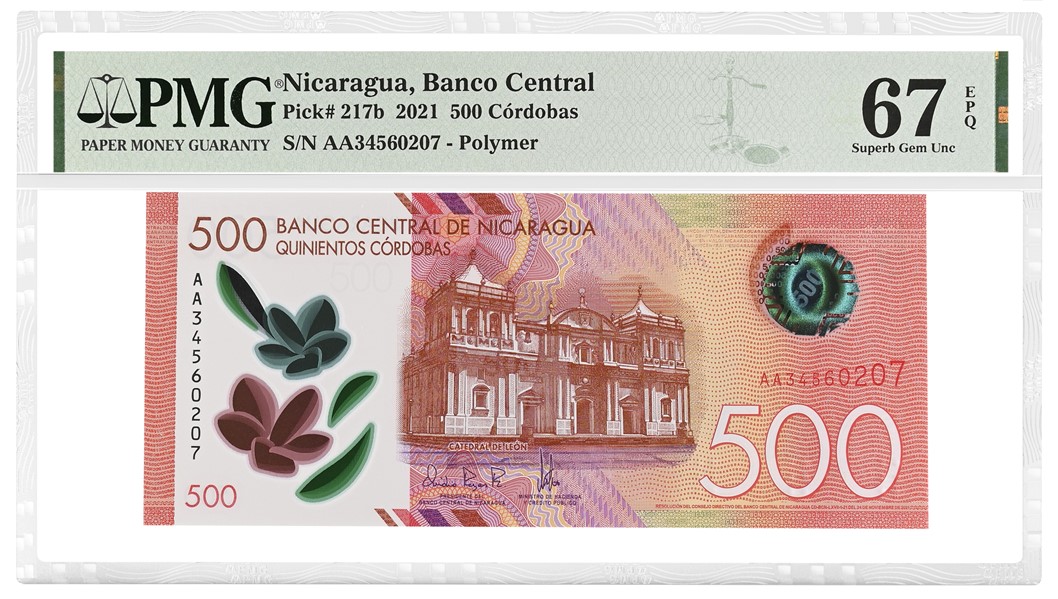
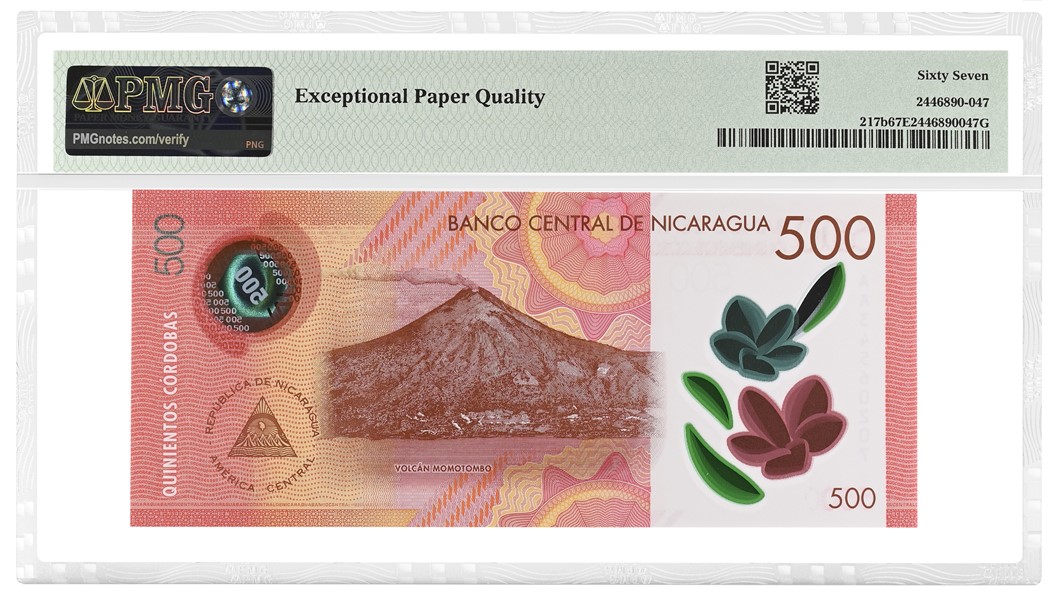
Nicaragua is home to the stratovolcano named Momotombo, which is located near the city of León on the shores of Lake Managua. In 1610, Momotombo's eruption forced the people of León to relocate about 30 miles west, with the remains of the original city preserved at León Viejo. Several other volcanic eruptions have occurred since, including in 1886, 1905 and most recently in November 2015 and February 2016. As a symbol of Nicaragua, images of Momotombo can be found on different products, murals and even the 500 Córdobas note from 2021.
 |
|
 |
|
| Click images to enlarge. | |
Mount Ararat (Armenia)
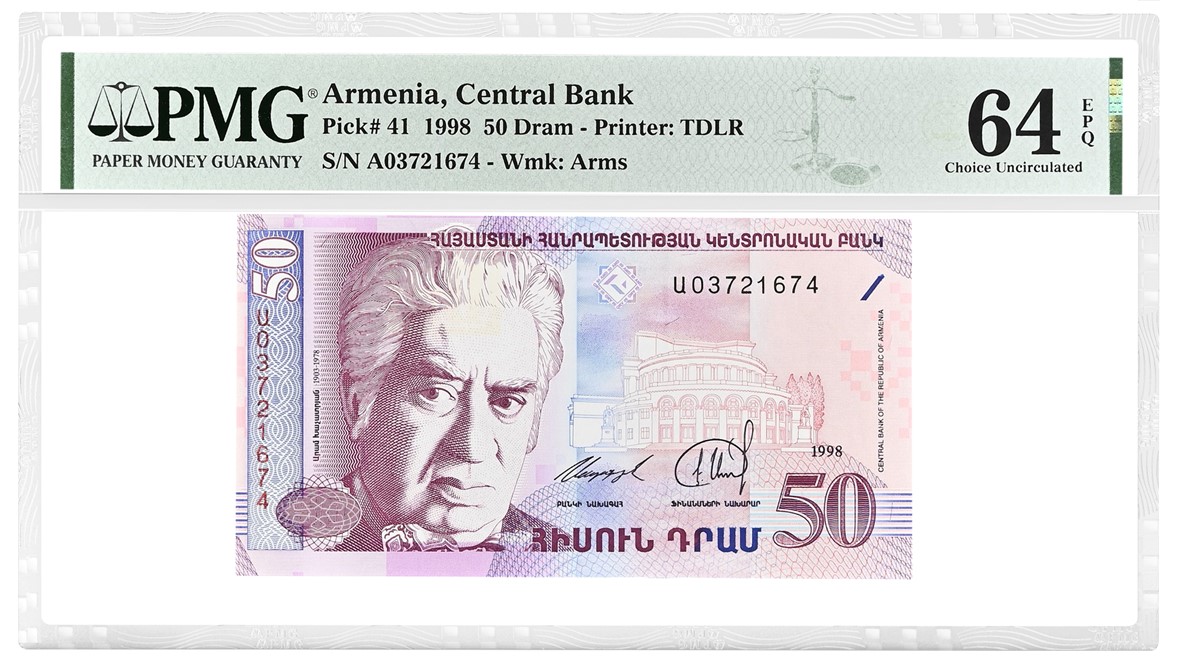
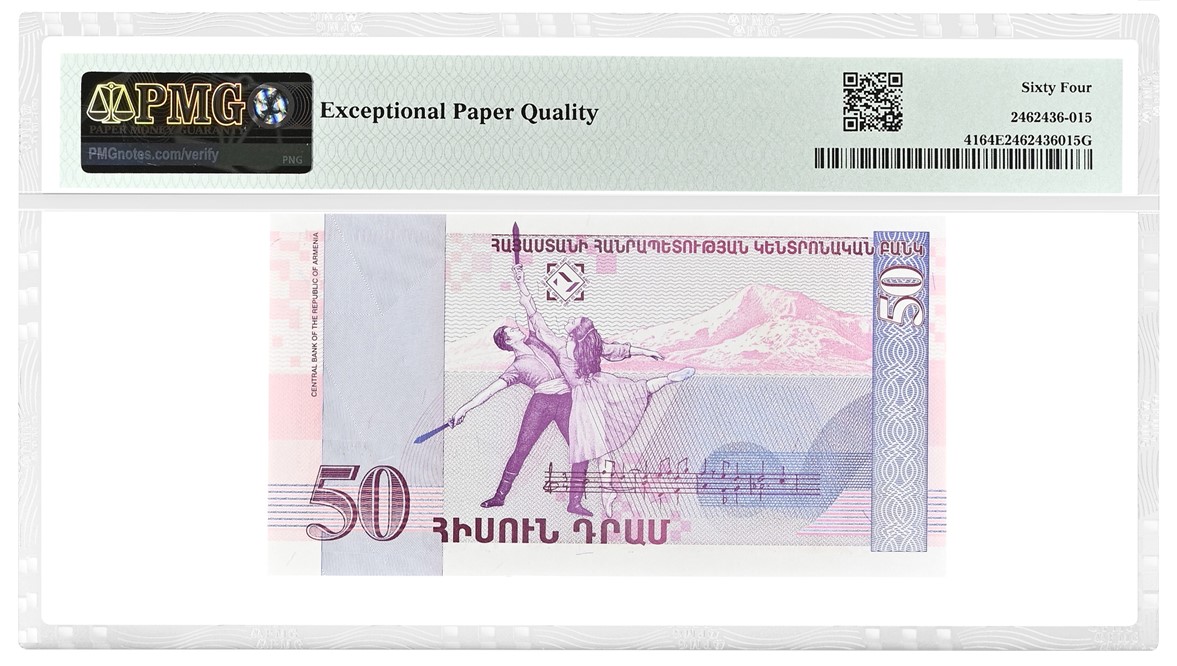
A dormant snow-capped compound volcano, Mount Ararat is located in what is considered eastern Turkey and the Armenian highlands. Since the Middle Ages, the mountain has been traditionally regarded by many as the resting place of Noah's Ark. Though it lies just outside of modern Armenia’s borders, the mountain remains a national symbol of Armenians, who considered it sacred. It is depicted on the coat of arms of Armenia, along with Noah's Ark, and was also featured in the background of the Armenia 1998 50 Dram note.
 |
|
 |
|
| Click images to enlarge. | |
Mount Karthala (Comoros)
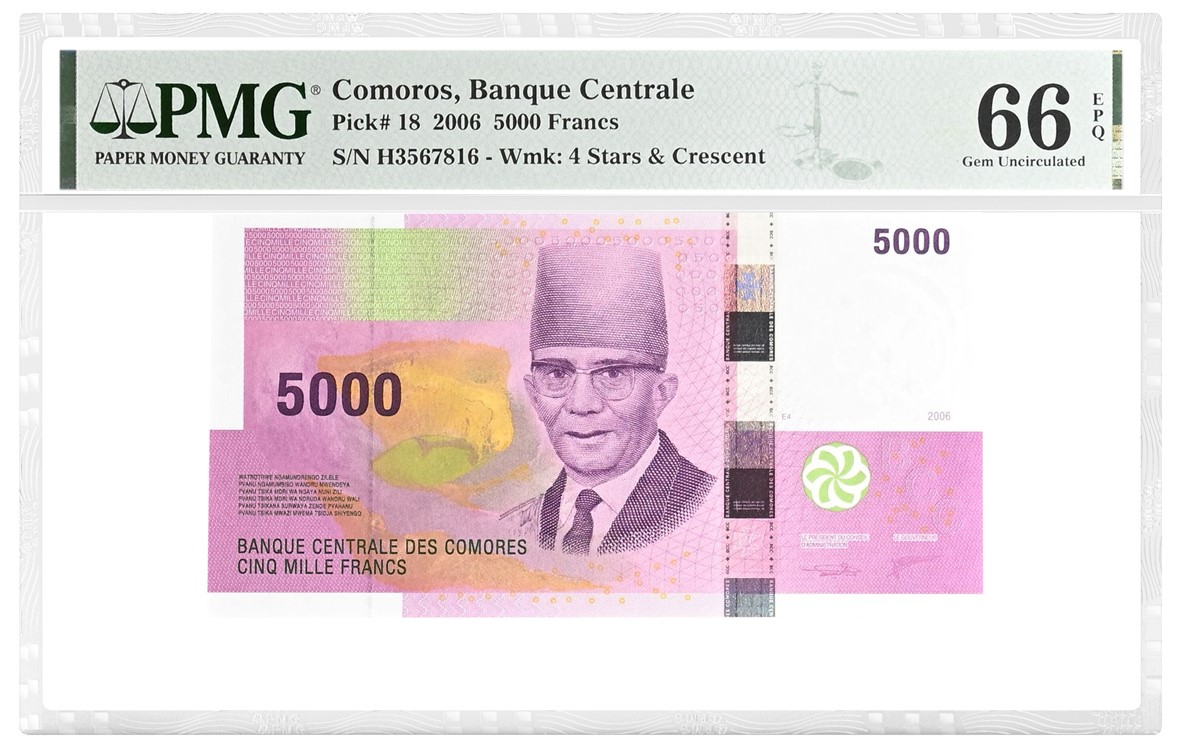
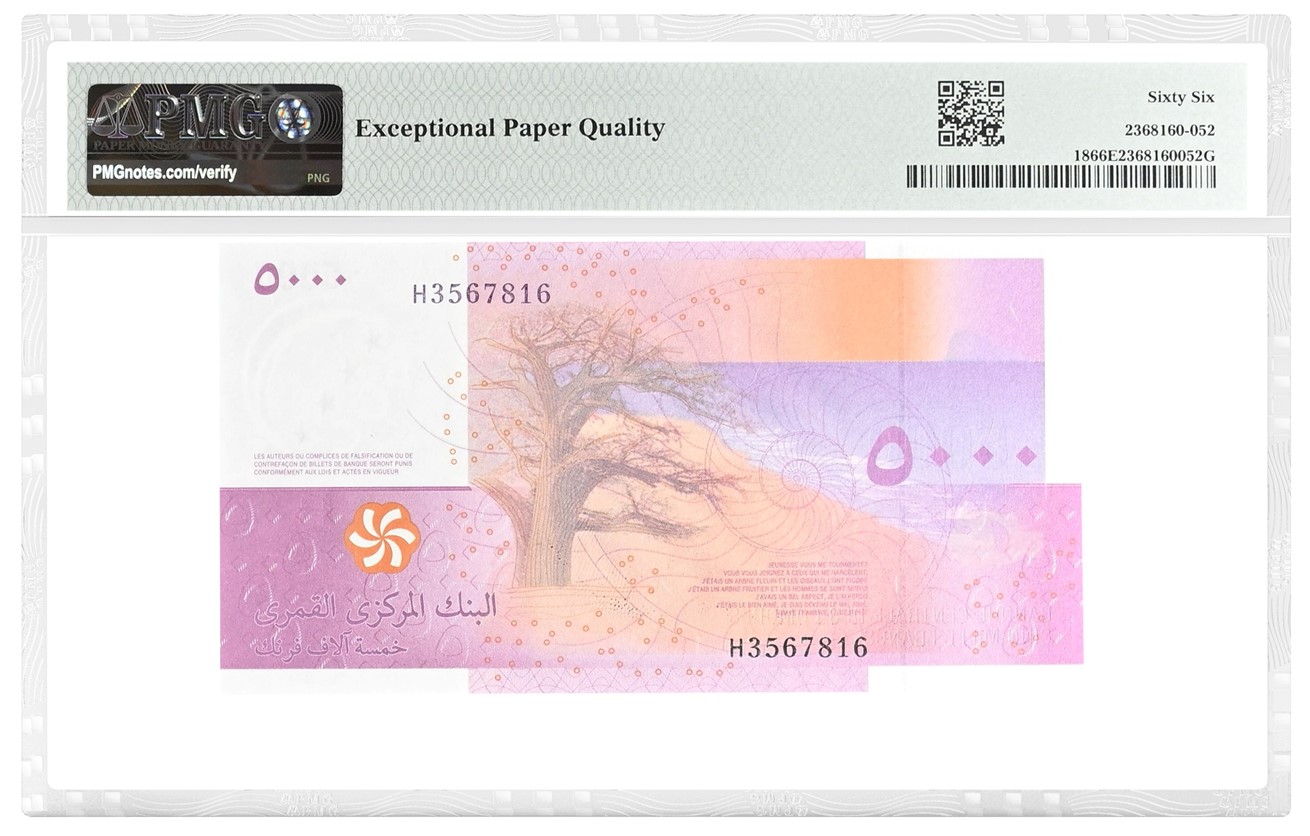
Mount Karthala is an active volcano that is the larger of the two shield volcanoes that form Grande Comore island, which is the largest island in Comoros. Karthala has erupted more than 20 times since the 19th century, with the frequent eruptions helping shape the volcano's large summit caldera, yet the island has mostly avoided widespread destruction during these eruptions. Most recently, eruptions occurred in April 2005 and again in May 2006, with residents of Moroni reporting that they could see lava spewing from the top of the volcano, with the volcanic activity subsiding a few days later. That same year, a rendering of Mount Karthala was included on the front of Comoros' 5,000 Francs note.
 |
|
 |
|
| Click images to enlarge. | |
Mount Nyiragongo (Democratic Republic of the Congo)
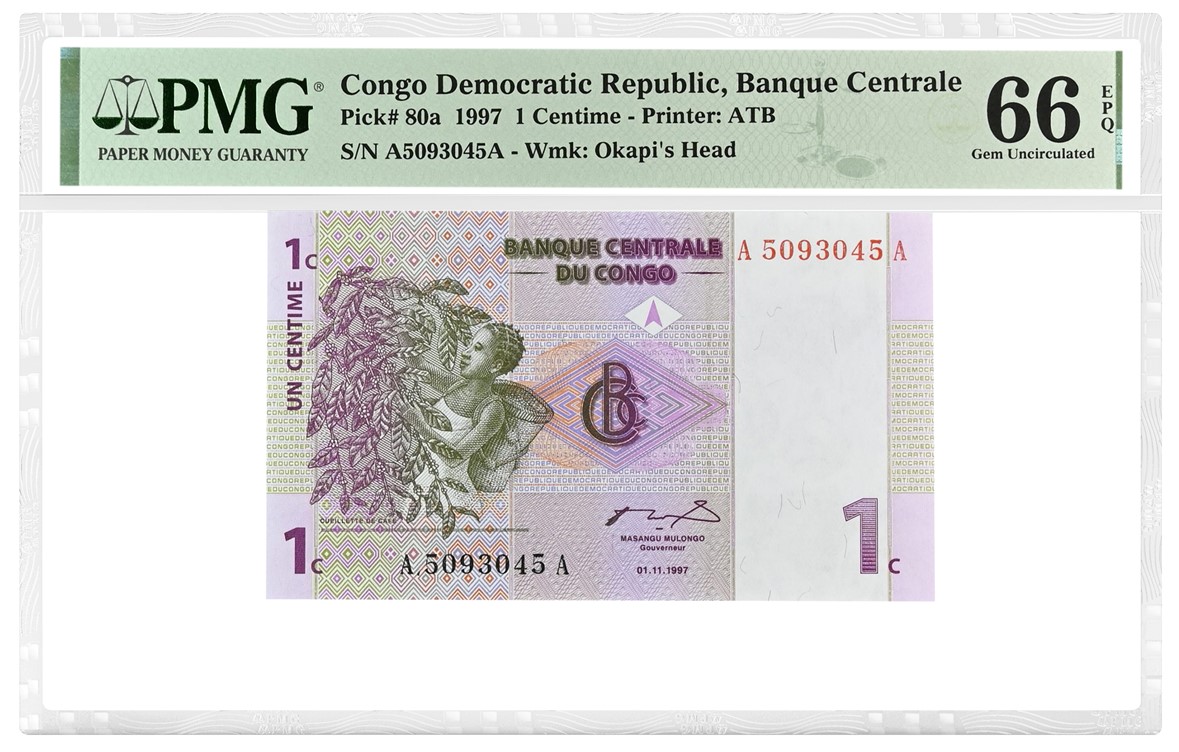
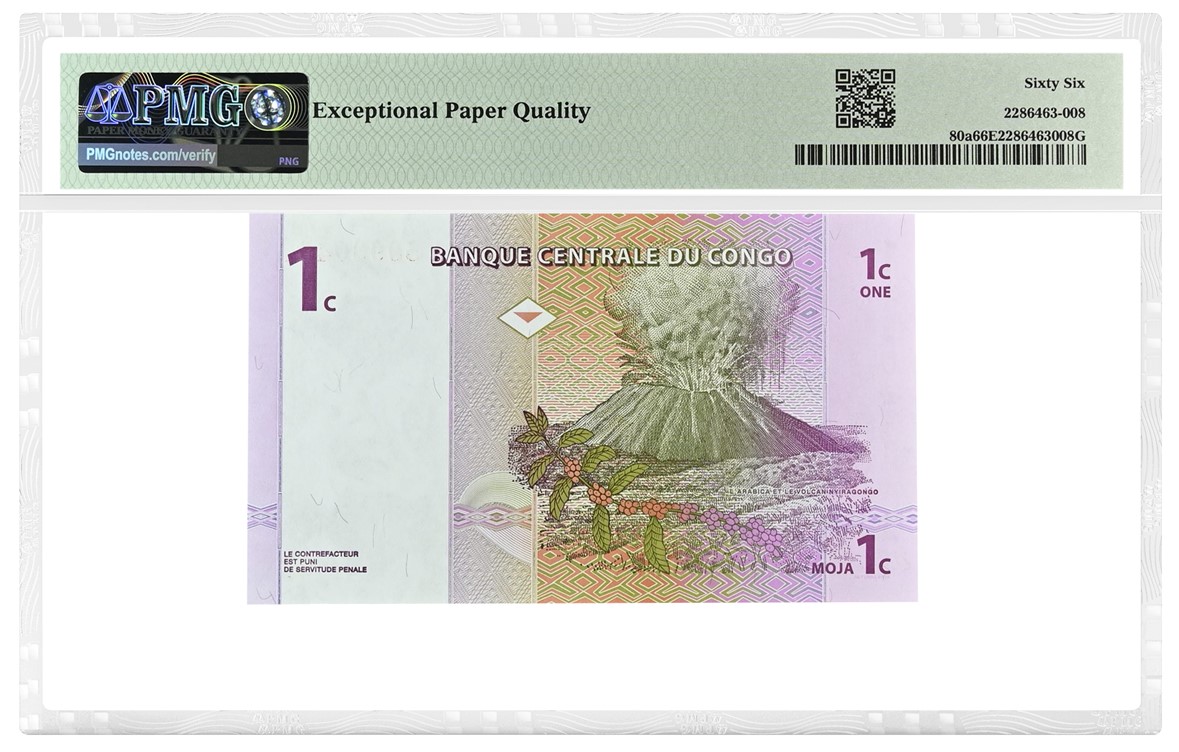
One of Africa's most active volcanoes, Mount Nyiragongo is part of the Virunga Mountains in the Democratic Republic of the Congo. Typically containing a lava lake, it partially overlaps with two older volcanoes (Baruta and Shaheru) and is surrounded by hundreds of smaller volcanic cinder cones that were created from flank eruptions. In total between Nyiragongo and nearby active shield volcano Nyamuragira, the Congolese volcanoes are together responsible for 40% of the volcanic eruptions in Africa's history. An image of Mount Nyiragongo erupting is featured on the back of the Congo Democratic Republic 1997 1 Centime note.
 |
|
 |
|
| Click images to enlarge. | |
Pico do Fogo (Cape Verde)
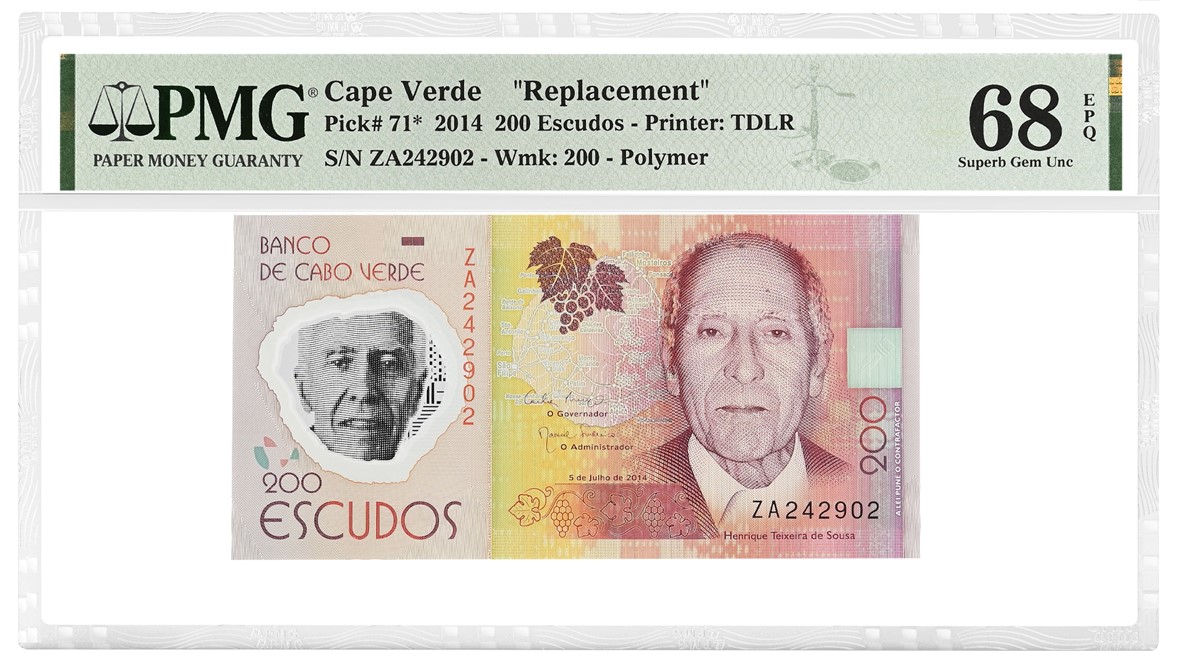
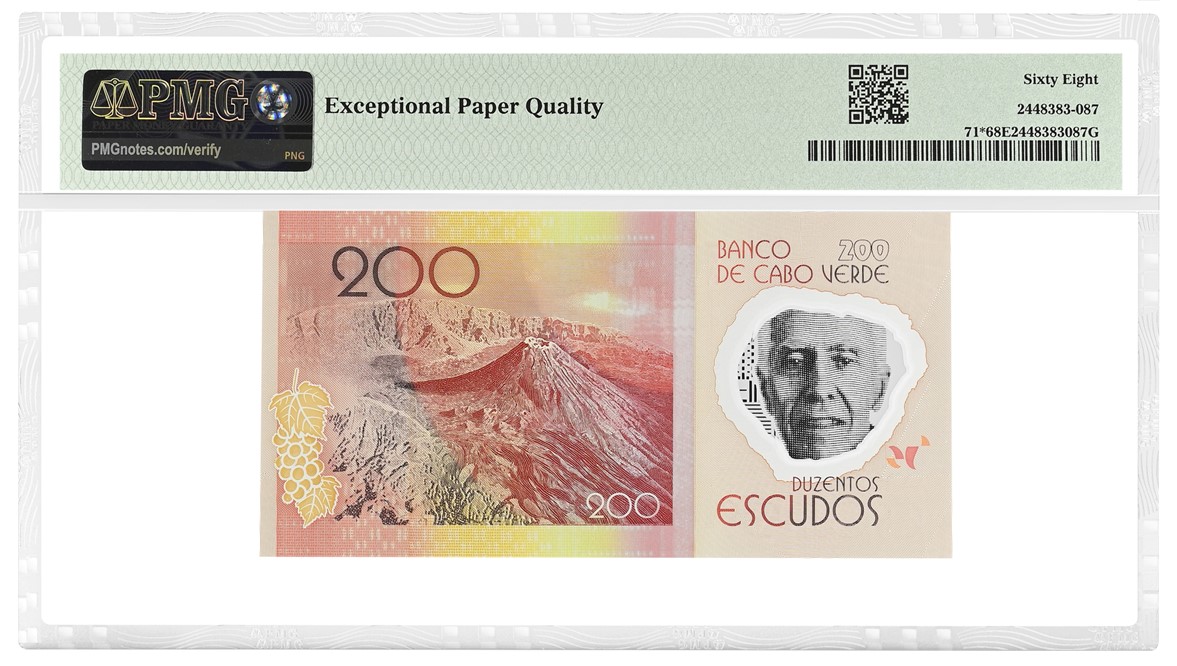
The main cone of Pico do Fogo in Cape Verde last erupted in 1680, producing large ash falls that covered the entire island. This rendered agricultural lands temporarily unusable and influenced numerous island natives to move to the neighboring island of Brava. Meanwhile, the only deadly eruption occurred in 1847, creating earthquakes that killed several people. The youngest and most active volcano in the Cape Verde Islands most recently erupted in 1951, 1995 and 2014, with the country commemorating the volcano on their 2014 200 Escudos banknote.
 |
|
 |
|
| Click images to enlarge. | |
Volcan Arenal, Irazú, Poás and Rincón de la Vieja (Costa Rica)
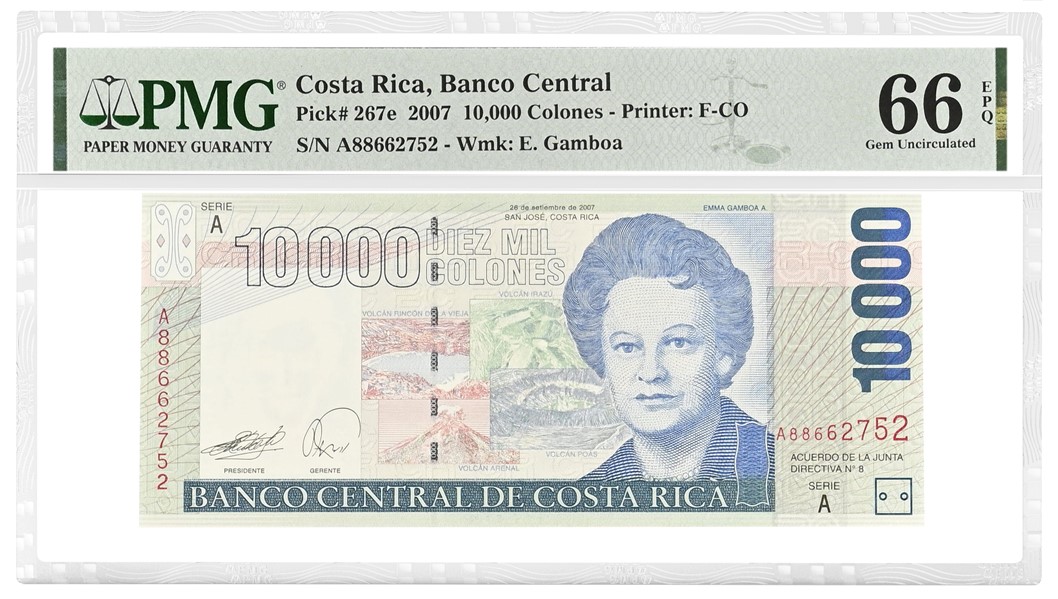
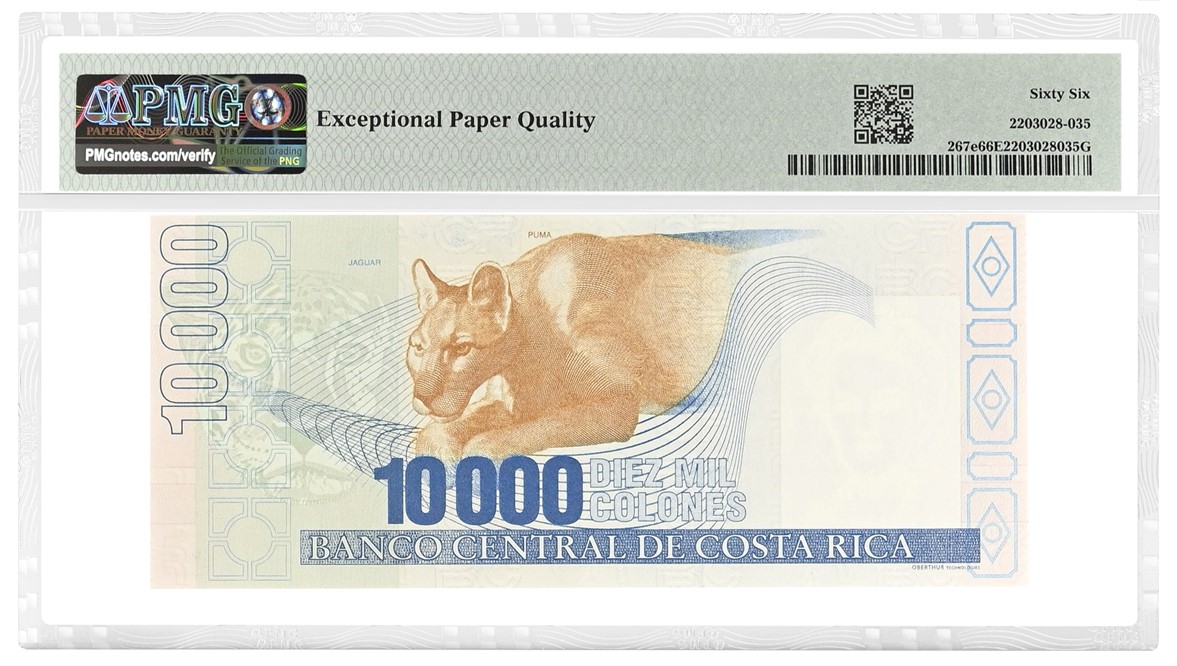
Costa Rica chose to pay homage to not one but four of its volcanoes when it included small images of Volcan Arenal, Irazú, Poás and Rincón de la Vieja on the country's 2007 10,000 Colones banknote. The volcanoes make up four of the six historic active Costa Rican volcanoes, with only Rincón de la Vieja and Poás among the three considered active today.
Arenal was dormant for centuries before unexpectedly erupting in 1968, destroying the small town of Tabacón. Irazú has erupted frequently since its first historically recorded eruption in 1723, with its most famous eruption being in March 1963, a few days before US President John F. Kennedy began his state visit to Costa Rica. Poás has erupted 40 times since 1828, with a strong eruption occurring in April 2017 that forced visitors and residents to evacuate. Rincón de la Vieja erupted most recently in June 2021.
 |
|
 |
|
| Click images to enlarge. | |
If you're interested in more inspiring banknotes, check out our other Collection Inspiration columns for more collecting ideas, including ones centered on mountains and natural World Heritage Sites. Also, be sure to follow PMG on Facebook, on Instagram and on Twitter for other articles and interesting notes posted daily.
There is never any charge to contact us. To reach a customer service representative, call, text or WhatsApp (+1) 855-472-3310 or use this form.