Collection Inspiration: Mythical Creatures
Posted on 10/20/2026
Mythical creatures have captured our imagination for centuries. Found in folklore, ancient texts, and cultural traditions around the world, these fantastical beasts reflect humanity’s fascination with the mysterious and supernatural. Myths and Legends Day, celebrated on October 11, offers an opportunity to explore the stories and creatures that have endured across generations.
From creepy cryptids to enchanting figures of legend, this month’s list highlights banknotes featuring mythic creatures from around the world.
Ten banknotes featuring Mythical Creatures
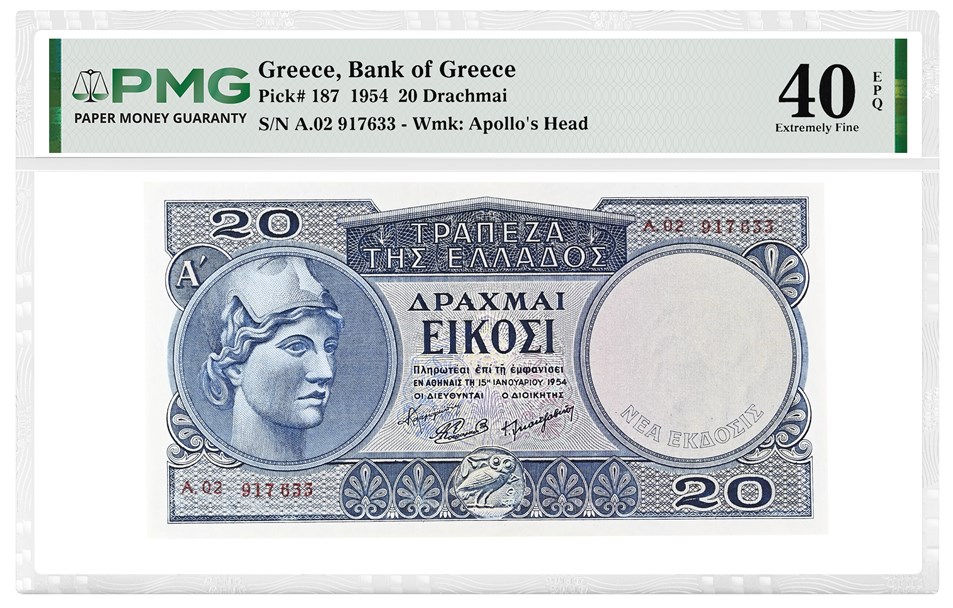
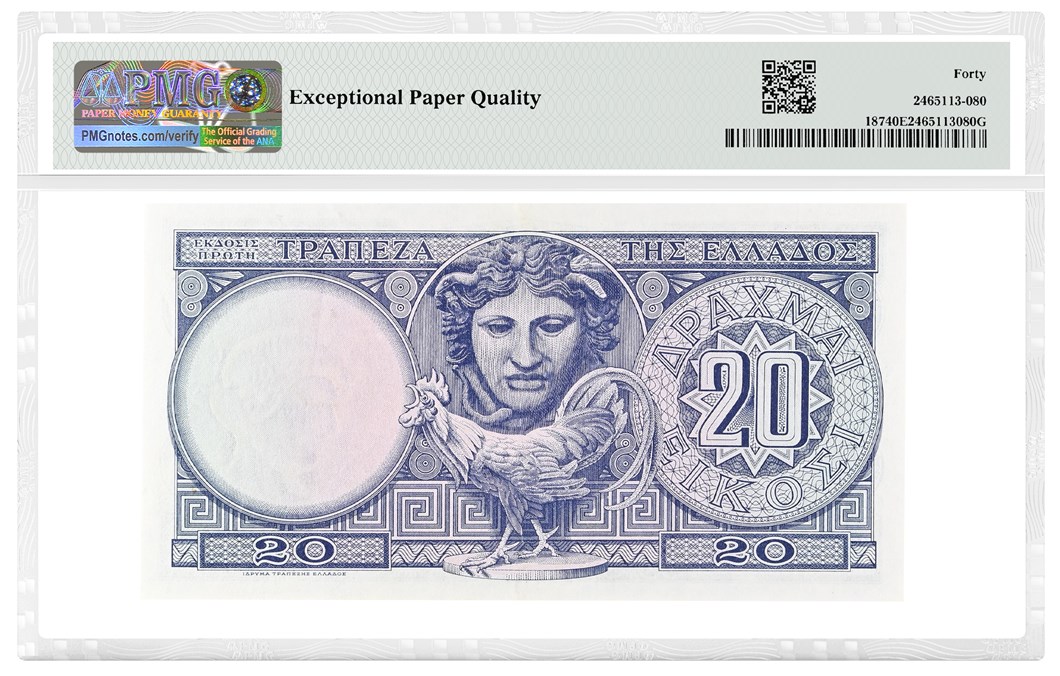
Greece 1954 20 Drachmai – Medusa
 |
|
 |
|
| Click images to enlarge. | |
In Greek mythology, Medusa is one of the three Gorgons, monstrous sisters whose appearance could turn anyone who looked directly at them to stone. Unlike her immortal sisters, Medusa was mortal, making her vulnerable to the hero Perseus, who defeated her by using a polished shield to avoid her deadly gaze. In later versions of the myth, Medusa was once a beautiful woman who was transformed into a monster by the goddess Athena. Medusa is shown on the back of this note.
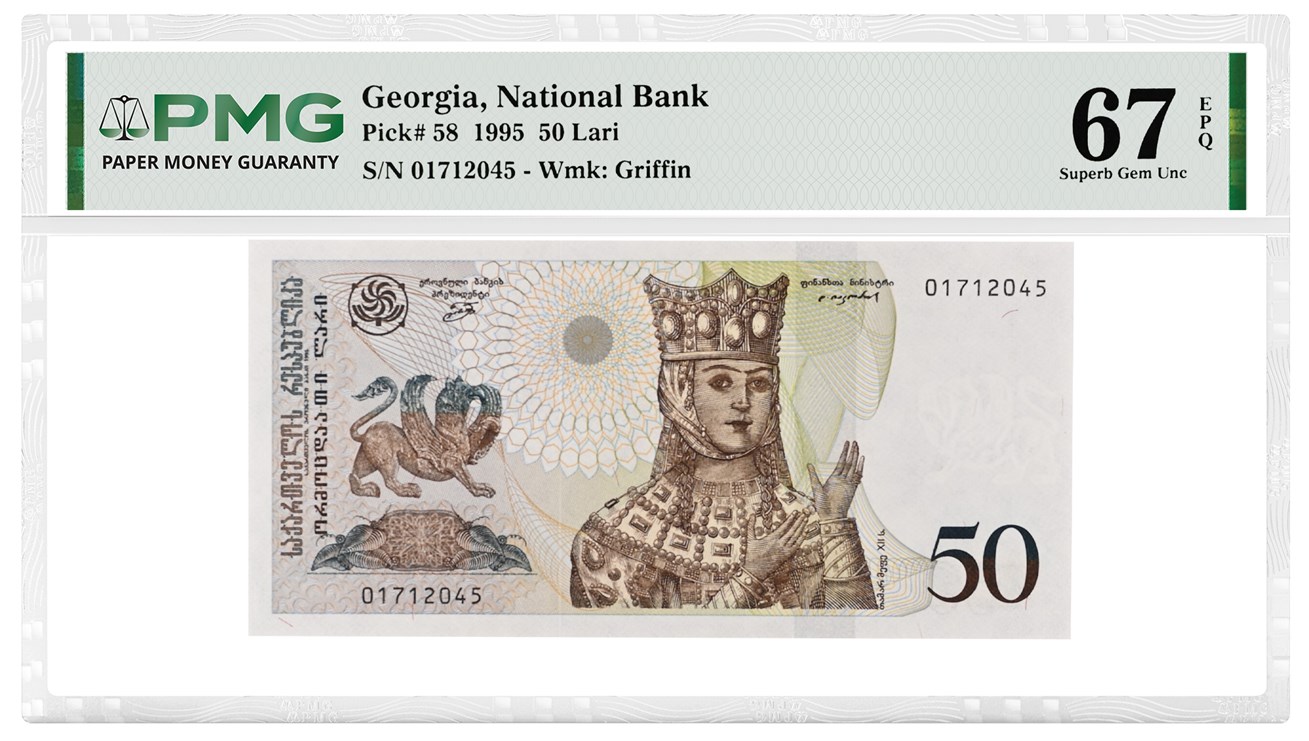
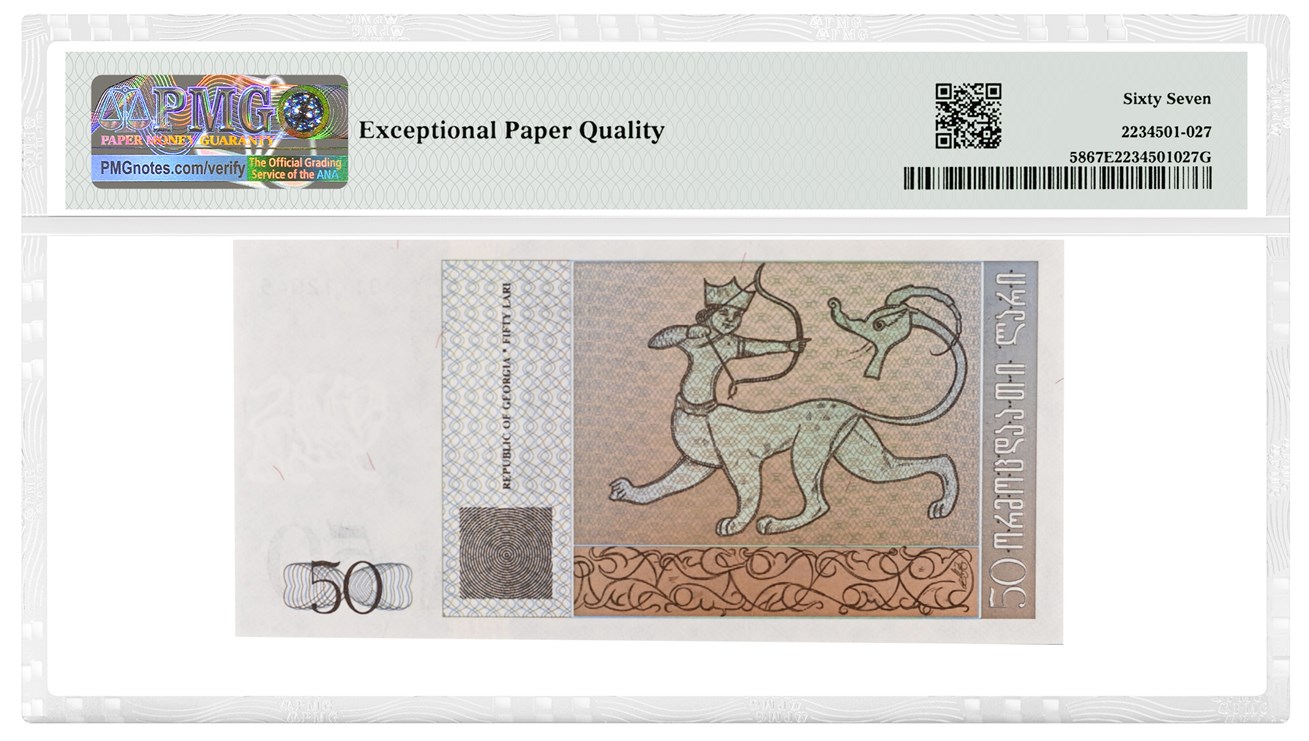
Georgia 1995 50 Lari – Griffin and Sagittarius
 |
|
 |
|
| Click images to enlarge. | |
The griffin is a legendary creature with the body of a lion and the head and wings of an eagle. Griffins frequently appear in ancient art and medieval heraldry. Sagittarius, meanwhile, is a zodiac constellation traditionally depicted as a centaur archer drawing a bow. In Greek mythology, the constellation is often associated with Chiron, a wise and skilled centaur known for his knowledge of medicine and the arts. Together, these figures appear on opposite sides of this note, representing the enduring influence of mythological creatures.
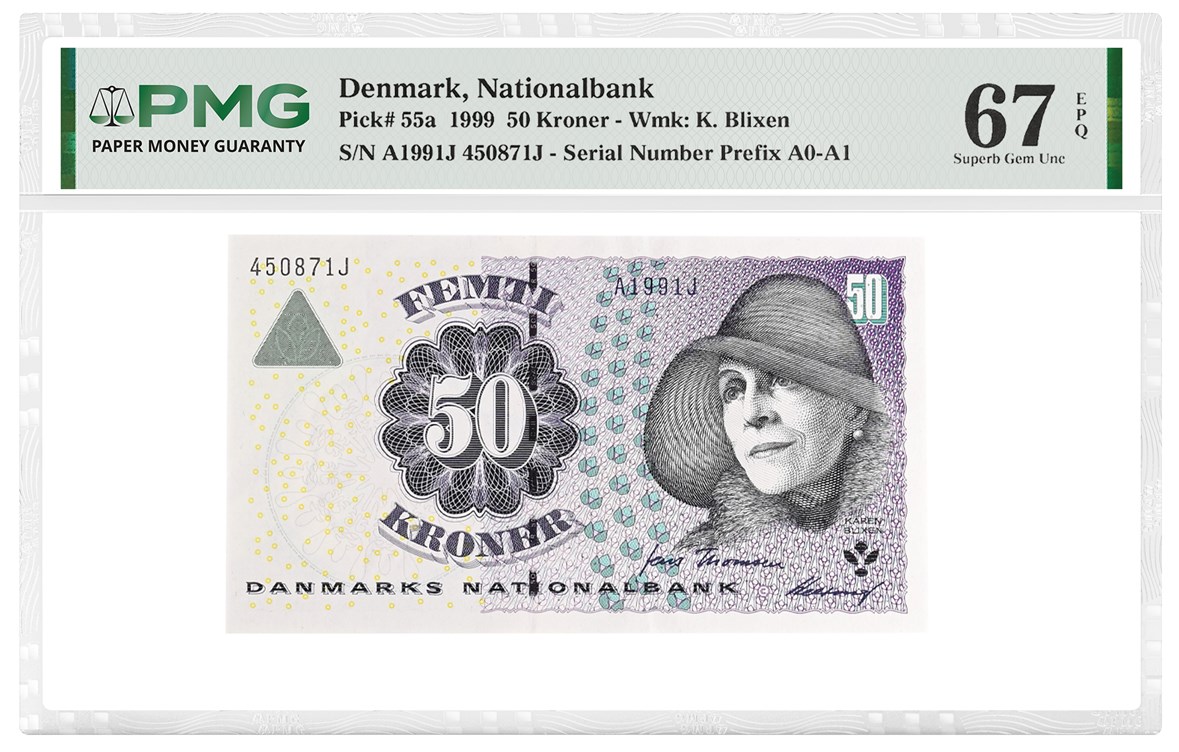
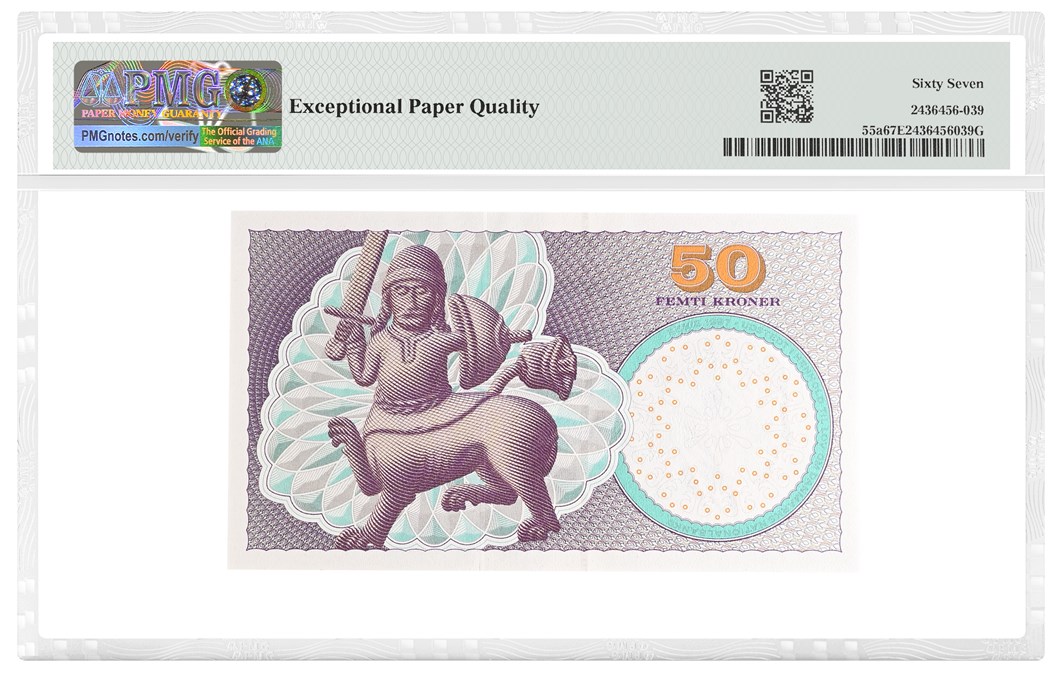
Denmark 1999 50 Kroner – Centaur
 |
|
 |
|
| Click images to enlarge. | |
In Greek mythology, centaurs are creatures with the upper body of a human and the body and legs of a horse. Often portrayed as wild, unruly beings who lived beyond the boundaries of civilization, centaurs represented the struggle between human reason and animal instinct. However, not all centaurs shared this reputation. Chiron, one of the most famous figures in Greek mythology, was renowned for his wisdom, compassion, and exceptional skills as a teacher. He instructed legendary heroes, including Achilles and Jason, demonstrating that centaurs could embody knowledge and virtue as well as untamed nature. The centaur figure on the back of this note is from a medieval Danish church.
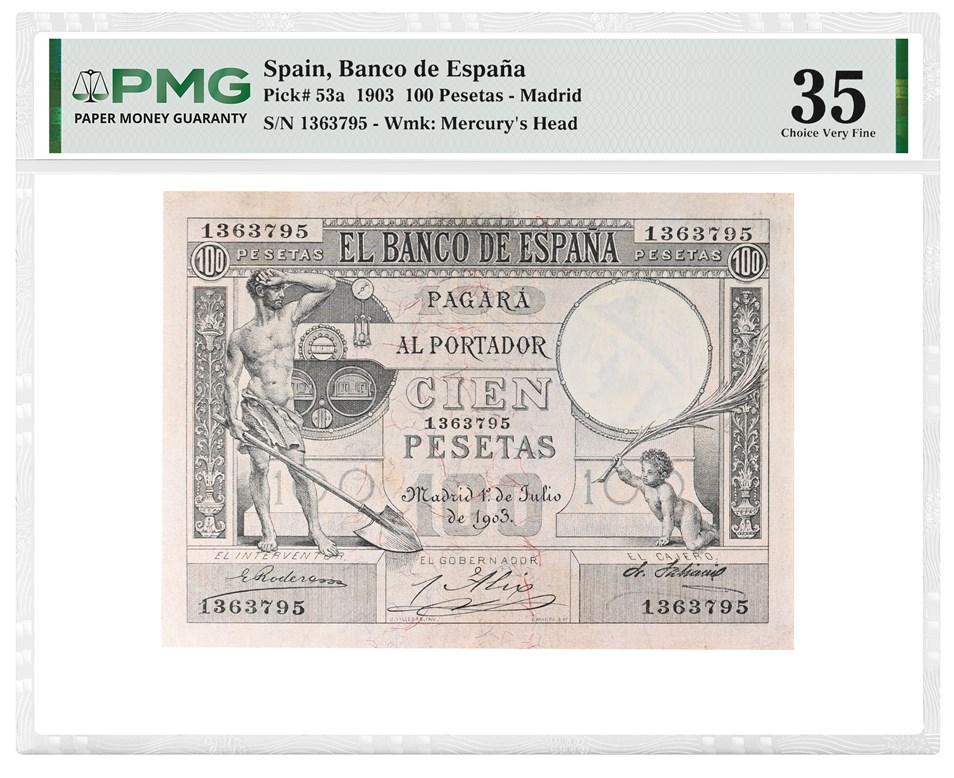
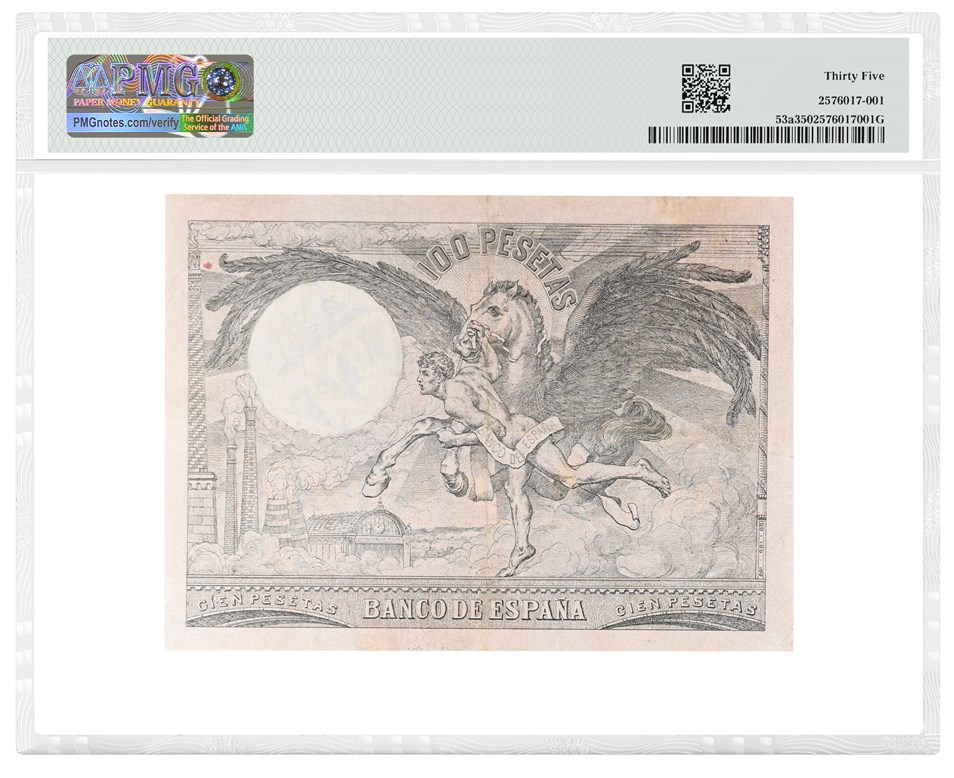
Spain 1903 100 Pesetas – Pegasus
 |
|
 |
|
| Click images to enlarge. | |
Pegasus is the legendary winged horse of Greek mythology, who sprang from the blood of Medusa when the hero Perseus killed her. He later became associated with the hero Bellerophon, who rode the magnificent creature into battle against the fearsome Chimera. Pegasus was eventually welcomed among the stars, where he became the constellation that bears his name.
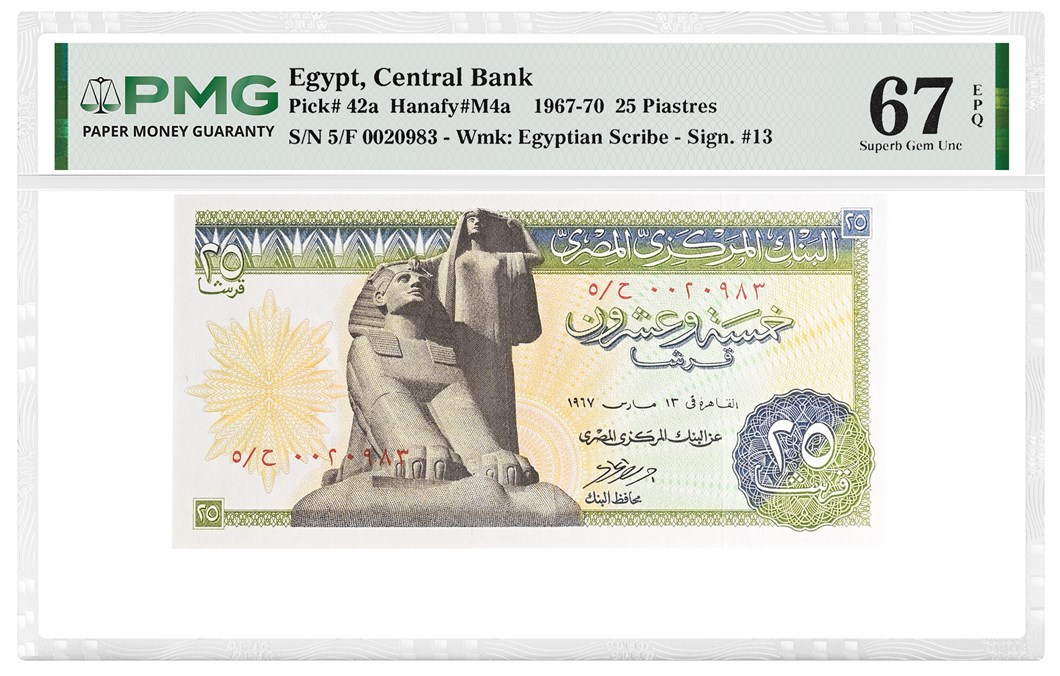
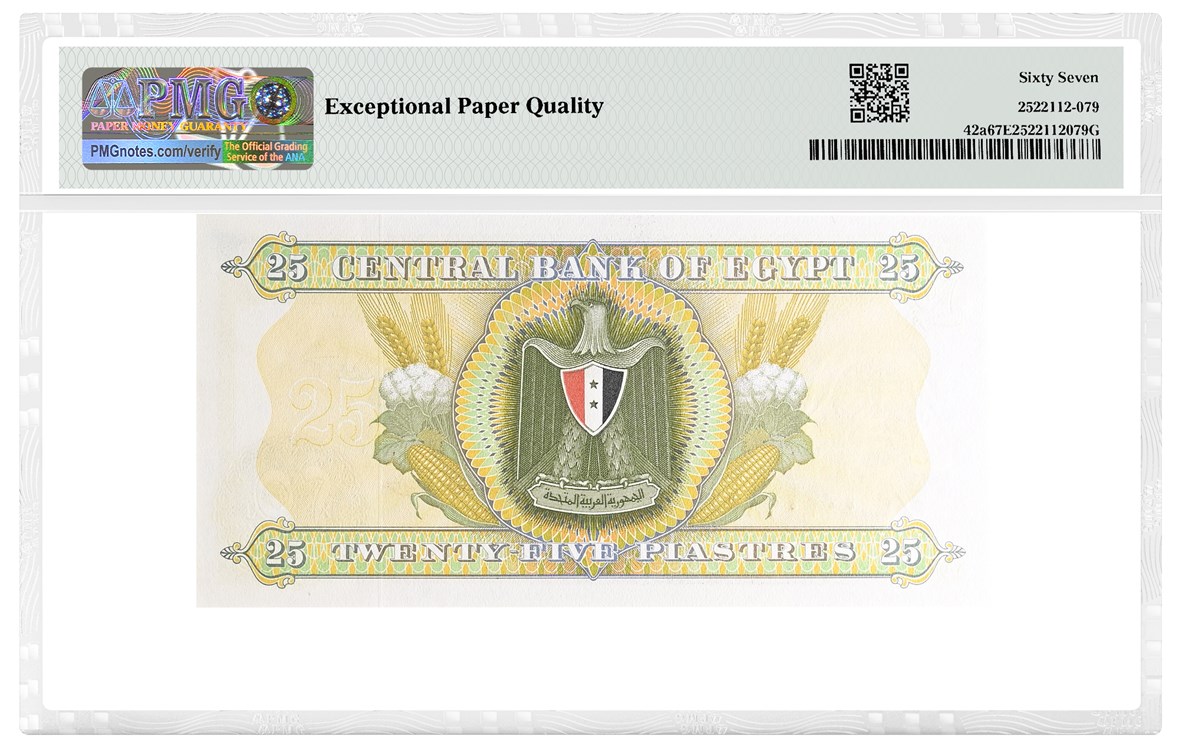
Egypt 1967-70 25 Piastres – Sphinx
 |
|
 |
|
| Click images to enlarge. | |
Ancient Egyptian mythology features a remarkable collection of supernatural beings, many depicted with combinations of human and animal characteristics. The sphinx, typically represented as a lion with a human head, symbolized strength and royal authority, standing watch over sacred spaces and monumental tombs. These extraordinary figures reflected the ancient Egyptians' understanding of the relationship between humanity, nature, and the divine.
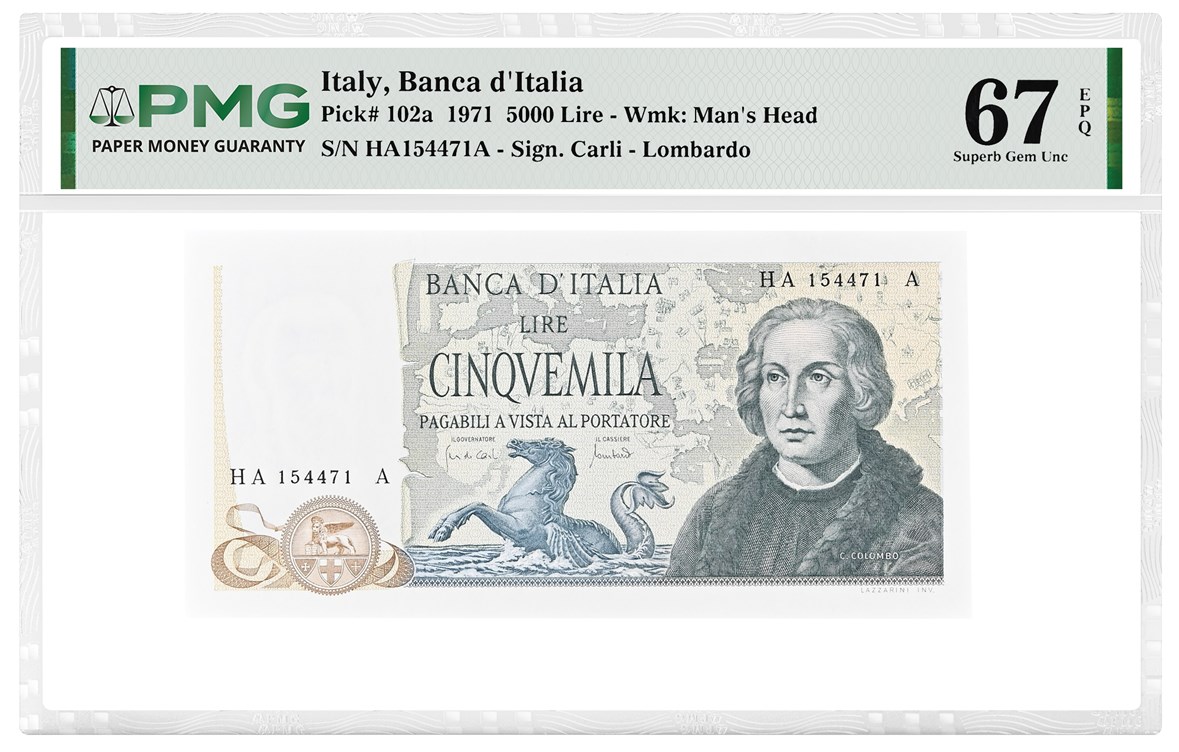
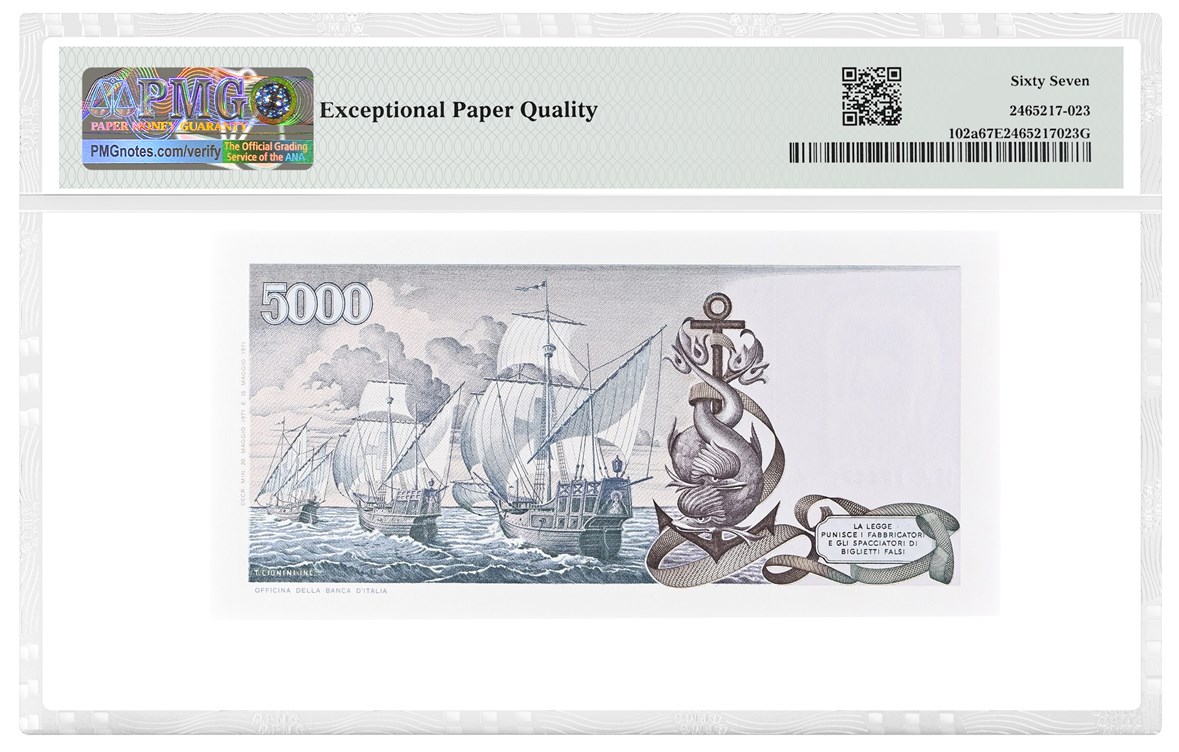
Italy 1971 5,000 Lire – Hippocamp
 |
|
 |
|
| Click images to enlarge. | |
Depicted on the front of this Italian note, the hippocamp is a fantastical sea creature from Greek and Roman mythology, traditionally depicted with the head and front legs of a horse and the tail of a fish. Its name derives from Greek words associated with horses and sea monsters, reflecting its unusual combination of land and marine characteristics. Hippocamps were closely associated with Poseidon, the Greek god of the sea, and his Roman counterpart, Neptune, sometimes appearing as the creatures that pulled their divine chariots across the waves.
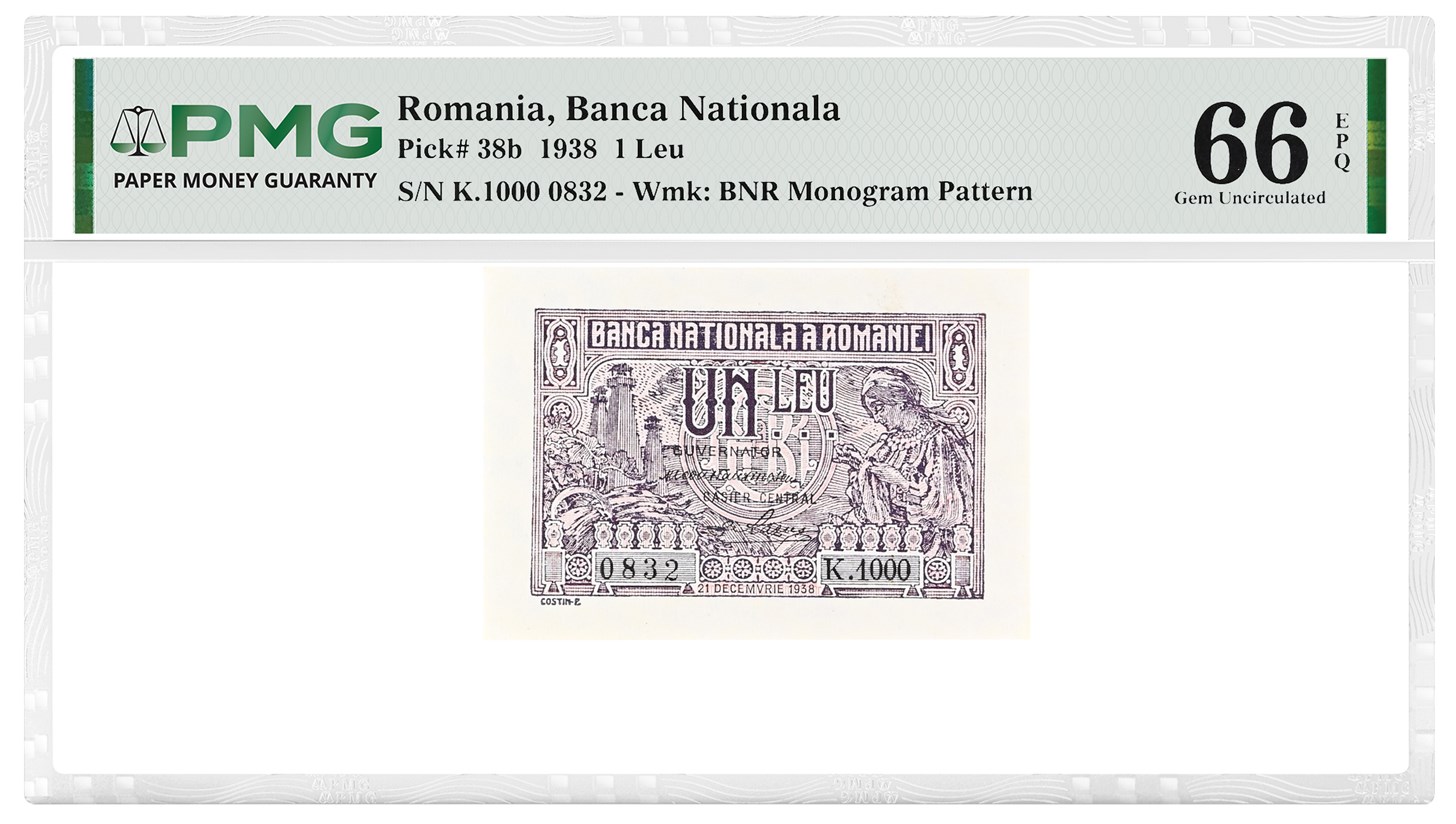
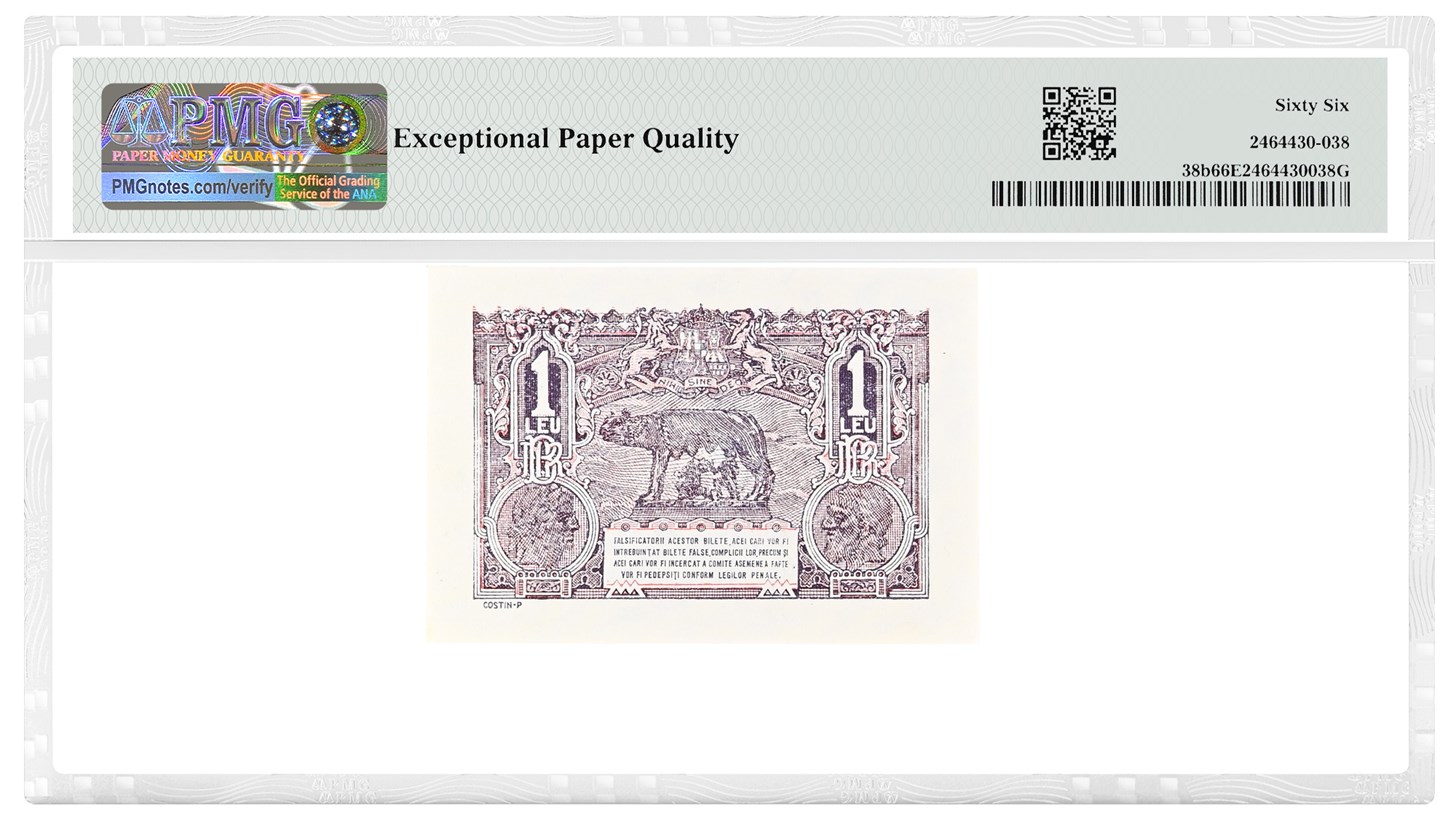
Romania 1938 1 Leu – She-Wolf
 |
|
 |
|
| Click images to enlarge. | |
One of the most enduring legends of ancient Rome tells of Romulus and Remus, twin brothers who were abandoned as infants and left to die along the Tiber River. According to tradition, a she-wolf discovered the babies and nursed them, protecting them until they were found and raised by a shepherd. As adults, the brothers sought to establish a city of their own, but a dispute eventually led Romulus to kill Remus and become the founder of Rome. Known as the Lupa Capitolina, the image of the wolf with the twins (seen on the back of this note) remains one of the most recognizable symbols associated with ancient Rome.
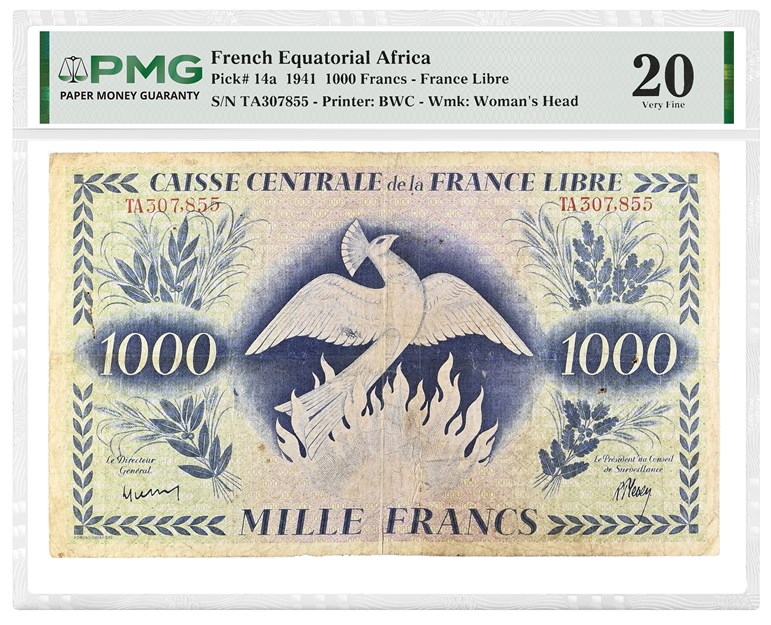
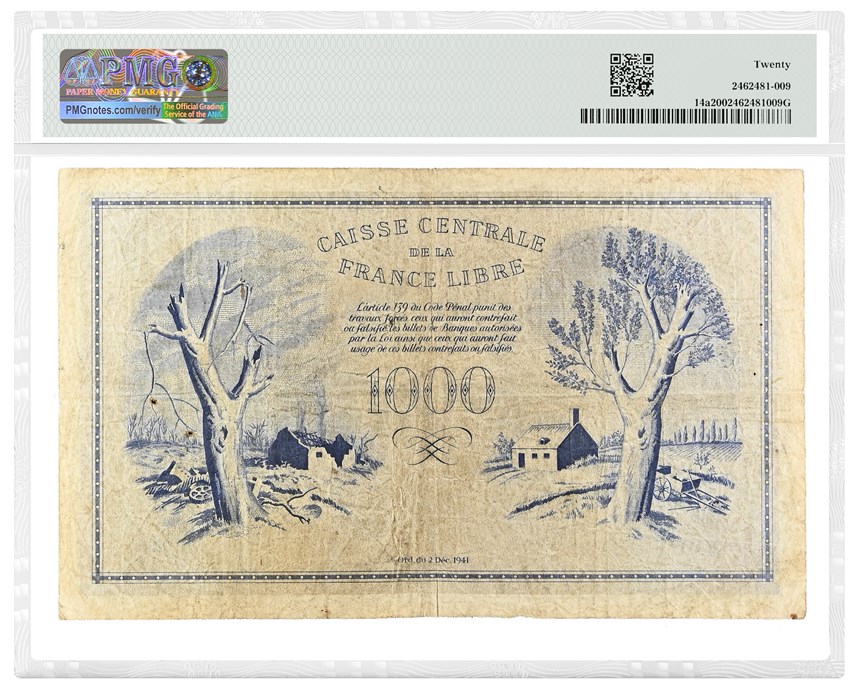
French Equatorial Africa 1941 1,000 Francs – Phoenix
 |
|
 |
|
| Click images to enlarge. | |
The phoenix is a legendary bird associated with fire and rebirth. In the best-known version of the myth, the magnificent bird lives for centuries before bursting into flames and rising anew from its ashes, beginning another cycle of existence. Over time, phoenix traditions spread across cultures, taking on different meanings while retaining their central themes of transformation and renewal. The bird's extraordinary life cycle has made it a universal symbol of hope and the ability to rise again after destruction.
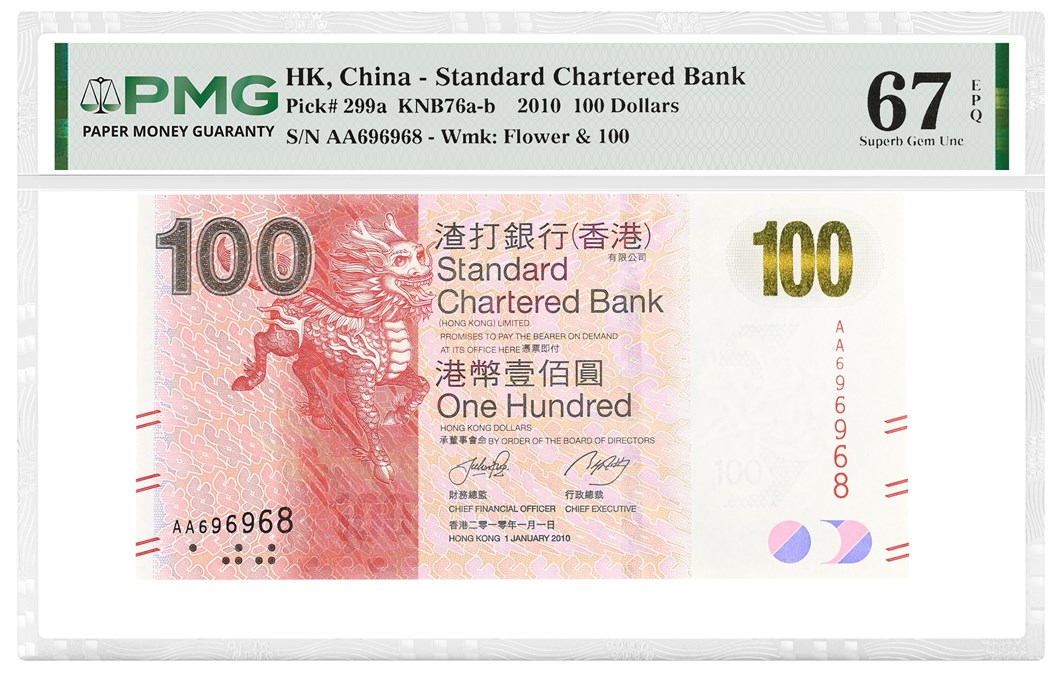
Hong Kong 2010 100 Dollars – Longma
 |
|
 |
|
| Click images to enlarge. | |
The longma is a mythical creature from Chinese tradition whose name translates roughly as "dragon horse." It is commonly depicted as a powerful horse-like being bearing the features or scales of a dragon, combining the horse's strength and speed with the dragon's supernatural power. In Chinese mythology, the appearance of a longma was considered an auspicious sign associated with wisdom, prosperity, and heavenly authority. Like dragons and other auspicious beings in Chinese culture, the longma represents harmony between the natural and supernatural worlds.
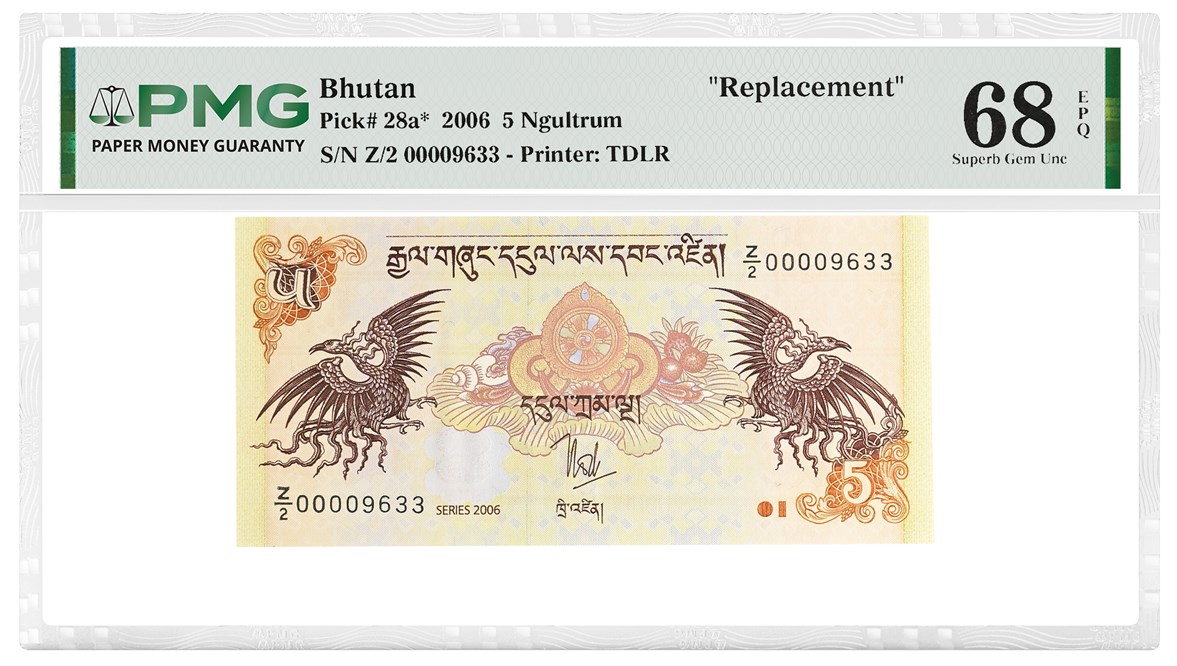
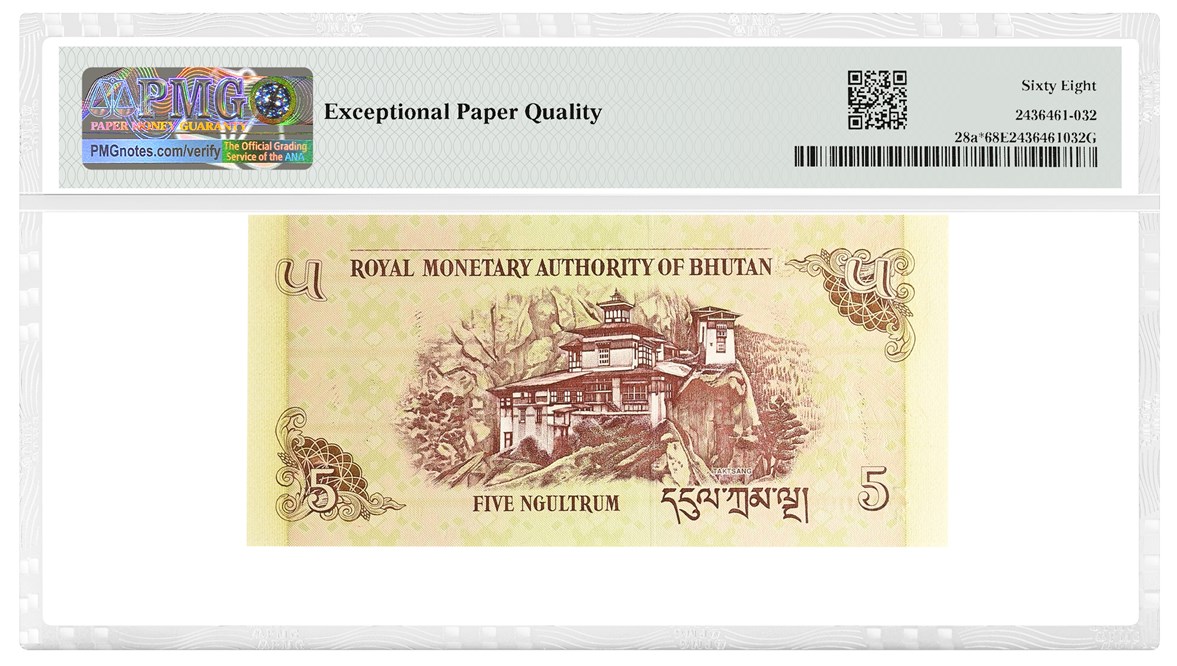
Bhutan 2006 5 Ngultrum – Bja Tshering
 |
|
 |
|
| Click images to enlarge. | |
Bja Tshering is a mythical bird associated with longevity in Bhutanese tradition. Mythical birds hold an important place in the cultural traditions of the Himalayan region, where they often symbolize spiritual power, protection, and the connection between the earthly and heavenly realms. Bja Tshering represents the hope for a long and fulfilling life, making it a fitting subject for cultural imagery that celebrates prosperity and good fortune.
If these notes inspired you, check out our other Collection Inspiration columns for more collecting ideas, including goddesses, Roman ruins, and museums. Also, be sure to follow PMG on Facebook, Instagram, and Twitter for articles and interesting notes posted daily.
Stay Informed
Want news like this delivered to your inbox once a month? Subscribe to the free PMG eNewsletter today!
There is never any charge to contact us. To reach a customer service representative, call, text or WhatsApp (+1) 855-472-3310 or use this form.