PMG Collection Inspiration: 'Brainy' Notes
Posted on 9/22/2026
The Nobel Prize is an annual award given in six fields to those who made significant contributions to the benefit of mankind, whether it be through the development of science, contributions to peace, or contributions in literature or economics. Out of 3,000 nominations made annually, only six winners are chosen, making the Nobel Prize one of the most elusive and prestigious awards in the world. This year’s Nobel Prize winners will be announced in the next three weeks, so PMG is celebrating the occasion with a selection of "brainy" notes, which depict people and concepts that either won a Nobel Prize in the past, or furthered the development of mankind.
10 Banknotes Featuring "Brainy" People and Concepts
Albert Einstein
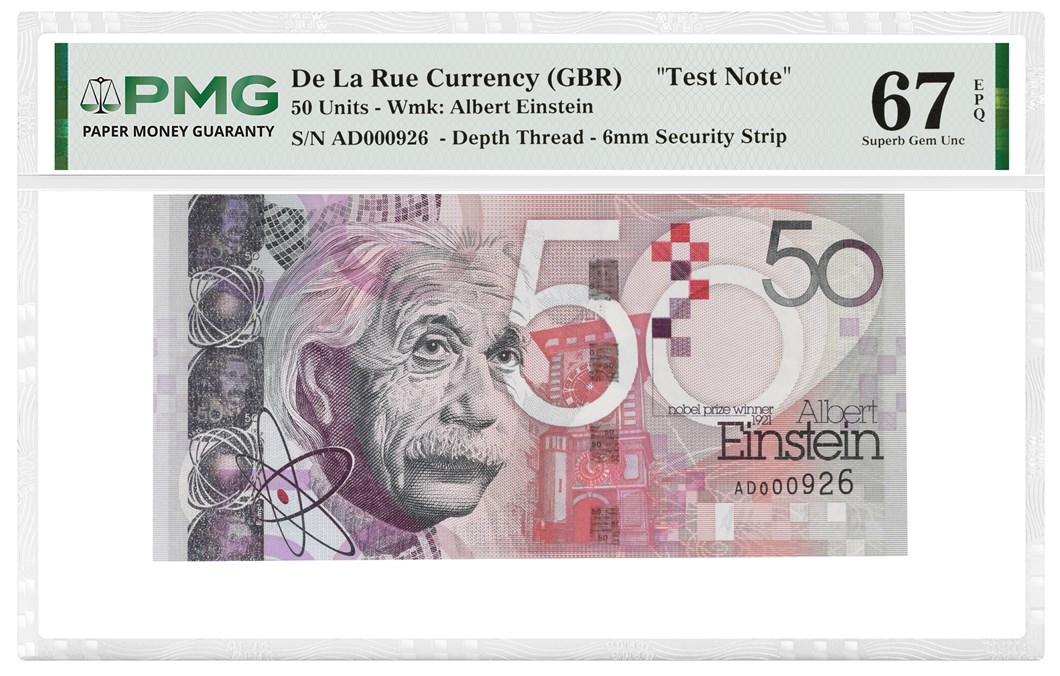
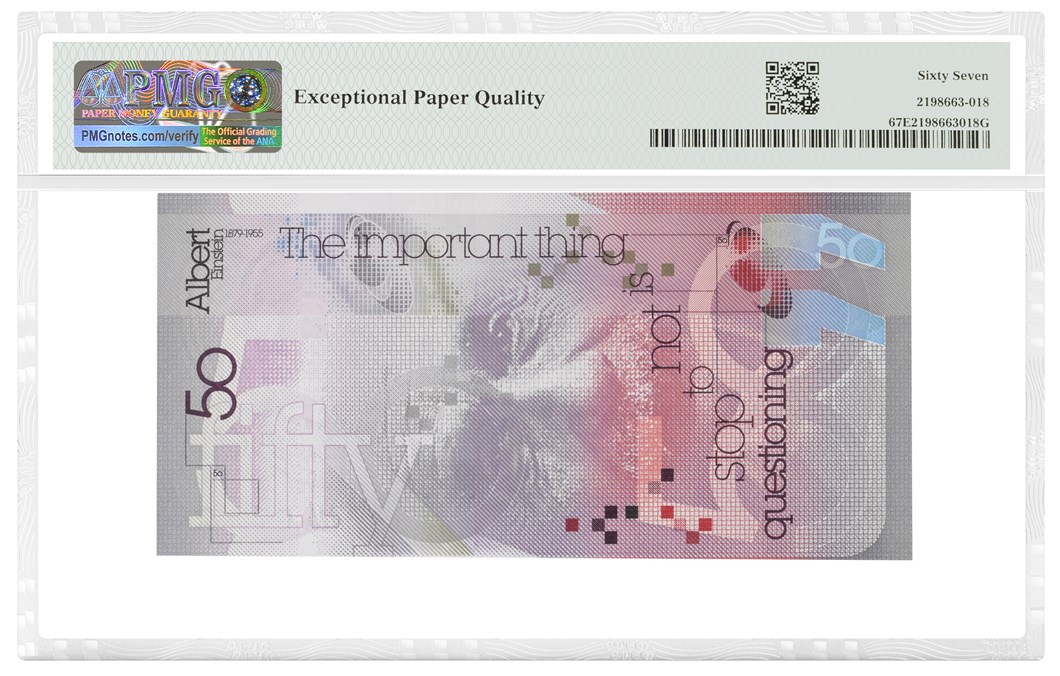
Featured on the front of this De La Rue Currency (GBR) Test Note is Albert Einstein, who is one of the most recognizable names in the entire world. The German-born theoretical physicist was best known for developing several mathematical theories and equations that fundamentally changed physics, including the E = mc2 formula for mass-energy equivalence and the theory of relativity. Einstein received the Nobel Prize in Physics in 1921, certifying him as a recognized talent and core contributor to the growth of theoretical physics.
 |
|
 |
|
| Click images to enlarge. | |
Nicolae Iorga & Thinking Man of Hamangia
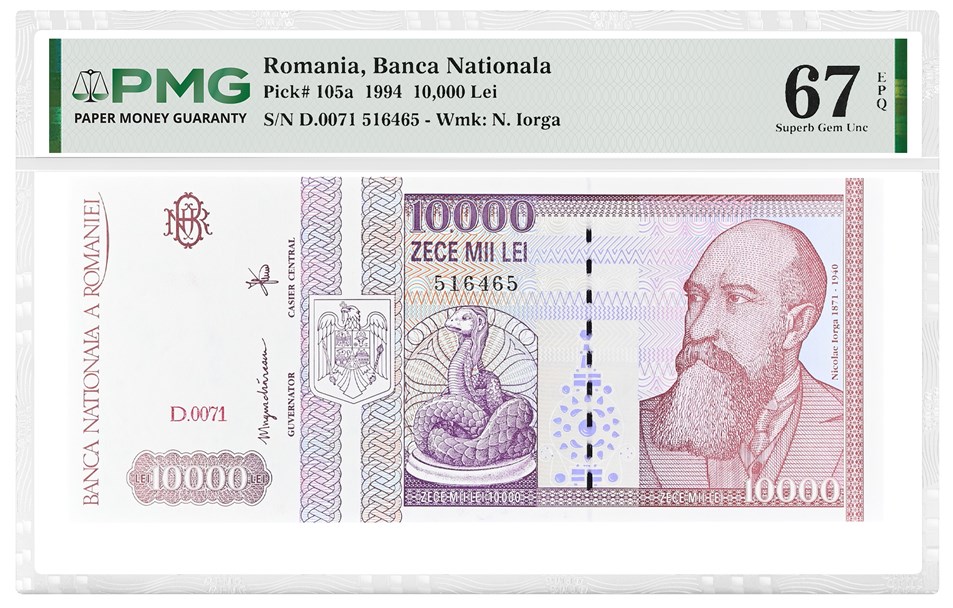
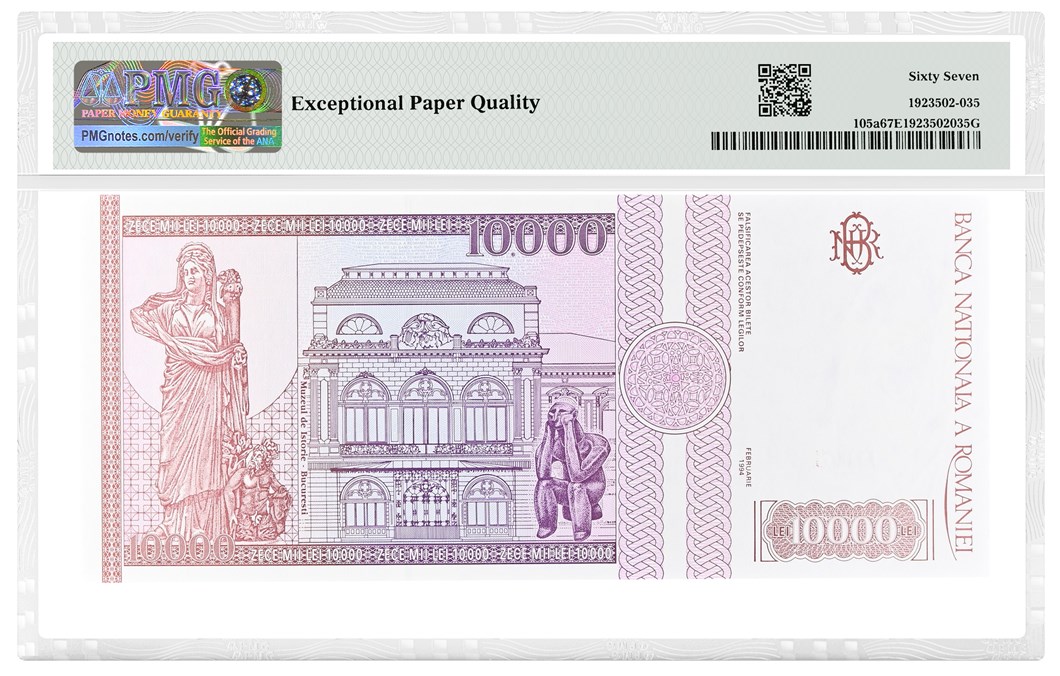
The front of this Romania 1994 10,000 Lei note depicts Nicolae Iorga. He was a child prodigy, a polymath, and a polyglot whose published contributions to Romanian history and other subjects reached an astronomical total of 1,359. Meanwhile, the Thinking Man of Hamangia — pictured on the note’s reverse — is an ancient archaeological artefact that was discovered in Romania. The two go hand in hand as important representatives of philosophy.
 |
|
 |
|
| Click images to enlarge. | |
Democritus
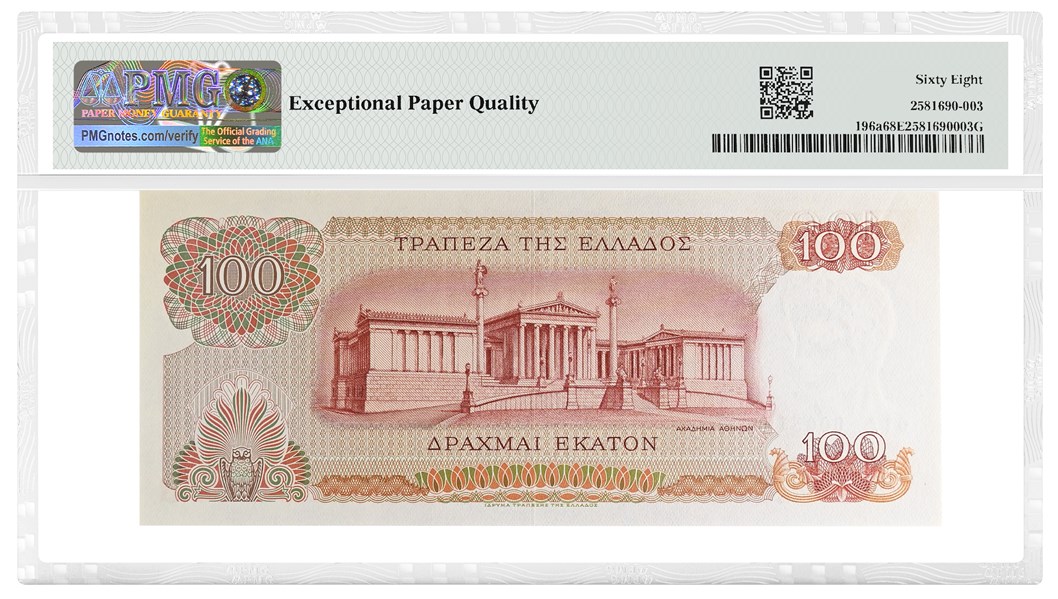
This Greek 1966 100 Drachmai note shows a bust of Democritus. Democritus was an important philosopher from ancient Greece, primarily known for his atomic theory of the universe. His theory suggested that all matter is made of atoms and was eventually adopted into modern sciences that are believed and studied today. In addition to his atomic theory and work in other disciplines, Democritus was known to be an important rival of Aristotle, another prevalent philosopher from ancient Greece.
20260922173847384.jpg) |
|
 |
|
| Click images to enlarge. | |
Juan Luis Vives
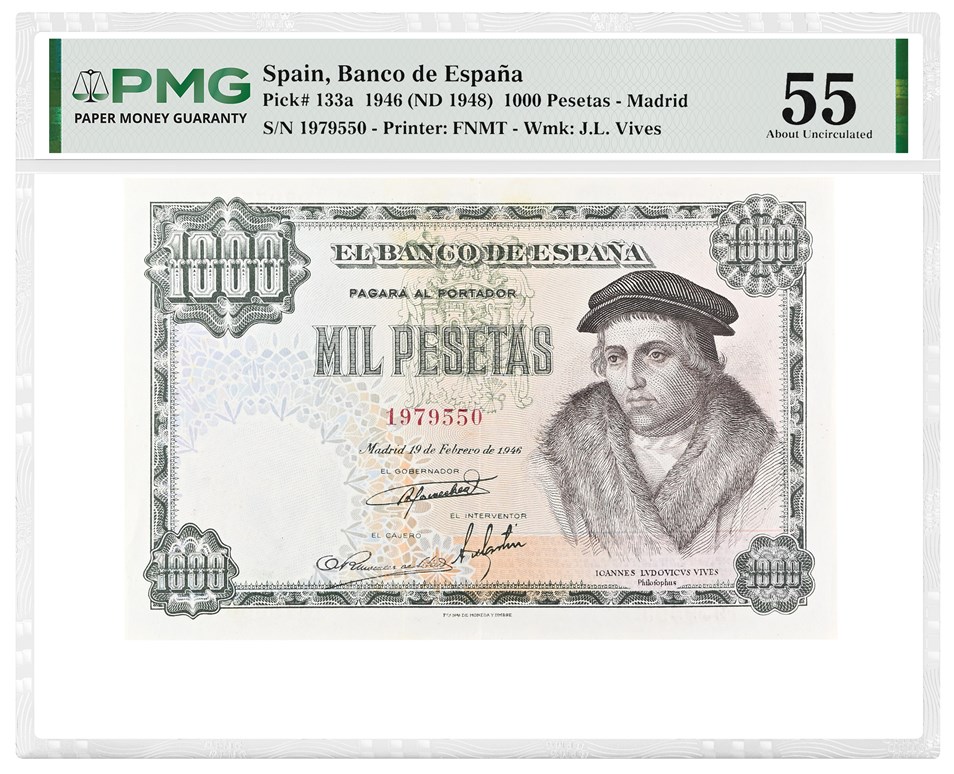
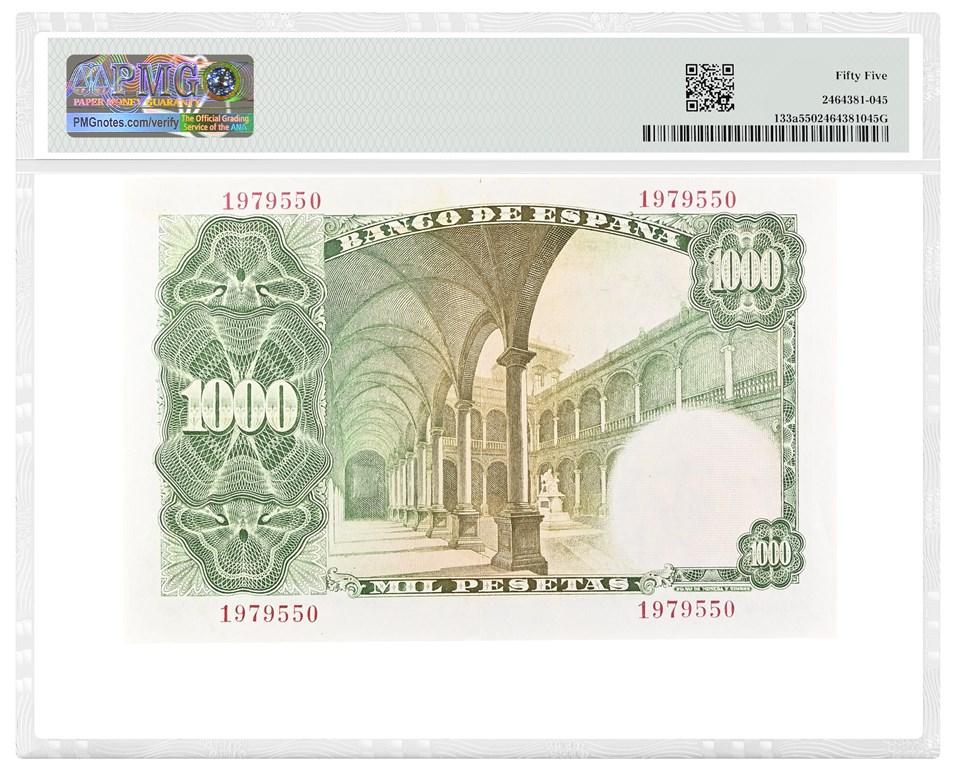
Spanish philosopher Juan Luis Vives is featured on the front of this Spanish 1946 1000 Pesetas note; he is widely known as the “father” of modern psychology. Vives' research and ideas were key to how we, as a modern society, understand, challenge, and continue to develop the idea of gender roles and responsibilities. Vives is also credited for integrating psychology into medicine, including — but not limited to — the effects of emotion on the physical body, how memories are created, and even the effect of a surrounding environment on learning.
 |
|
 |
|
| Click images to enlarge. | |
Nikola Tesla
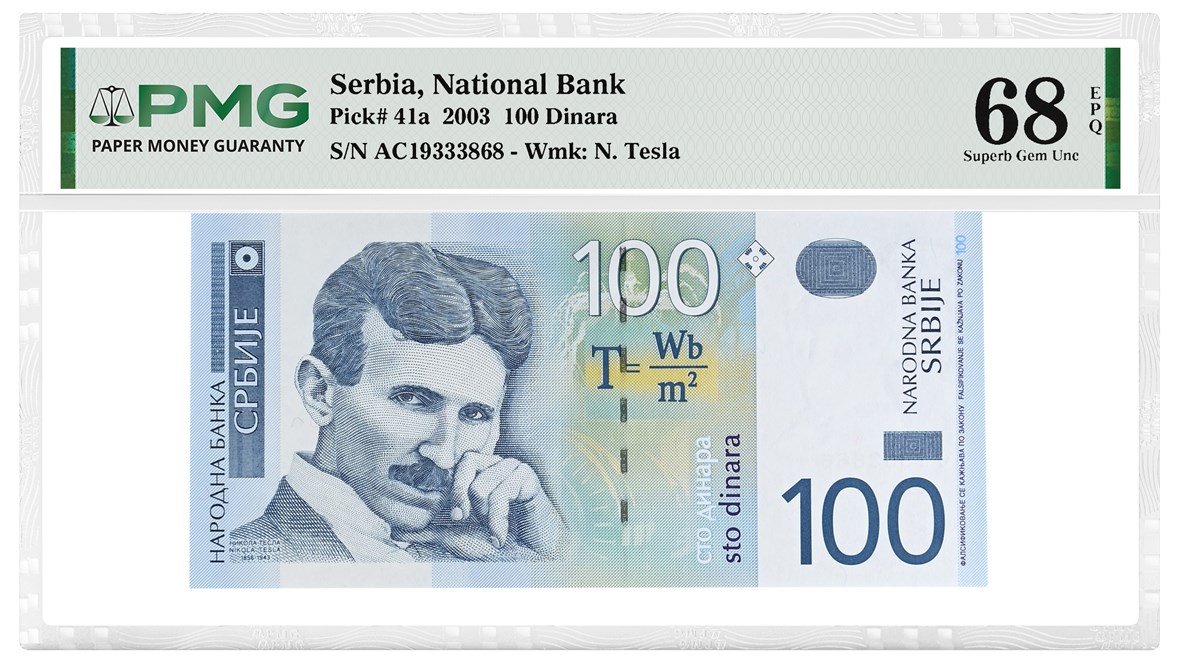
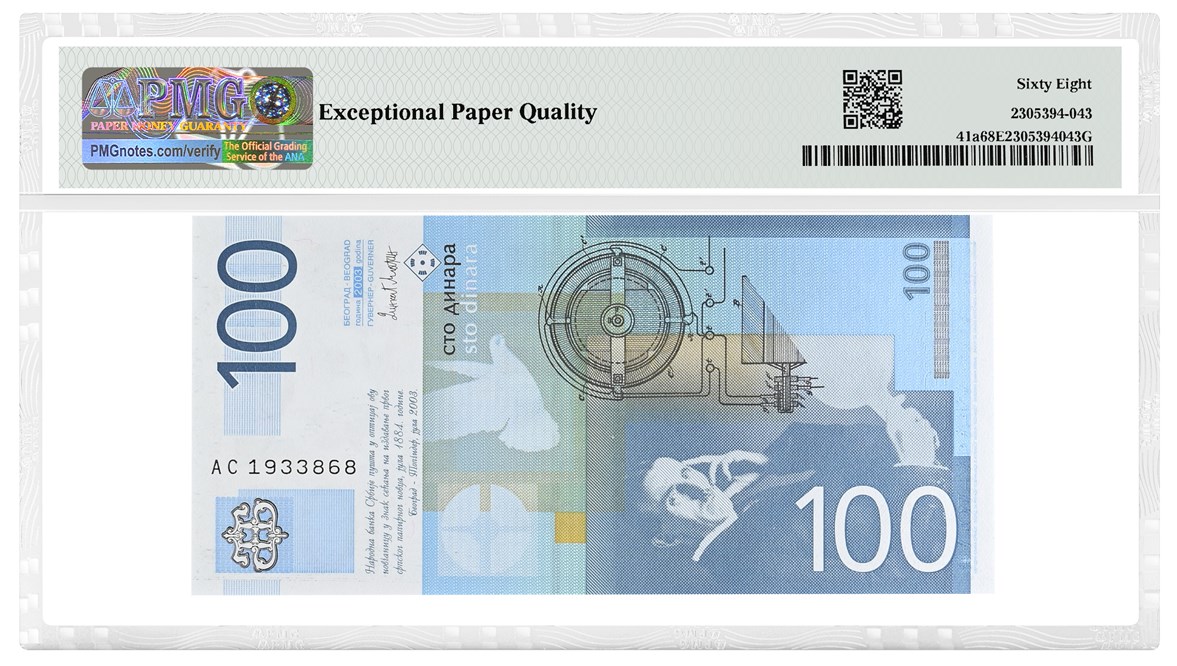
Not to be confused with the modern automotive company Tesla, Nikola Tesla was an engineer and inventor who invented the alternating current (AC) power system. You might recognize it as the power system that keeps the lights in your house on or your phone charged at night. Unlike direct current (DC) energy, which only flows in one direction, AC currents can flow forward and backward. We can attribute most of our modern electrical conveniences to Tesla, who is shown on the front of this Serbia 2003 100 Dinara note.
 |
|
 |
|
| Click images to enlarge. | |
Erwin Schrödinger
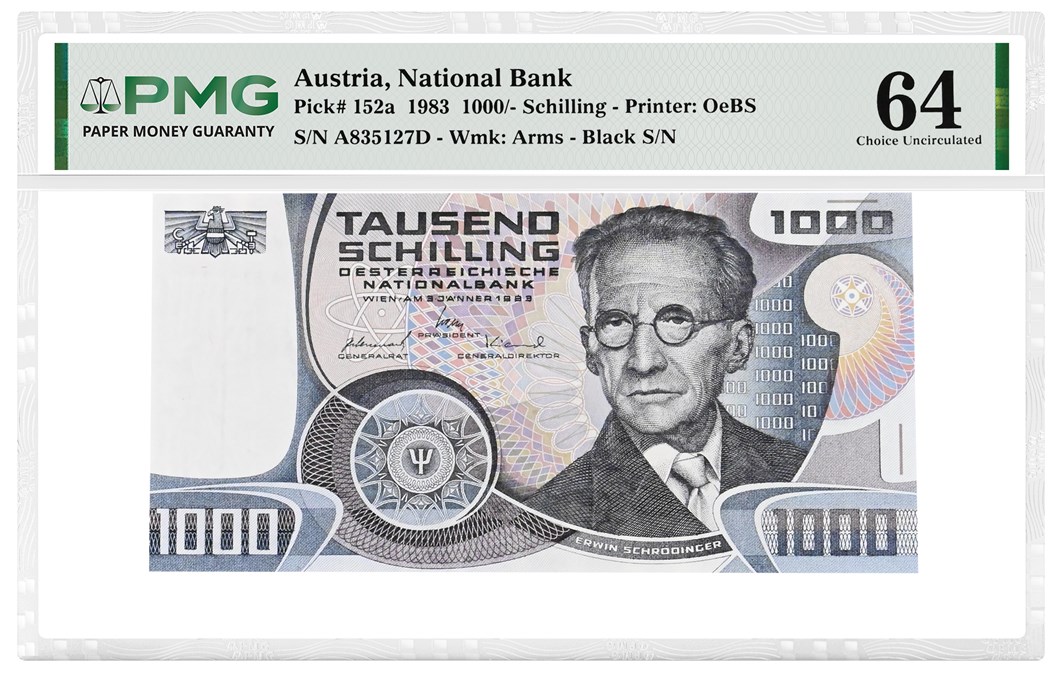
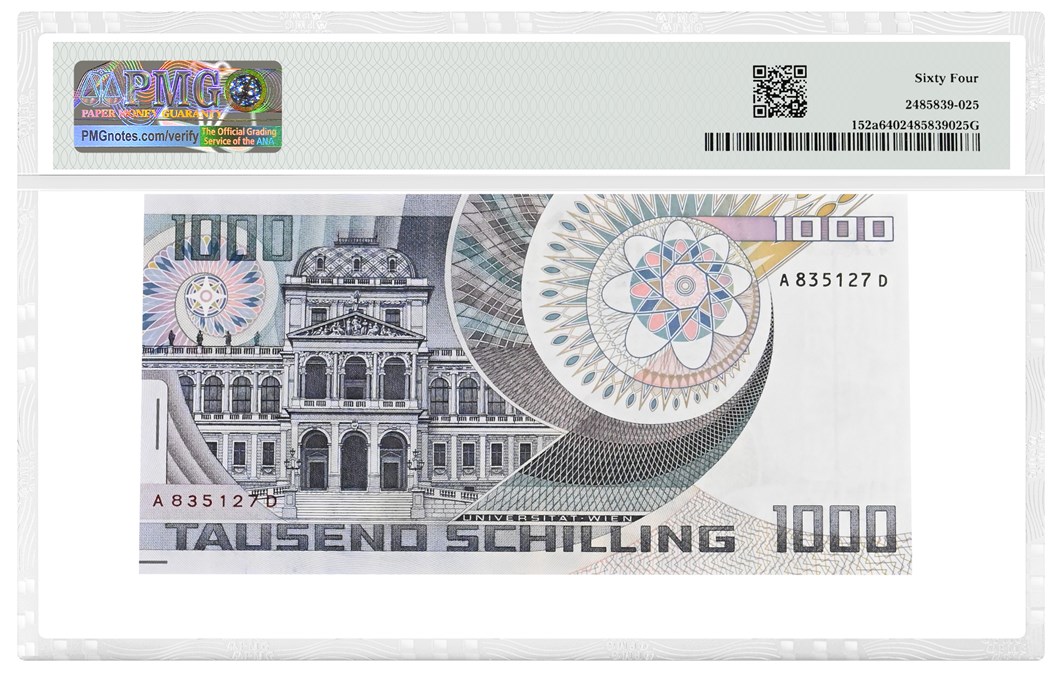
If you’ve ever heard of Schrödinger’s cat, you’re already familiar with Erwin Schrödinger. In addition to being recognized for creating the Schrodinger’s equation, his famous thought experiment, Schrödinger’s Cat, is even referenced in popular culture. Schrödinger’s contributions to science were recognized in 1935, when he earned the Nobel Prize in Physics. Interestingly, he wasn’t the only one to receive the prize that year — Schrödinger shared it with Paul Dirac, who is credited for laying the foundations for quantum field theory. Schrödinger is pictured on the front of this Austria 1983 1,000/- Schilling note.
 |
|
 |
|
| Click images to enlarge. | |
Alan Turing
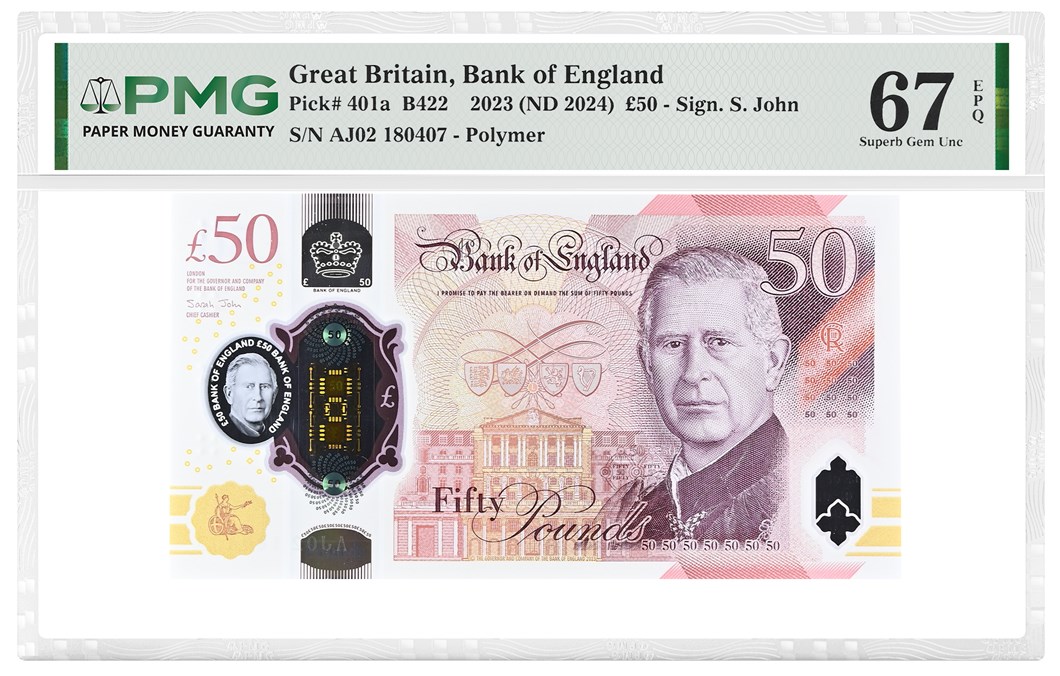
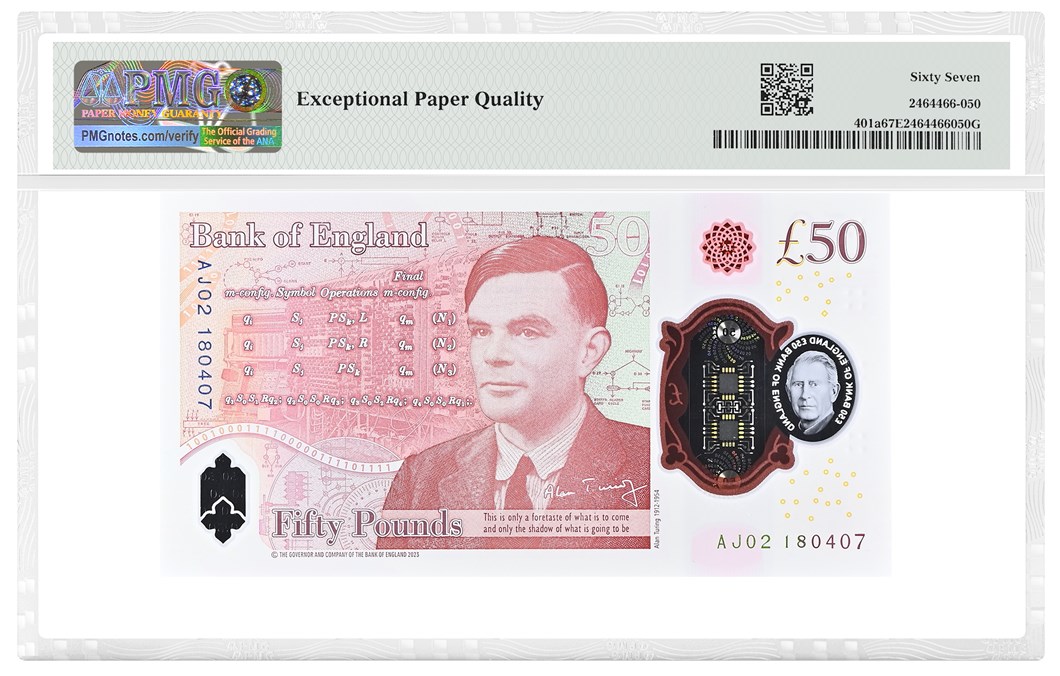
The back of this Great Britain 2023 50 Pound note featuring King Charles III depicts Alan Turing, an English mathematician and computer scientist who worked for the British government during World War II. The Turing machine, one of his inventions, became the model for general purpose computers. Although Turing accomplished much in the fields of mathematics and computing, his feats were never fully recognized during his lifetime because of the Official Secrets Act, which covered most of his work.
 |
|
 |
|
| Click images to enlarge. | |
António Egas Moniz
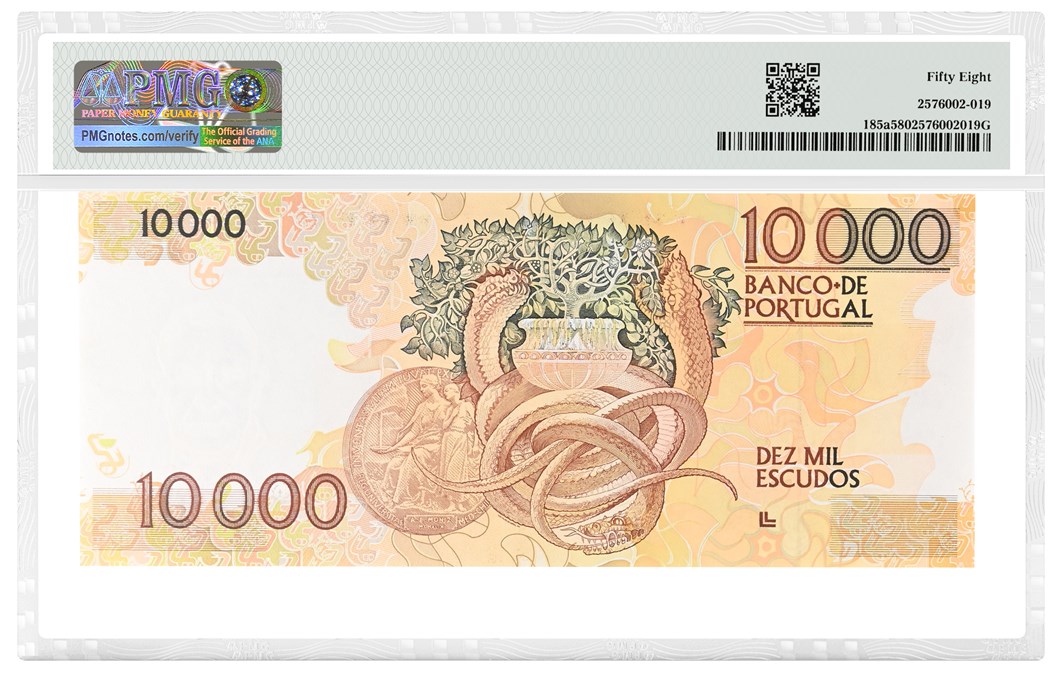
António Egas Moniz was the first Portuguese national to receive a Nobel Prize; he was honored in 1949 for inventing the lobotomy procedure. Although lobotomies are no longer performed due to the development of antipsychotic medicines and the risks involved with the procedure, Moniz’s contributions to medicine and surgery were still significant. He created the cerebral angiography, which allows us to view close-up scans of the brain to look for things like hemorrhages and brain tumors. Moniz is depicted alongside a cross-section of a human brain on this Portuguese 1989 10,000 Escudos note, and his Nobel Prize is shown on the back.
20260922173624187.jpg) |
|
 |
|
| Click images to enlarge. | |
Alberto Giacometti
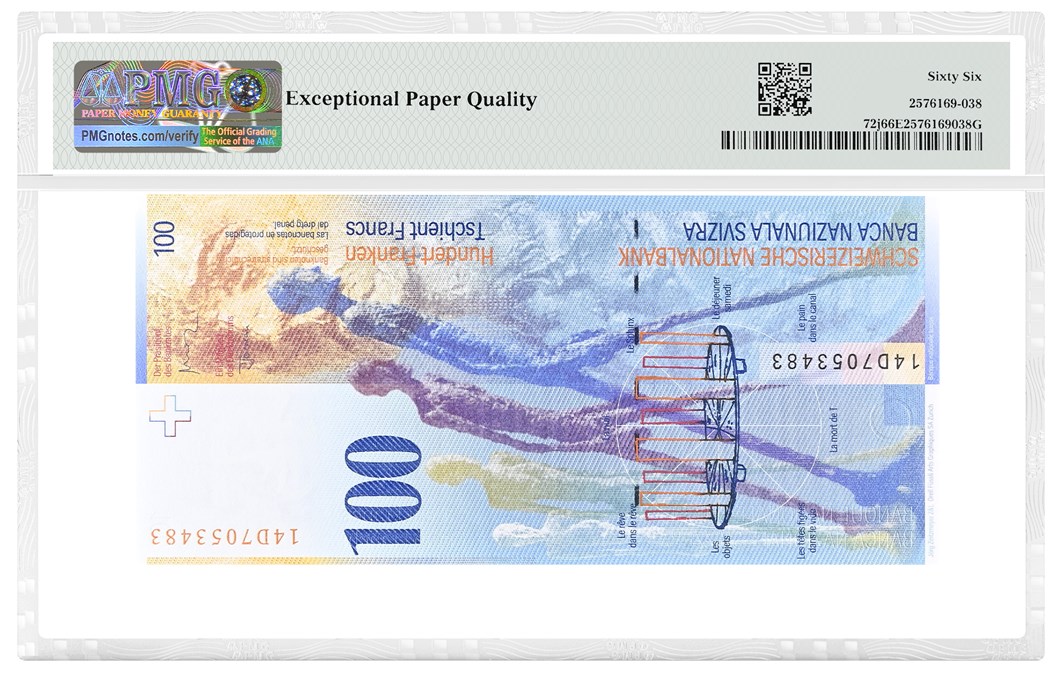
Alberto Giacometti, who is featured on this Switzerland 2014 100 Franken note, was not a scientist or philosopher, but rather a gifted sculptor and artist. His sculptures are famously known for being either tiny as nails or extremely long and thin — this is because Giacometti was obsessed with perfection and would often continue to carve until there was barely any material left. His artistic work was significantly impacted by existential and phenomenological thoughts about the human condition. Giacometti was awarded the grand prize for sculpture at the Venice Biennale in 1962.
20260922173733478.jpg) |
|
 |
|
| Click images to enlarge. | |
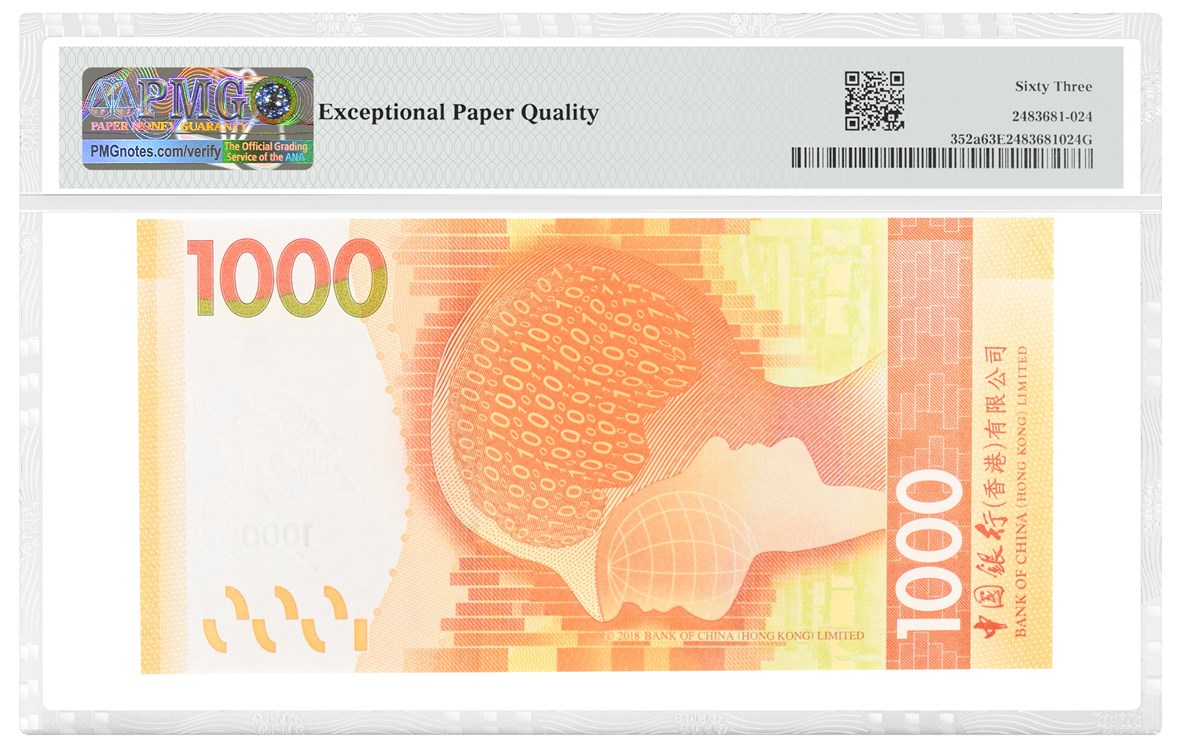
Brain with Binary Numbers
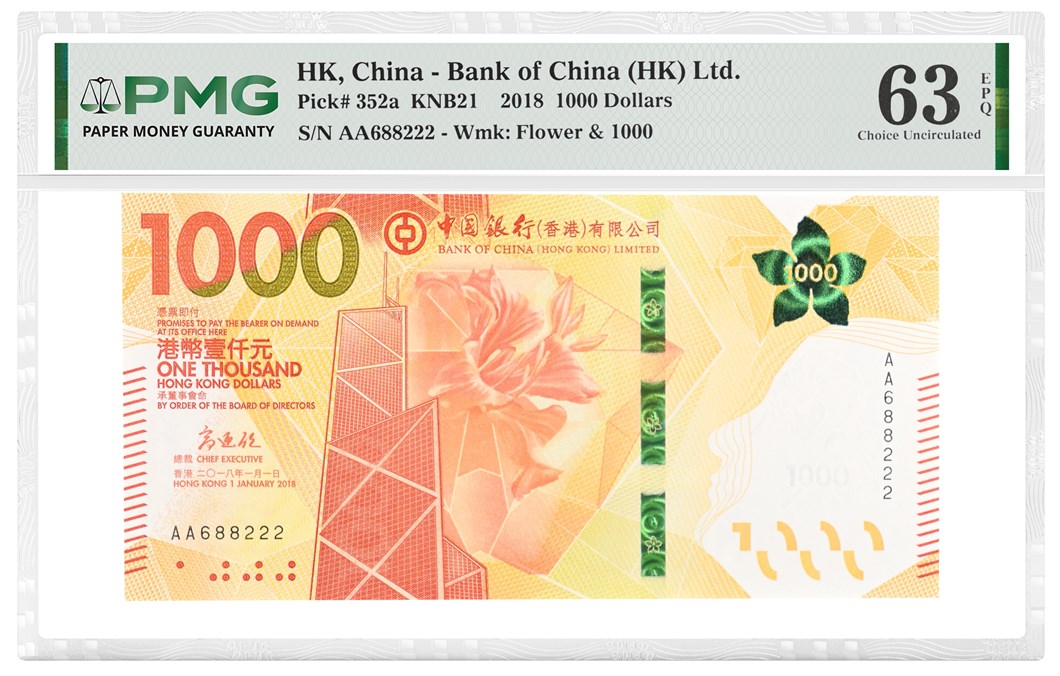
Rather than with a person, we end our list today with the concept shown on this Hong Kong 2018 1,000 Dollar note. The back of this note pictures a human brain with binary numbers surrounding it. Although the brain does not work as a binary system, this depiction symbolizes how modern technology has evolved into a digital age. Today, we are relying more and more on machine learning and computer science, even going as far as to mimic human cognition. The possibilities of this type of learning are endless and will doubtless lead to further contributions in science, medicine, and more. However, the human brain cannot be underestimated, as shown by our other picks above.
 |
|
 |
|
| Click images to enlarge. | |
If these notes inspired you, check out our other Collection Inspiration columns for more collecting ideas, including women writers, inventors, and Nobel Prize Laureates. Also, be sure to follow PMG on Facebook, Instagram, and Twitter for articles and interesting notes posted daily.
Stay Informed
Want news like this delivered to your inbox once a month? Subscribe to the free PMG eNewsletter today!