PMG Counterfeit Detection: Confederate 1864 $50 and $100
Posted on 7/21/2026
By the beginning of 1864, the Confederacy was losing the war on the front lines, following the Union success at the siege of Vicksburg in the west and the Battle of Gettysburg in the east. The Confederacy was also losing the economic war, with rampant counterfeiting of its paper money compounding the problem of runaway inflation.
Confederate leaders attempted to get this under control with the Act of February 17, 1864, issuing new notes (including a $50 and $100) to replace the old ones. These new notes, among the last authorized by the Confederacy, were immediately targeted by counterfeiters.
 |
|
 | |
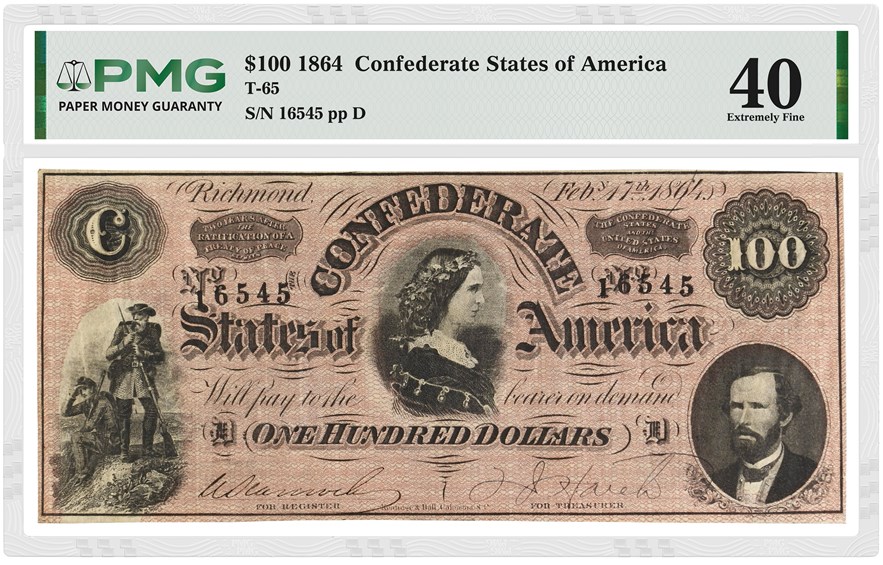
| Genuine Confederate 1864 $100 (T-65) Click images to enlarge. |
|
High-grade genuine examples of the 1864 $100 can sell for several hundred dollars today. Fakes, known as Havana counterfeits — because they are believed to have been smuggled into the Confederacy from the Cuban capital — sell for comparable amounts. (PMG, at its sole discretion, certifies counterfeits of certain notes for which there is considerable collector interest.) The PMG Population Report lists more than 2,200 examples of T-65 but fewer than 200 of its counterfeit counterpart.
An example of a $100 Havana counterfeit is included in an August 2026 Heritage Auctions sale.
 |
|
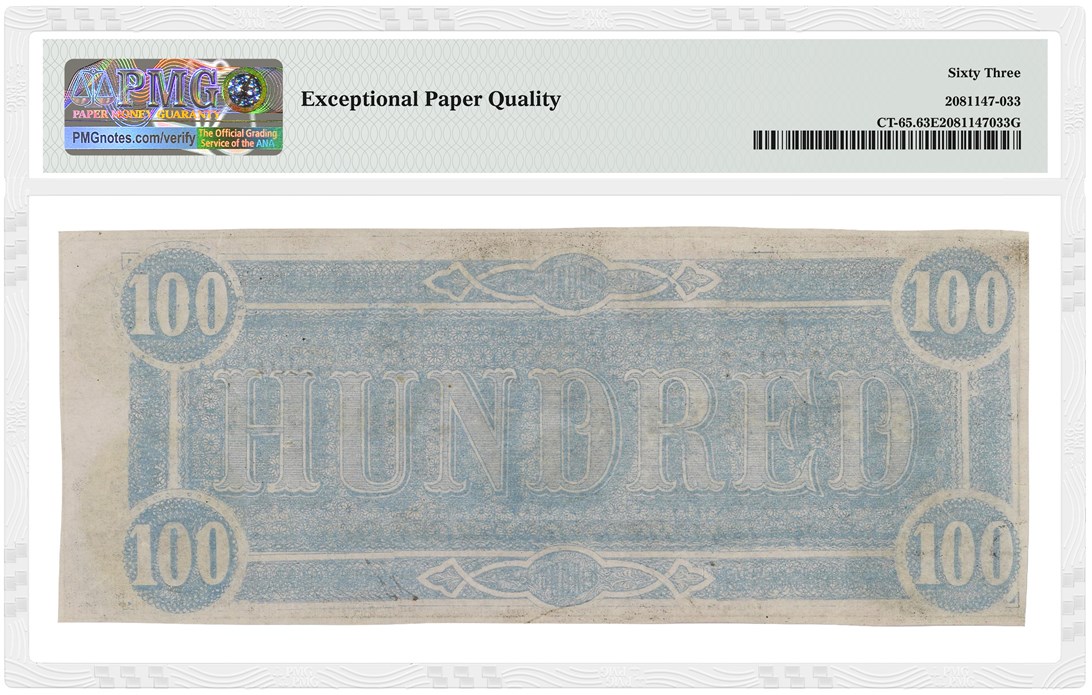 | |
| Counterfeit Confederate 1864 $100 (CT-65) Click images to enlarge. |
|
The six-digit serial number on this $100 counterfeit is a red flag, because genuine notes have serial numbers with five digits or fewer. In addition, the back of the $100 counterfeits, including this one, typically have a pale, faded look to the blue ink. Genuine notes are sharper and darker on the back.
 |
|
 | |
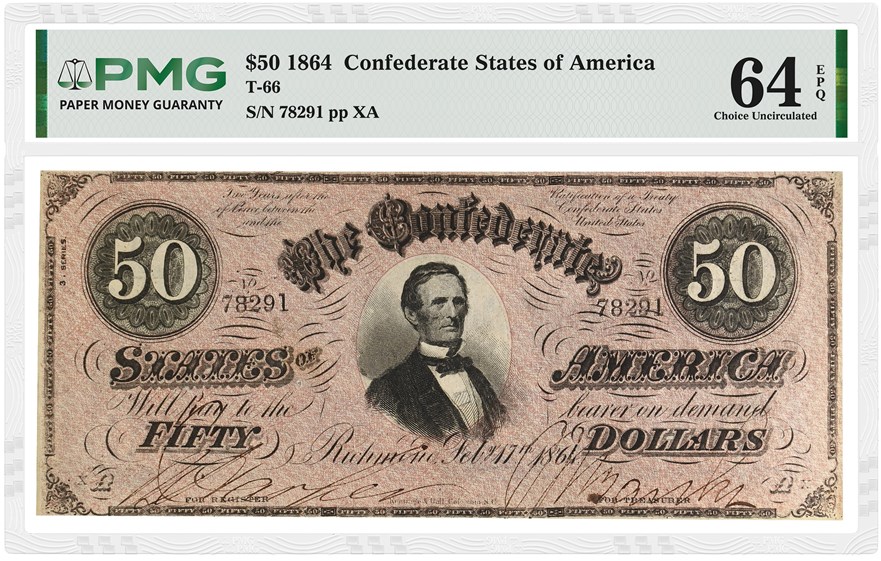
| Genuine Confederate 1864 $50 (T-66) Click images to enlarge. |
|
The Confederate 1864 $50 (known by its catalog number of T-66) can also sell for several hundred dollars in Uncirculated condition, with Havana counterfeits fetching similar amounts. The PMG Population Report lists more than 2,800 examples of T-66 and fewer than 100 of CT-66.
 |
|
 | |
| Counterfeit Confederate 1864 $50 (CT-66) Click images to enlarge. |
|
An example of a Counterfeit Confederate 1864 $50 is included in the same Heritage Auctions sale as the $100.
 |
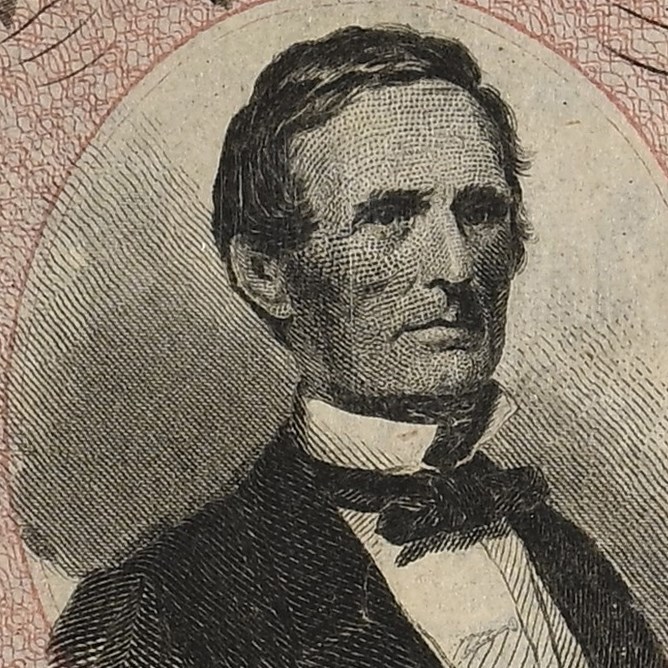 |
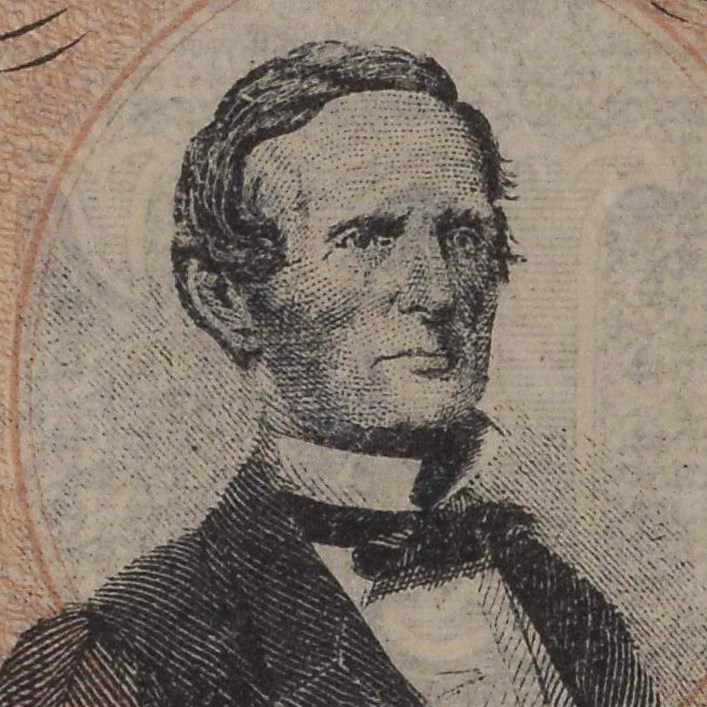
| Close-ups of the front of the counterfeit (left) and genuine (right). Click images to enlarge. |
|
Because the Confederacy was cut off from some of the most skilled engravers available, the designs of genuine Confederate currency are often on par with the contemporary counterfeits. But a closer look at the portrait of Confederate President Jefferson Davis reveals that it is off-center to the left. Additionally, subtle differences can be spotted in the ear and the left corner of the mouth, which dips downward more sharply on genuine notes.
If you are uncertain whether you have a genuine Confederate note or a contemporary counterfeit, remember that PMG backs its determinations of authenticity and grade with the PMG Guarantee.
Stay Informed
Want news like this delivered to your inbox once a month? Subscribe to the free PMG eNewsletter today!