Collection Inspiration: Deer
Posted on 6/23/2026
International Hug a Deer Day — June 25 — is a satirical holiday the developed from internet culture, but it’s a great time to look at these mammals that have a reputation for gentleness. Many notes from around the world feature deer, showcasing their beauty and their role in biodiversity. Deer have been portrayed in mythology and literature throughout history, and they remain engrained in many cultures today.
Here are ten banknotes featuring different deer species from around the world.
Ten Banknotes Featuring Deer
Timorese Stag
Native to Indonesia and parts of New Guinea, the Timorese stag is a large species of deer with keen senses and cautious instincts. They are nocturnal and prefer to avoid contact with humans and other animals, though they can sometimes be seen grazing during the day. In 2018, they were declared a protected species in Indonesia due to rapidly declining populations over the past two decades. The species is also called the Javan rusa and Sunda sambar. The Timorese stag has been featured on several Indonesian banknotes, including this Indonesia, Bank Indonesia 1988 500 Rupiah banknote.
 |
|
 |
|
| Click images to enlarge. | |
Taruca (North Andean Deer)
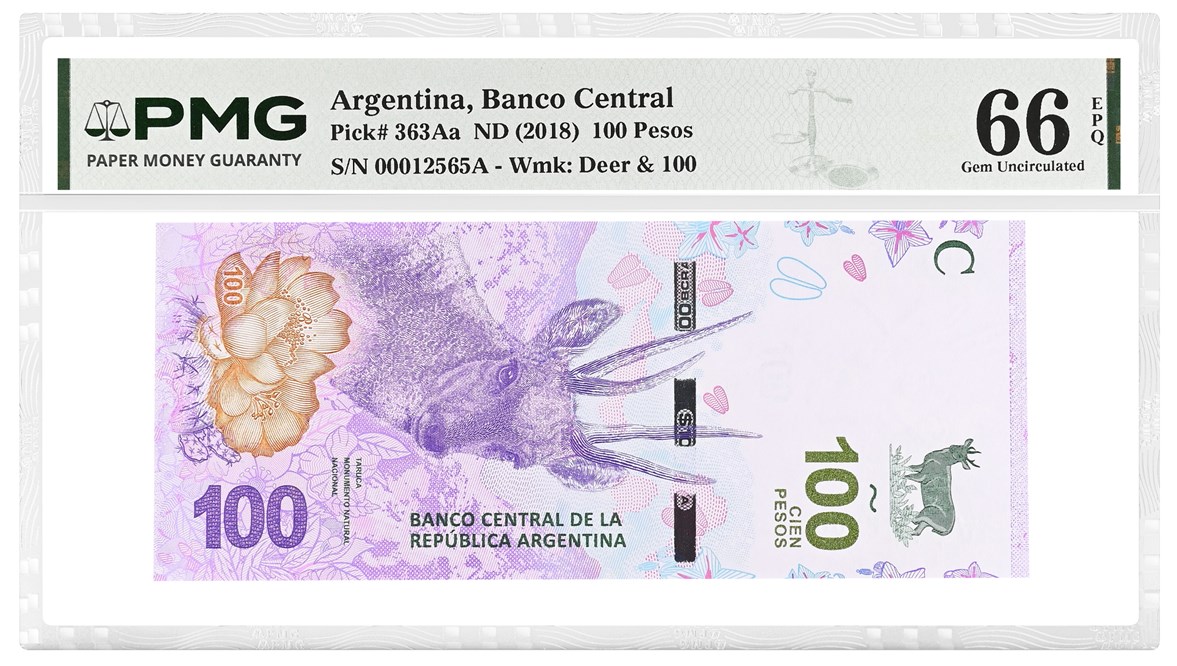
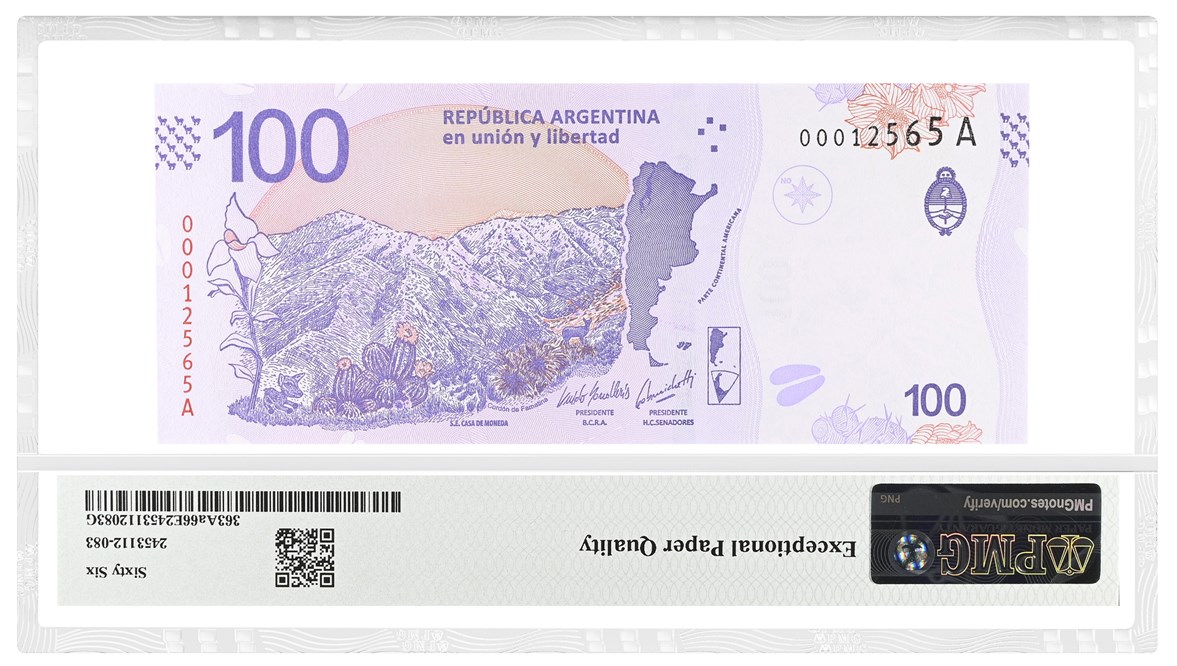
This Argentina, Banco Central ND (2018) 100 Pesos note features a north Andean deer, commonly known as a taruca — which is the word for “deer” in Quechua and Aymara. These deer are exclusively found in the Andes mountains, which stretch from central Peru, through Boliva and Chile, then into northern Argentina. Like almost every other deer species, only the males grow antlers. North Andean deer can be easily picked out from other deer species because of their antler growth patterns. Unlike other South American deer, North Andean deer antlers consist of only two individual branches that don’t have smaller “twigs” branching off.
 |
|
 |
|
| Click images to enlarge. | |
Spotted Deer
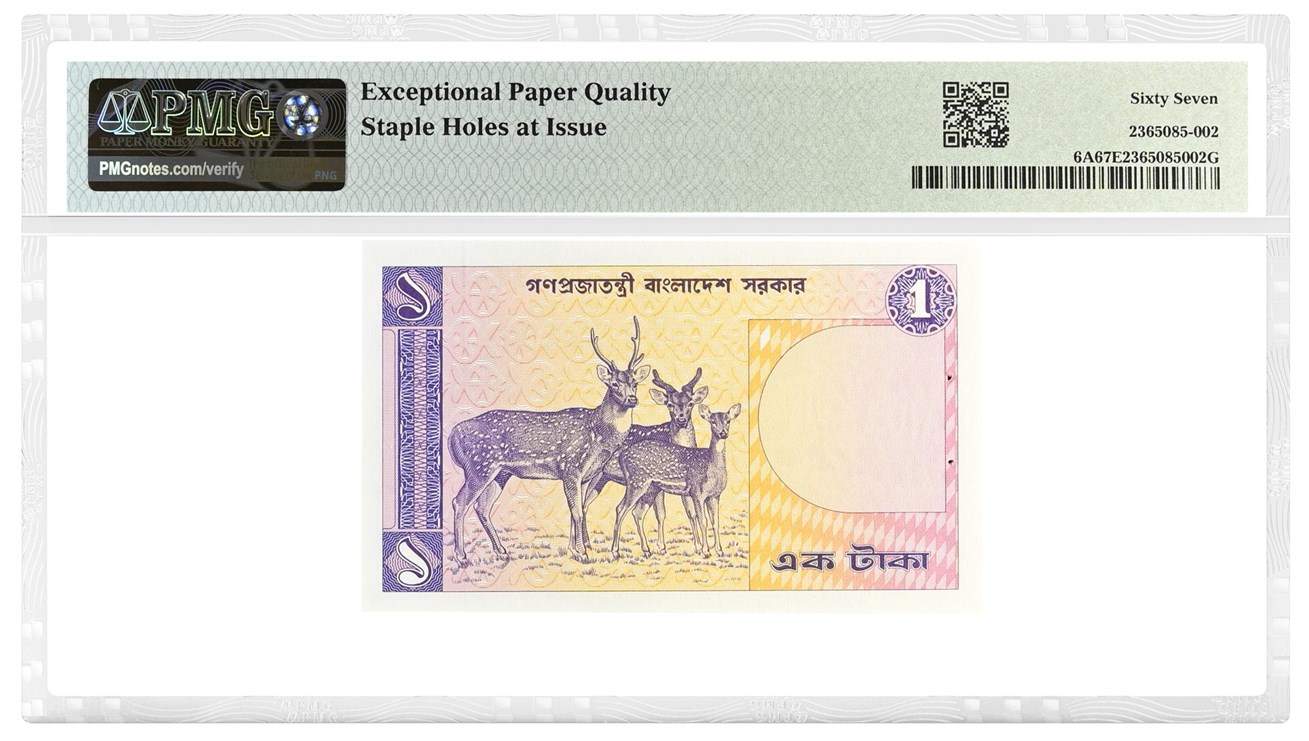
A small herd of spotted deer is depicted on the back of this Bangladesh ND (1982) 1 Taka banknote. The Indian spotted deer, also called the chital or axis deer, is native to Bangladesh, India, and Pakistan. Interestingly, although this species of deer is not endangered and remains common in most parts of the Indian subcontinent, it is locally extinct in central and northeastern Bangladesh. In addition to grazing, Indian spotted deer are also browsers, so you can see them reaching for food high in trees.
 |
|
 |
|
| Click images to enlarge. | |
Moose
Deer and moose both fall under the same family Cervidae, so yes, moose are technically deer! Besides their gargantuan size, moose are identifiable by their open-shaped antlers, which seem more like open-handed palms than twigs and branches that other deer species have. While the moose is not endangered, it has many predators — including humans — which have reduced the species’ range and even led to moose inhabiting urban areas. This Belarus 1992 25 Rublei shows a moose.
 |
|
 |
|
| Click images to enlarge. | |
White-tailed Deer
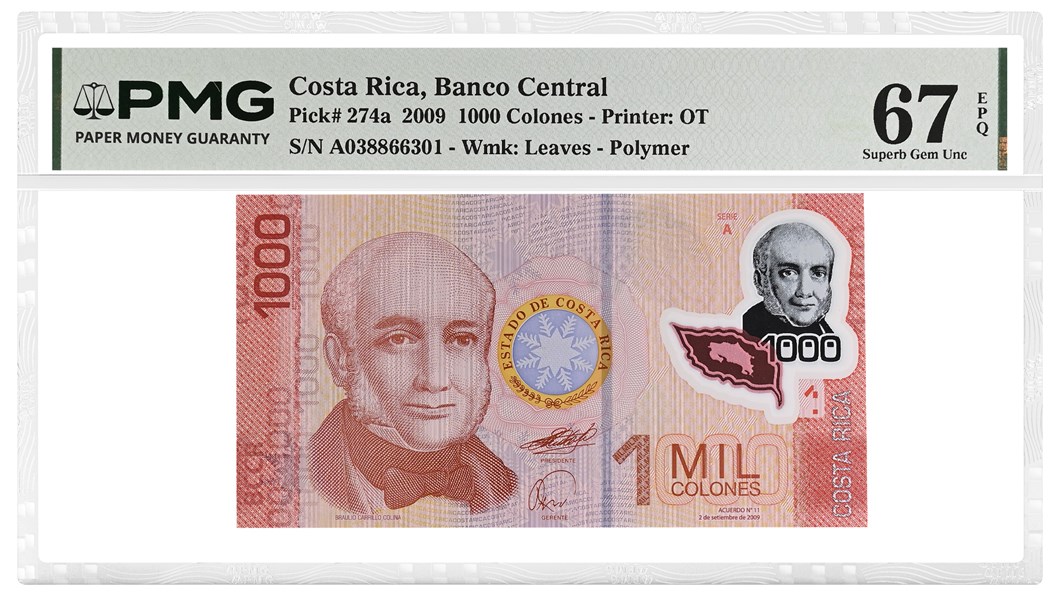
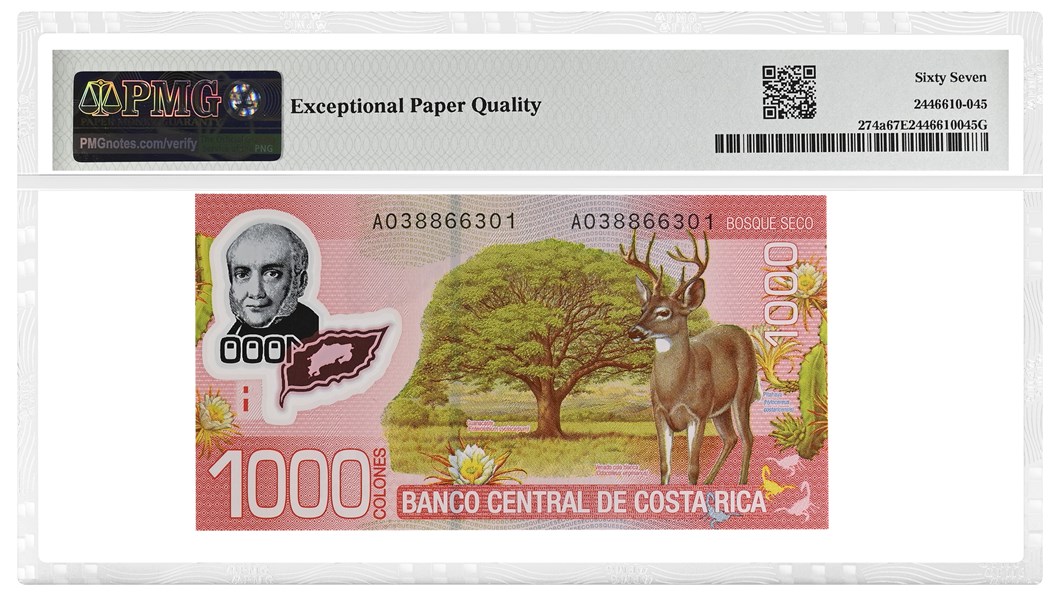
If you live in North or South America, these are the deer you are likely most familiar with. The white-tailed deer is the most widely distributed mainland herbivore in the Americas, and they inhabit several ecosystems, including grasslands, basins, and even mountains. White-tailed deer are even considered a nuisance in some areas of North America, which is why an annual hunting season is sanctioned in certain places. A beautiful stag is depicted on the back of this Costa Rica, Banco Central 2009 1,000 Colones banknote.
 |
|
 |
|
| Click images to enlarge. | |
Niko Pirosmanashvili’s Painted Deer
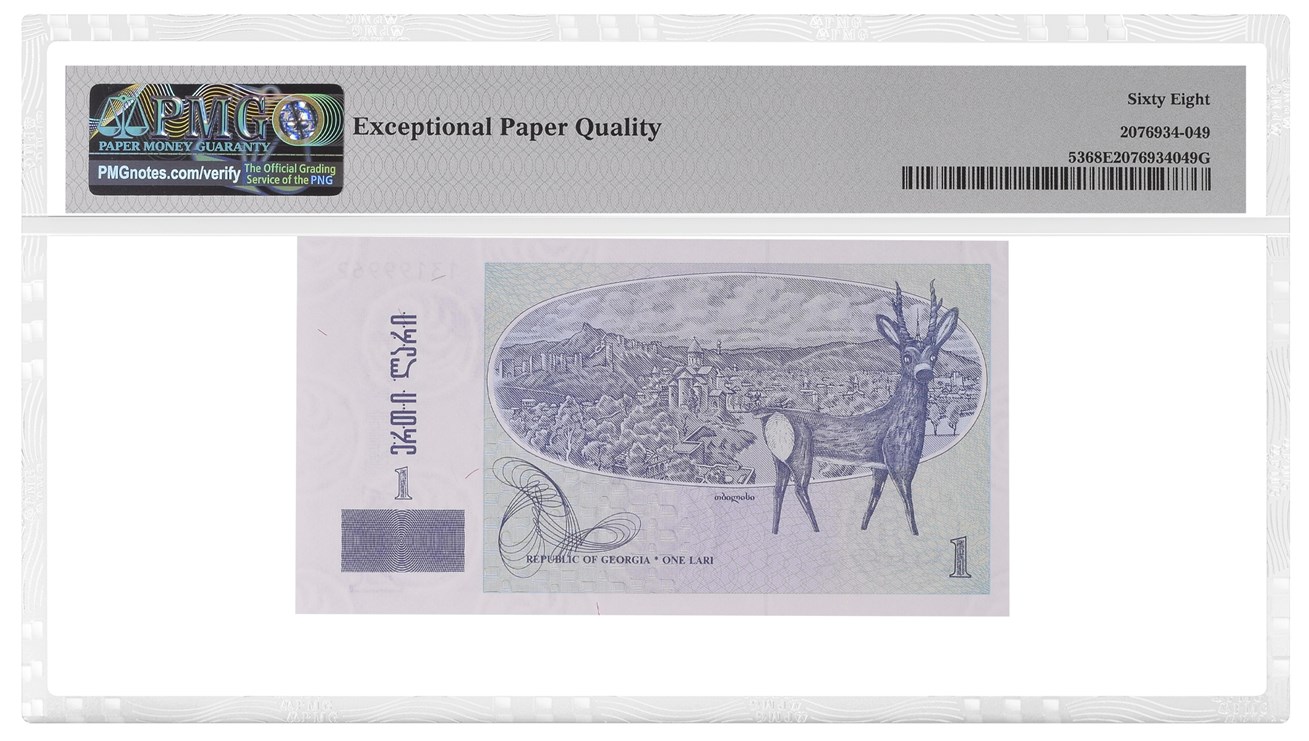
This Georgia, National Bank 1995 1 Lari banknote honors Georgian painter Nikoloz (Niko) Pirosmanashvili, who rose to prominence after his death in 1918. His paintings focus heavily on everyday scenes that would have been common in Georgia during the time he lived. The back of the note features a slightly cartoonish depiction of a deer. It’s possible that it is a white-tailed deer because of the white coloring on its snout and rear end, but it could also be a red deer, which are common in Georgia.
 |
|
 |
|
| Click images to enlarge. | |
Red Deer
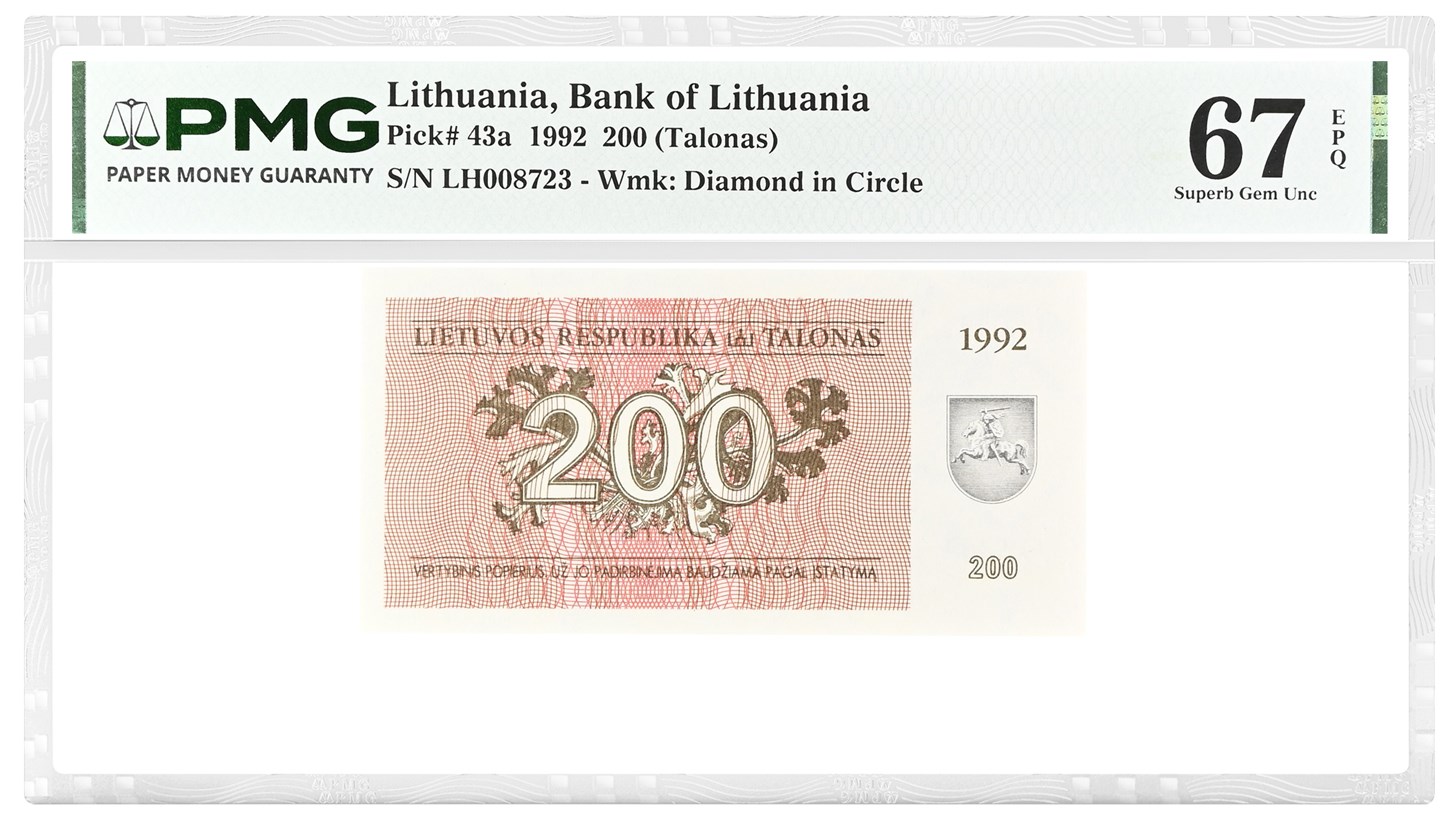
Speaking of red deer, this species is common across Europe, western Asia, and northern Africa (in fact, it is the only deer species to inhabit Africa). Like white-tailed deer, red deer’s venison (meat) is used as a food source for millions of families around the world. Red deer are the fourth-largest deer species, behind moose, elk, and sambar deer. A red deer stag and doe are featured on the back of this small Lithuania, Bank of Lithuania 1992 200 (Talonas) banknote.
 |
|
 |
|
| Click images to enlarge. | |
Desert Mule Deer
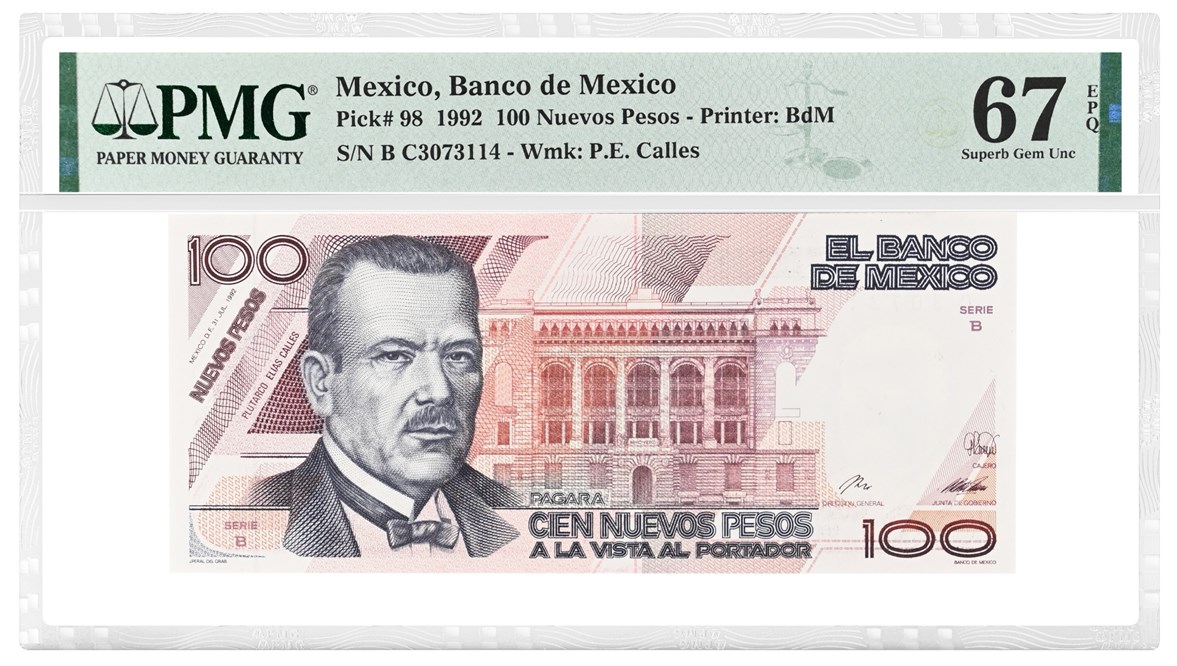
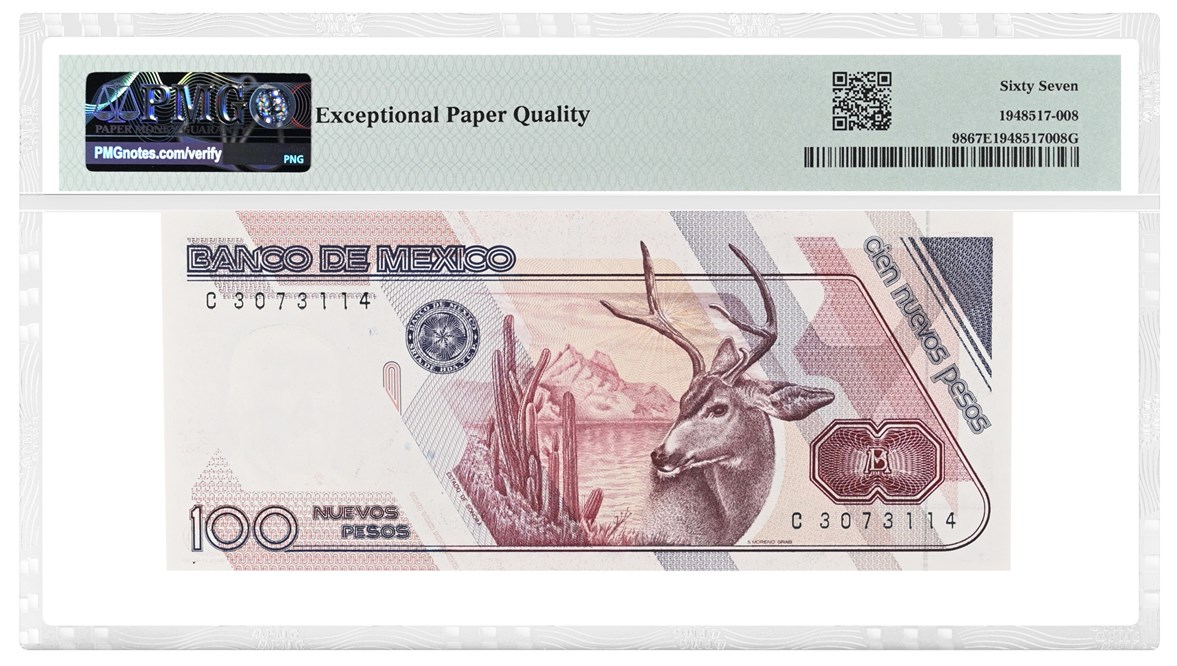
The back of this Mexico, Banco de Mexico 1992 100 Nuevos Pesos shows a mule deer. Specifically, desert mule deer are native to the arid climates of Mexico and southern US states, such as Arizona and New Mexico. You can tell them apart from other species of deer by their extremely large ears. Mule deer also have black-tipped white tails and are slightly smaller than their cousins.
 |
|
 |
|
| Click images to enlarge. | |
Sambar Deer (Rusa unicolor)
As China and Nepal share Mount Everest (pictured on the front of this Nepal, Rastra Bank 2020 20 Rupees), so too do they share the sambar deer — an elk-like species that inhabits forests at the base of mountains. These large deer are listed as vulnerable because of hunting, habitat exploitation, and local insurgency. Although they are vulnerable in their home habitats, they are considered a nuisance in parts of the world where they have been introduced, such as Australia, New Zealand, and the United States.
 |
|
 |
|
| Click images to enlarge. | |
Visayan Spotted Deer (Rusa alfredi)
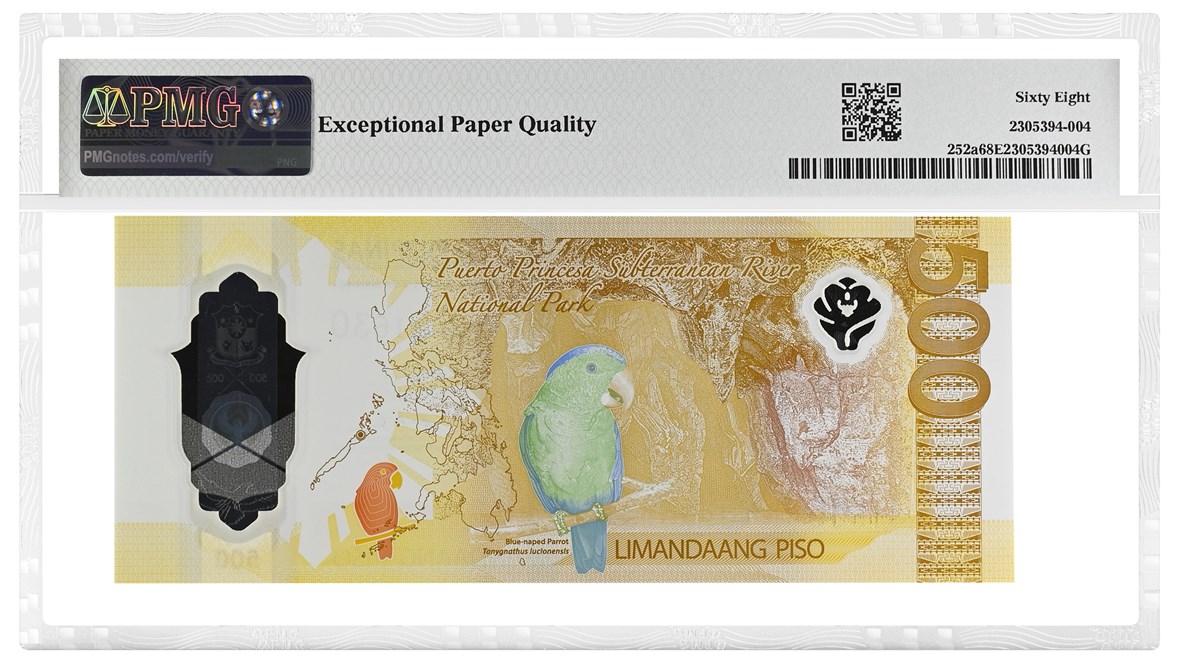
The Visayan spotted deer is an endangered species of deer native to the Philippines. It is sometimes called Prince Alfred’s deer, because Prince Alfred — the sovereign Duke of Saxe-Coburg and Gotha from 1893 to 1900 — sent the first known specimen of the Visayan spotted deer to Philip Lutley Sclater, a renowned English zoologist. The Visayan spotted deer is sometimes considered to be the rarest species of deer in the world because of their critically low numbers; an estimated 2,500 mature individuals were known to survive in 1996, while only 300 were confirmed in 2009. This Philippines, Bangko Sentral 2024 500 Piso banknote depicts a rare Visayan spotted deer.
 |
|
 |
|
| Click images to enlarge. | |
If you're interested in more inspiring banknotes, check out our other Collection Inspiration columns for more collecting ideas, including ones centered on horses, oxen, and dogs. Also, be sure to follow PMG on Facebook, on Instagram, and on Twitter for other articles and interesting notes posted daily.
Stay Informed
Want news like this delivered to your inbox once a month? Subscribe to the free PMG eNewsletter today!