Collection Inspiration: Male Authors
Posted on 4/21/2026
Male authors on currency capture a nation’s heritage in intellect and language. Banknote designers turn to writers when they want to project identity shaped by ideas rather than force, elevating storytellers and thinkers as architects of national character. A familiar literary figure from that past, such as William Shakespeare or Victor Hugo, can reinforce the identity of a nation in the present, suggesting that imagination and expression are as foundational as industry or leadership.
With April 23 marking World Book Day, it’s a fitting moment to spotlight these figures, especially following our previous PMG Collection Inspiration article celebrating women authors who have appeared on world banknotes.
Ten banknotes featuring Male Authors:
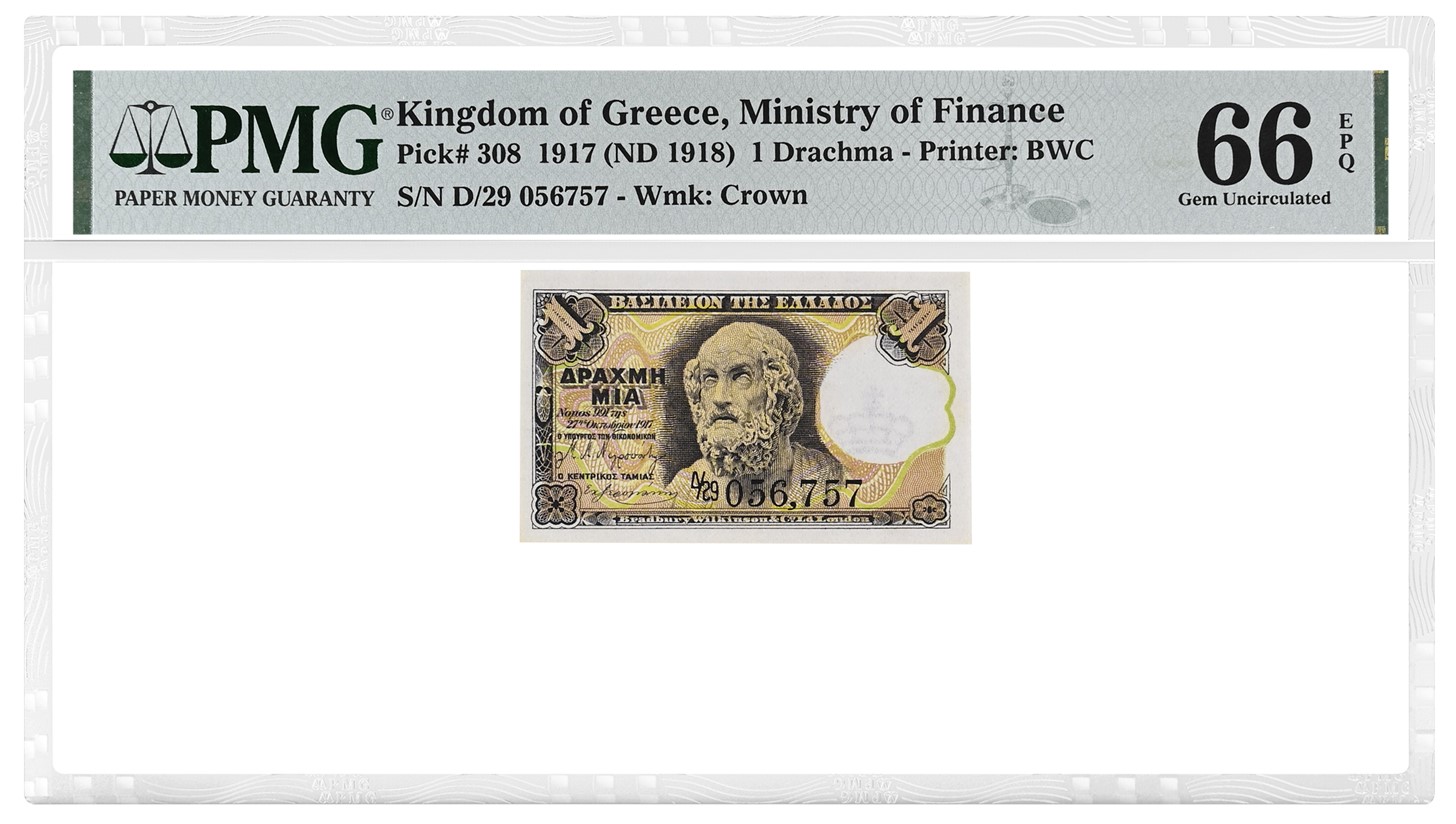
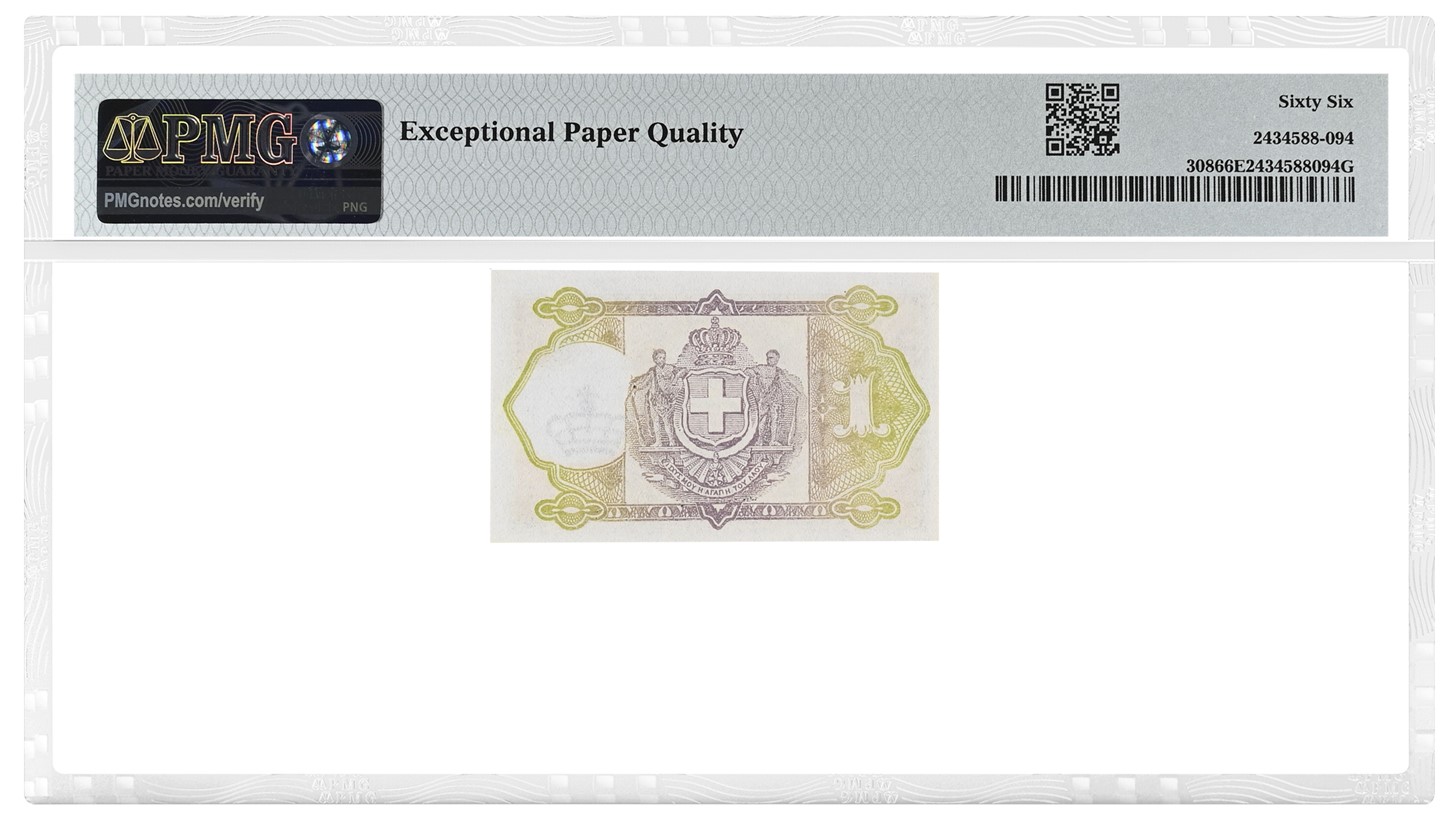
Homer (circa 8th century BC)
 |
|
 |
|
| Click images to enlarge. | |
Homer stands at the beginning of Western literature, as mythic as the heroes he immortalized as the author of the epic poems, The Iliad and The Odyssey, which served as the foundational works that shaped Greek identity and the narrative structure of heroic journeys. Homer’s influence echoes through centuries of literature, philosophy, and art, with his verses preserving the drama of war and the fragile line between fate and human will.
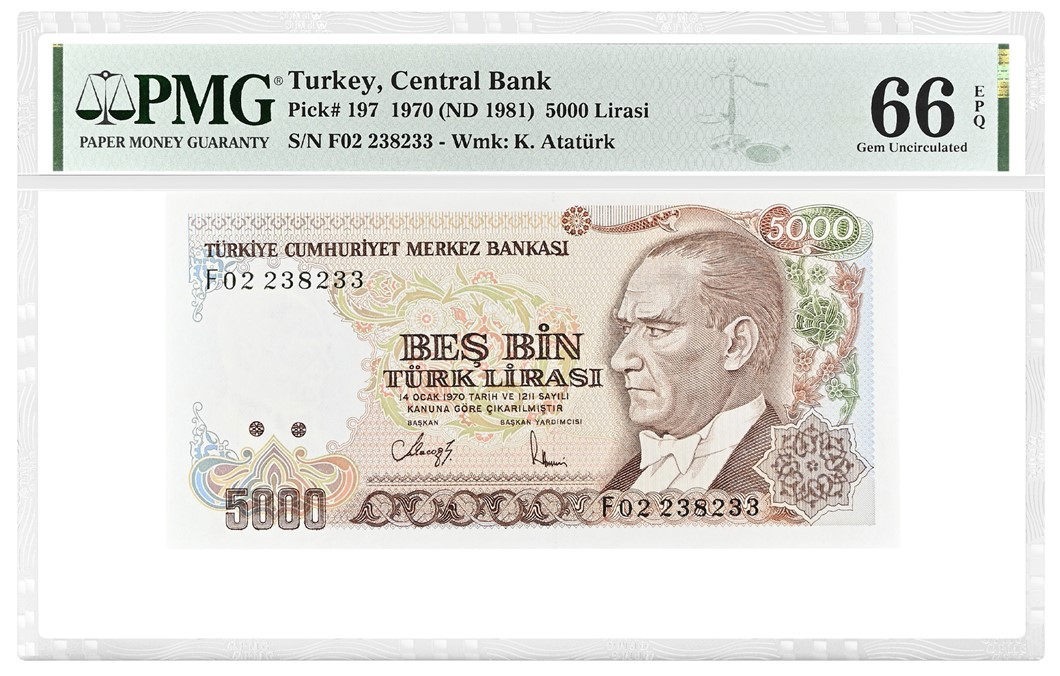
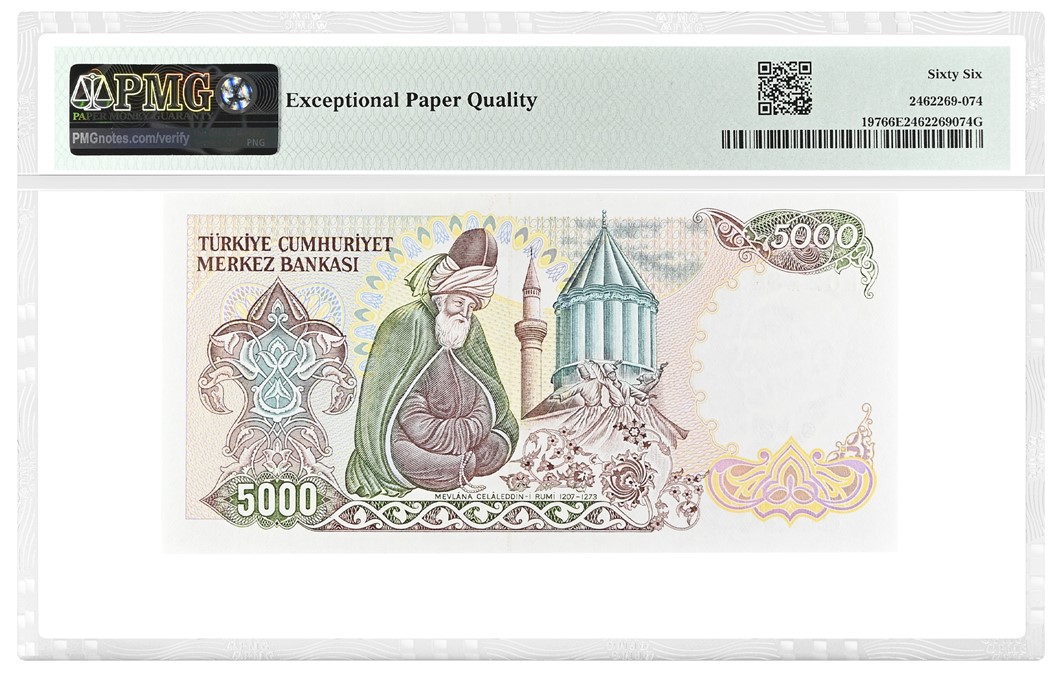
Rumi (1207-1273)
 |
|
 |
|
| Click images to enlarge. | |
Rumi became one of the most celebrated voices of Persian poetry and Sufi spirituality. His masterwork, the Masnavi, unfolds as a vast poetic exploration of divine love and the soul’s journey toward unity with the infinite. Writing in the 13th century, Rumi fused storytelling, philosophy, and mysticism into verses that continue to resonate globally, transcending religious and cultural boundaries. His poetry, often centered on themes of transformation and inner awakening, remains among the most widely read in the world today.
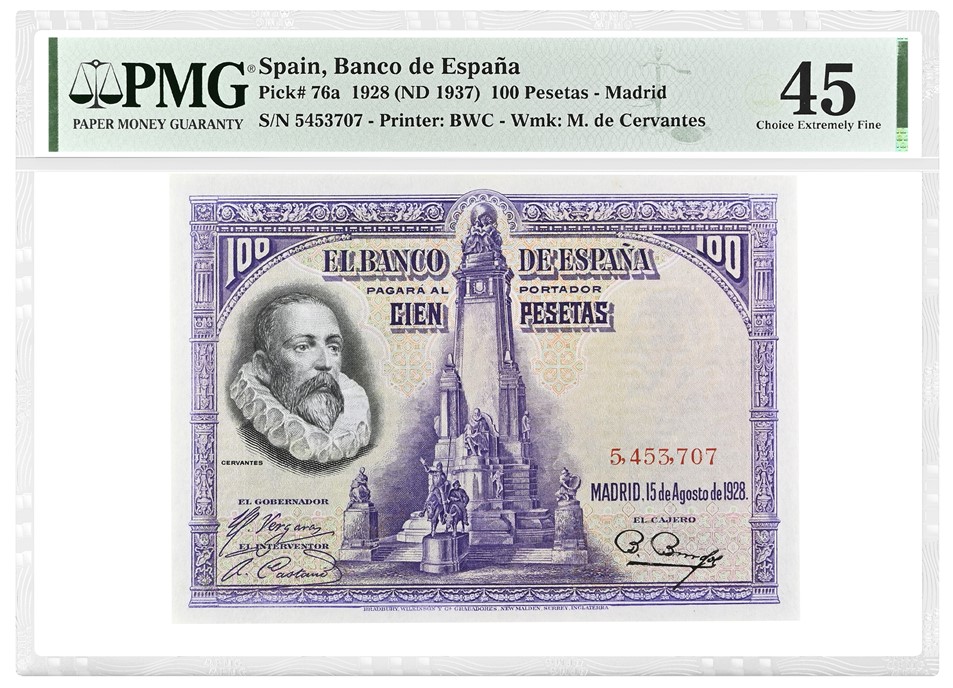
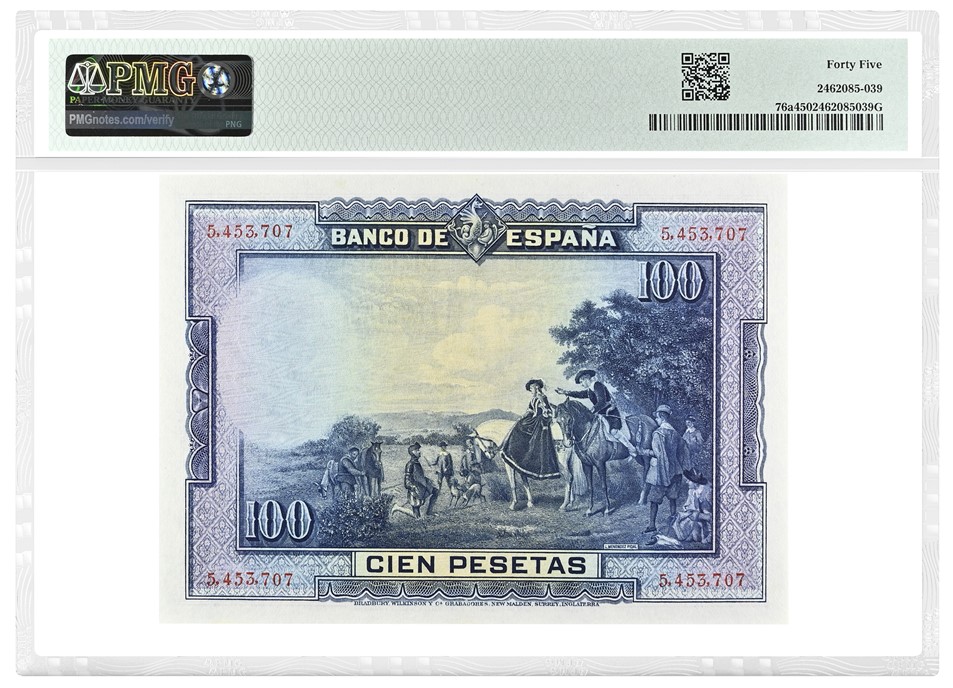
Miguel de Cervantes (1547-1616)
 |
|
 |
|
| Click images to enlarge. | |
Miguel de Cervantes reshaped the possibilities of fiction in the early modern era with Don Quixote, widely regarded as the first modern novel. He drew from a life marked by hardship, military service, and captivity to craft a story that blurred illusion and reality through the misadventures of an aging would-be knight. His work satirized chivalric traditions while probing deeper questions about identity and perception. The novel’s legacy lies in its layered narrative voice and its influence on the evolution of the novel as a literary form.
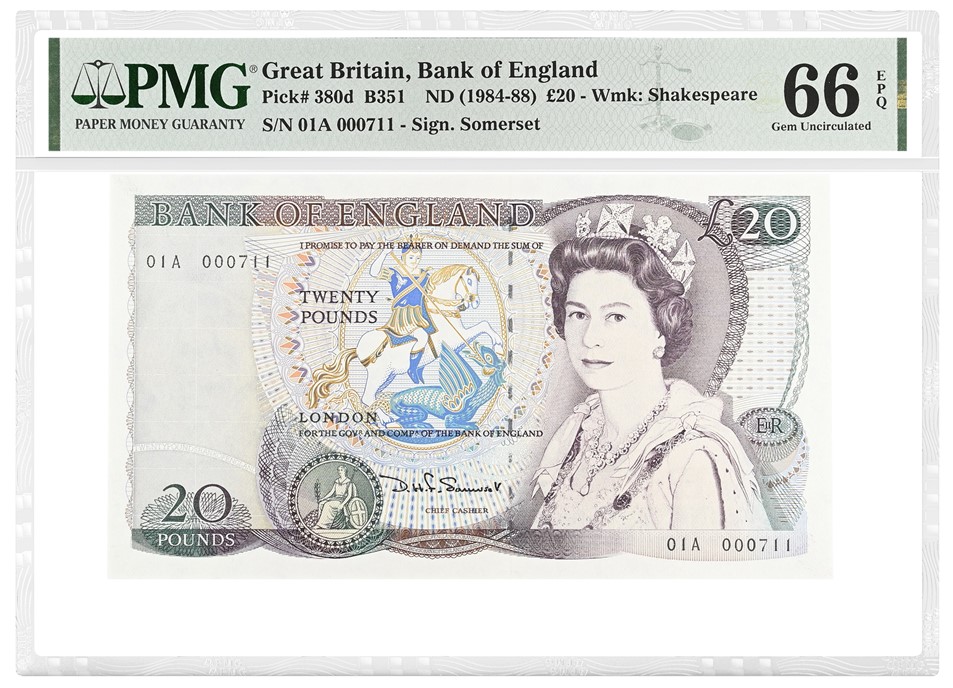
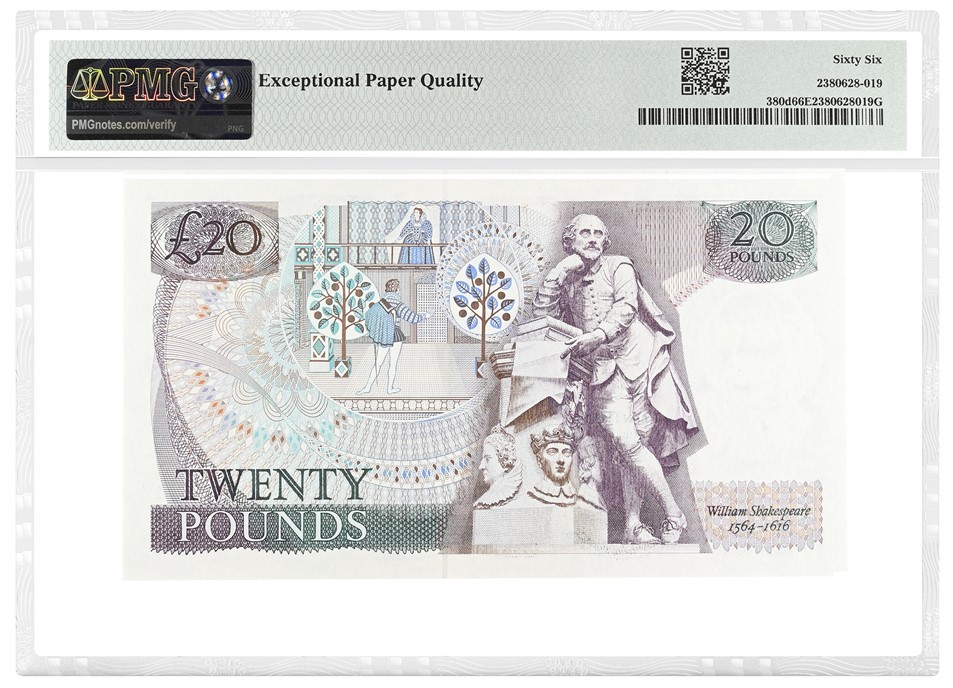
William Shakespeare (1564-1616)
 |
|
 |
|
| Click images to enlarge. | |
William Shakespeare remains one of the most influential dramatists in the English language, his works bridging the worlds of theater, poetry, and cultural memory. From tragedies like Hamlet and Macbeth to comedies such as A Midsummer Night’s Dream, his writing captures the complexities of ambition, love, power, and human contradiction. Shakespeare’s command of language and character has shaped storytelling for more than four centuries, embedding his phrases and archetypes into everyday speech and global culture.
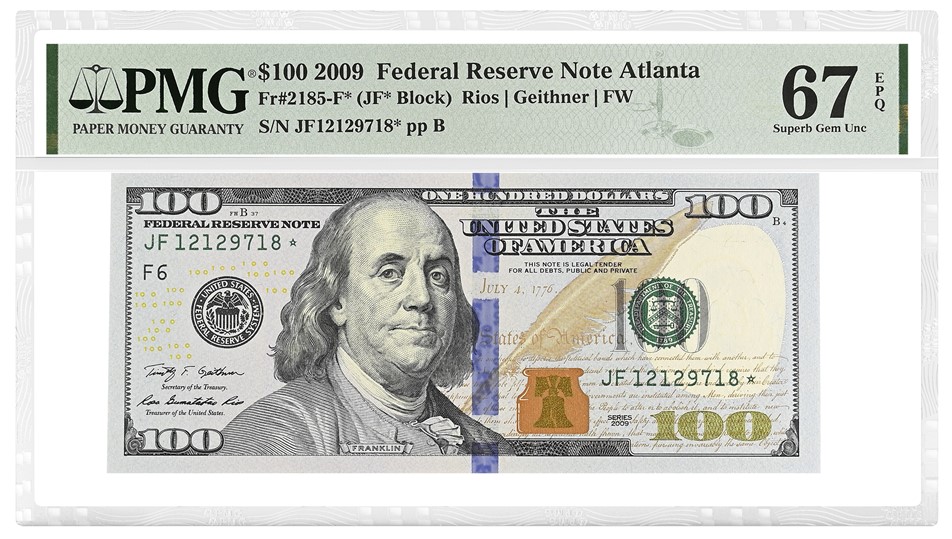
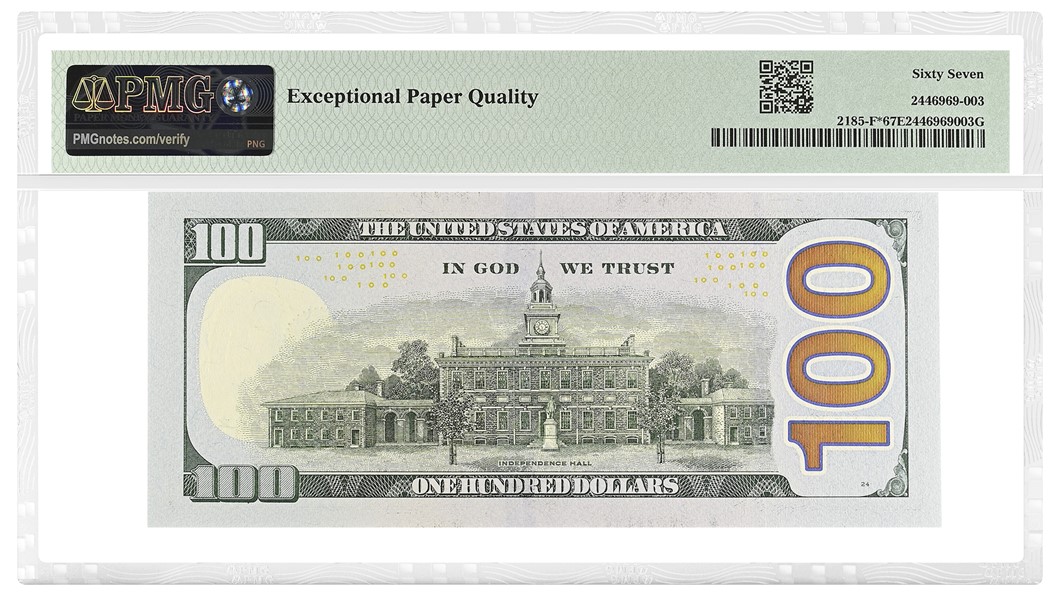
Ben Franklin (1706-1790)
 |
|
 |
|
| Click images to enlarge. | |
Benjamin Franklin occupies a rare space where literature meets nation-building. A polymath whose writings reflect both wit and practical wisdom, Franklin authored Poor Richard’s Almanack, a collection of aphorisms and observations that distilled Enlightenment ideals into accessible guidance for everyday life. Beyond his political and scientific achievements, Franklin’s autobiography remains a cornerstone of American literature, charting a self-made path defined by curiosity, discipline, and civic responsibility.
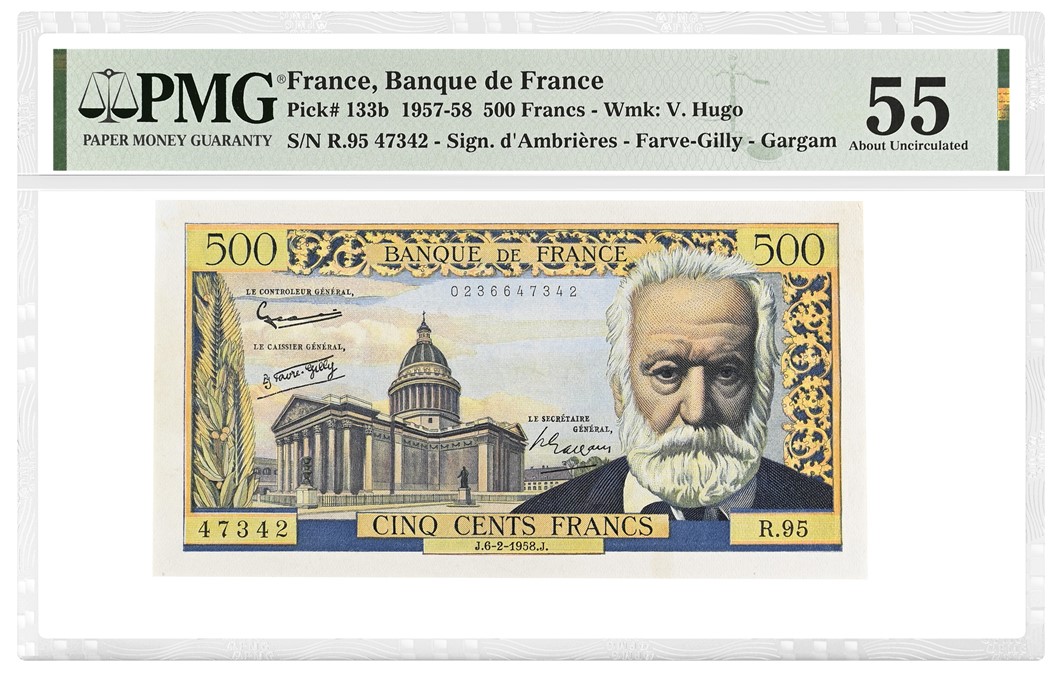
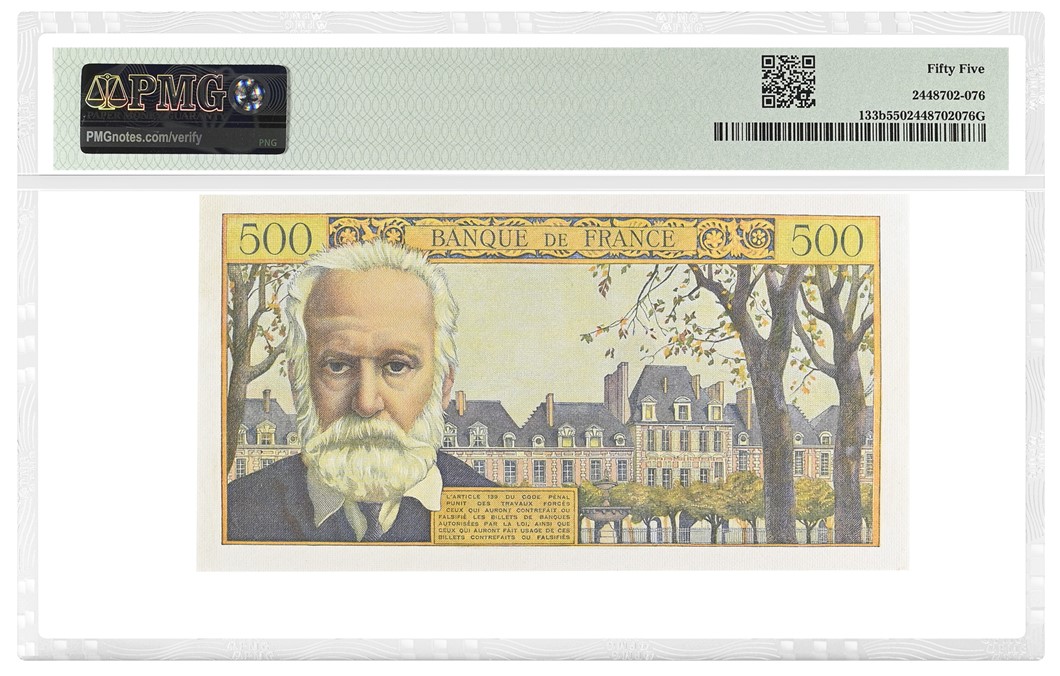
Victor Hugo (1802-1885)
 |
|
 |
|
| Click images to enlarge. | |
Victor Hugo brought sweeping emotional and social depth to 19th century literature, using fiction as a lens for justice and human dignity. His landmark works, including Les Misérables and The Hunchback of Notre Dame, confront poverty, inequality, and redemption against vividly rendered historical backdrops. His writing blends romantic intensity with political conviction, elevating the struggles of ordinary people into narratives that continue to shape cultural consciousness.
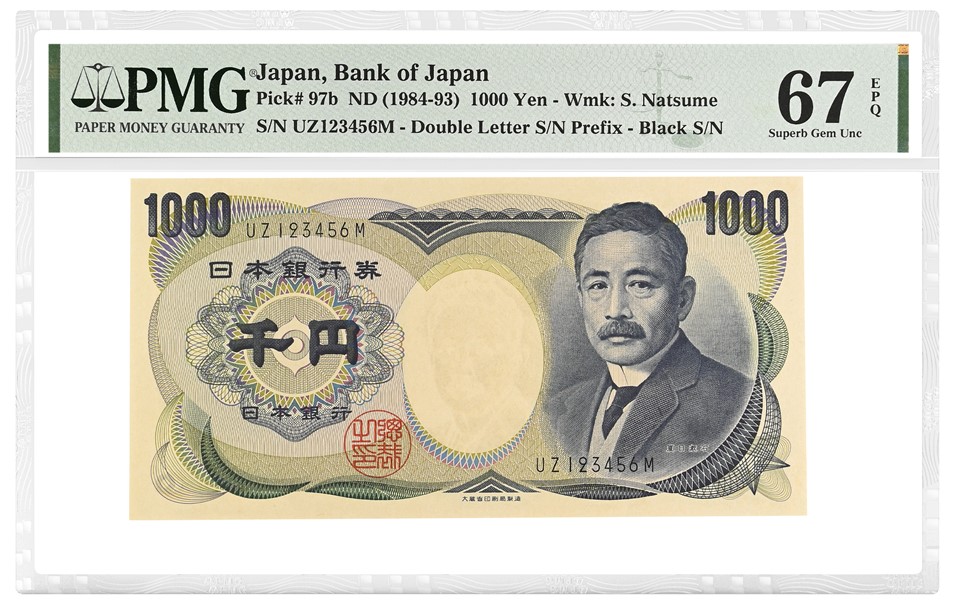
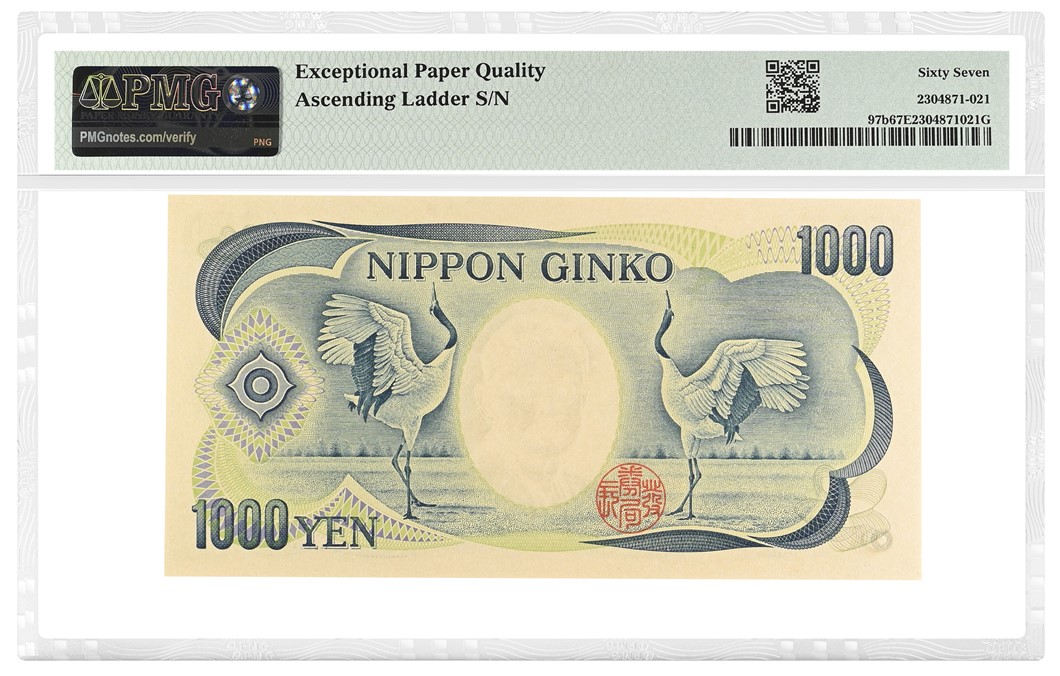
Natsume Sōseki (1867-1916)
 |
|
 |
|
| Click images to enlarge. | |
Natsume Sōseki emerged during Japan’s rapid modernization as a defining voice of literary introspection and cultural transition. Sōseki explored the tension between individual identity and societal change in works such as Kokoro, I Am a Cat, and Botchan. His prose, often marked by psychological depth and subtle irony, captured the unease of a nation negotiating Western influence and traditional values.
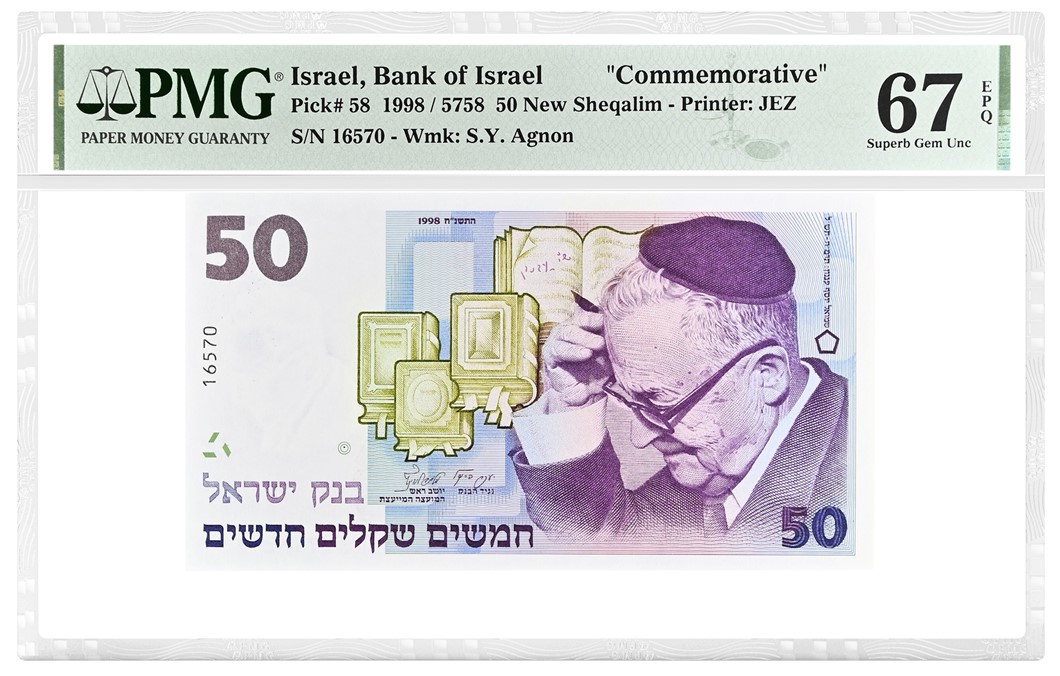
Shmuel Agnon (1887-1970)
 |
|
 |
|
| Click images to enlarge. | |
Shmuel Agnon bridged ancient Jewish tradition and modern narrative form in a body of work that earned him the Nobel Prize in Literature in 1966. His stories and novels, including A Guest for the Night and Only Yesterday, weave folklore, religious texts, and contemporary experience into richly layered prose. Writing primarily in Hebrew, Agnon helped shape modern Israeli literature while preserving the rhythms and themes of cultural heritage.
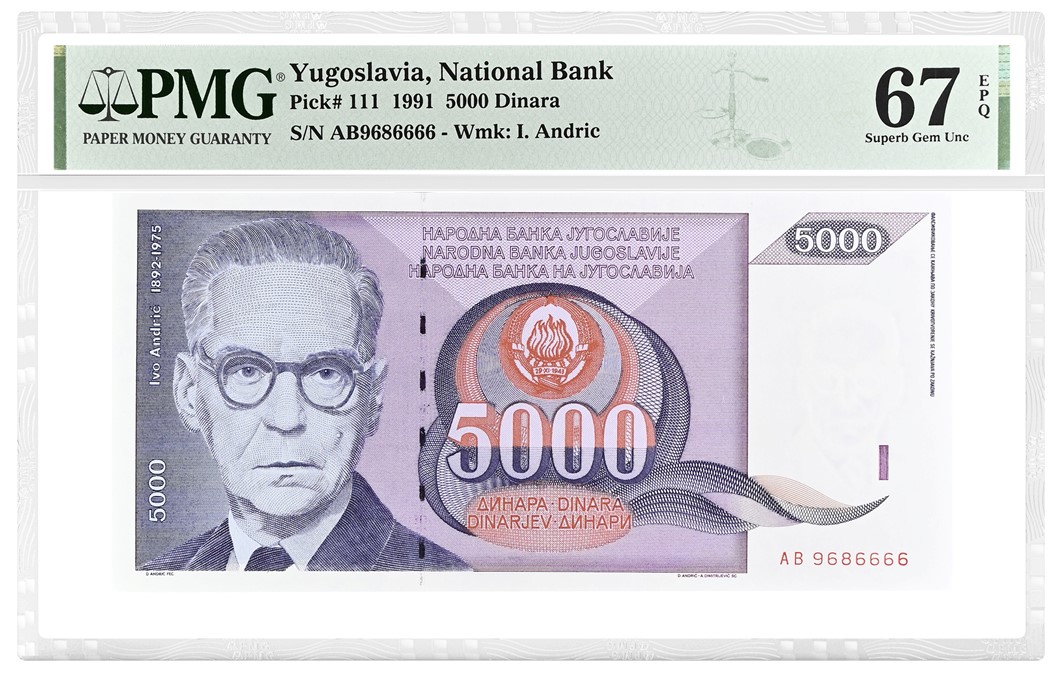
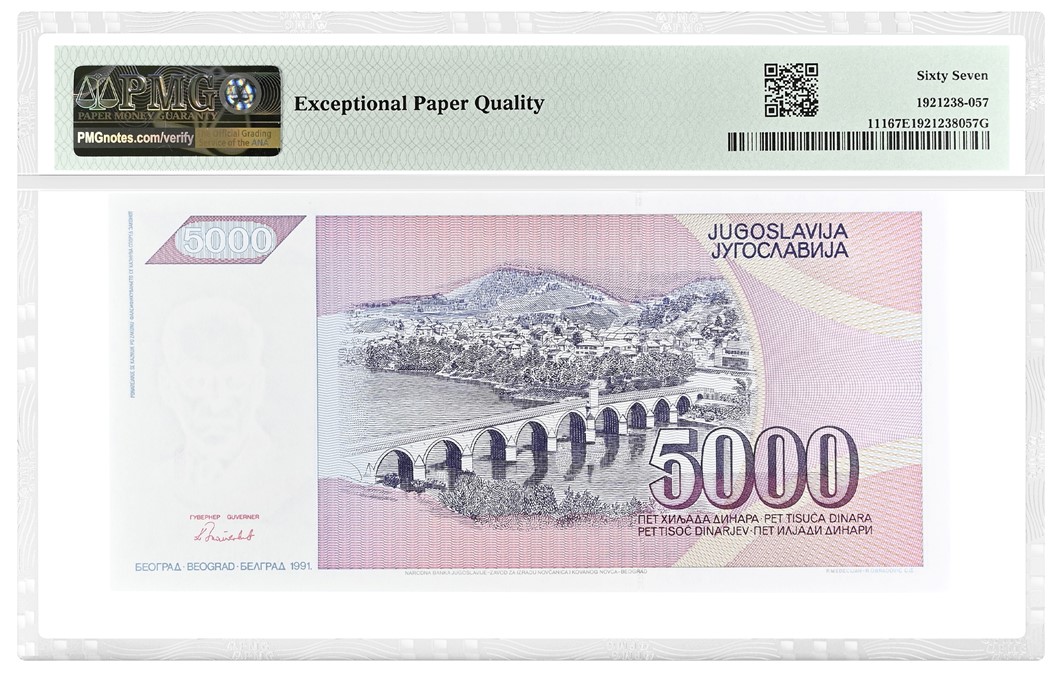
Ivo Andrić (1892-1975)
 |
|
 |
|
| Click images to enlarge. | |
Ivo Andrić chronicled the complex cultural and historical currents of the Balkans with a quiet, observant precision that earned him the Nobel Prize in Literature in 1961. His most celebrated work, The Bridge on the Drina, traces centuries of life in Bosnia through the lens of a single enduring structure, reflecting shifting empires, identities, and human experiences. Andrić’s writing offers a nuanced portrait of coexistence and conflict in a region shaped by both.
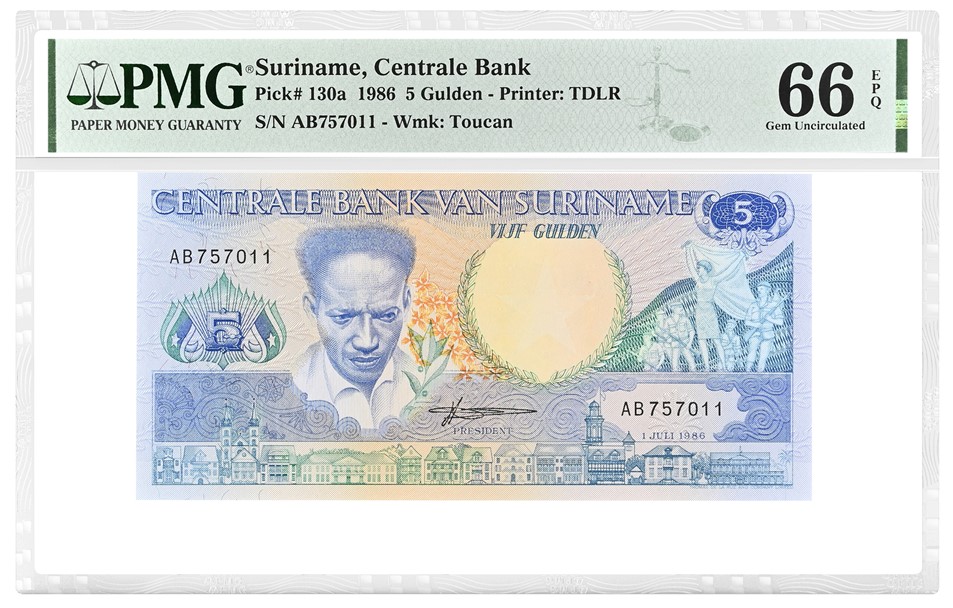
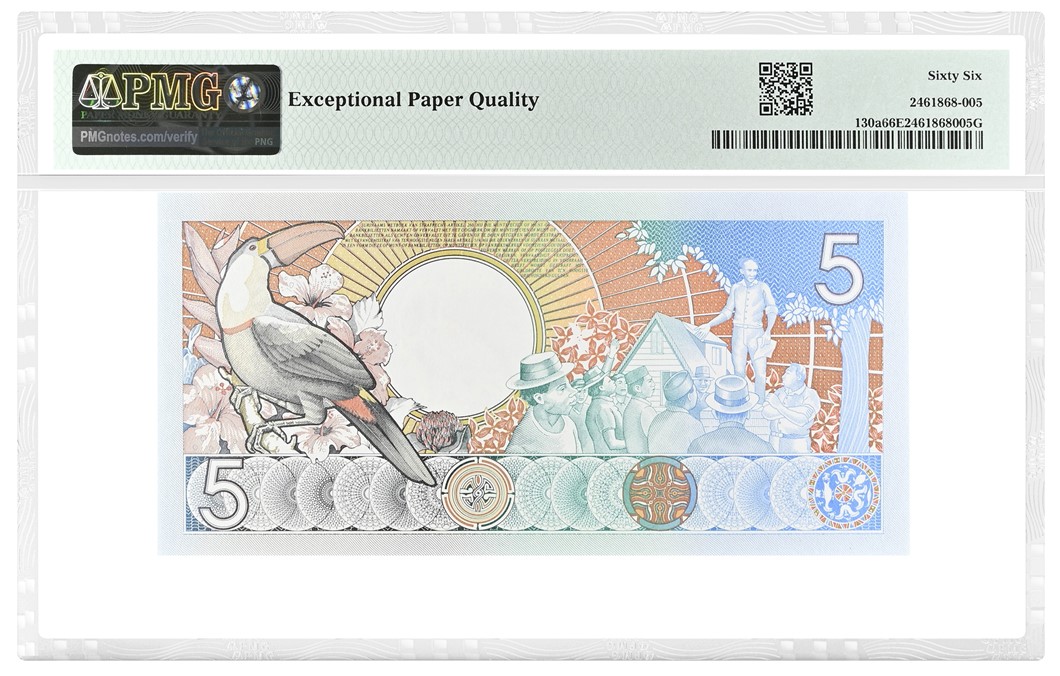
Anton de Kom (1898-1945)
 |
|
 |
|
| Click images to enlarge. | |
Anton de Kom fused literature and resistance in his unflinching examination of colonial injustice. His seminal work, We Slaves of Suriname, challenged dominant historical narratives by centering the voices and experiences of the oppressed. Beyond his writing, De Kom was an active opponent of colonial rule and later joined the Dutch resistance during World War II, a commitment that ultimately led to his death in a Nazi concentration camp.
If you’ve enjoyed this feature, there are even more male authors — including José Echegaray (1904 Nobel Prize in Literature, Spain), Henryk Sienkiewicz (1905 Nobel Prize in Literature), Gabriel García Márquez (1982 Nobel Prize in Literature, Colombia), and Bjørnstjerne Bjørnson (1903 Nobel Prize in Literature, Norway) —mentioned in a previous column spotlighting Nobel Prize for Literature Winners.
Also, be sure to follow PMG on Facebook, Instagram, and Twitter for articles and interesting notes posted daily.
Stay Informed
Want news like this delivered to your inbox once a month? Subscribe to the free PMG eNewsletter today!
There is never any charge to contact us. To reach a customer service representative, call, text or WhatsApp (+1) 855-472-3310 or use this form.