Collection Inspiration: Angels
Posted on 12/23/2025
Angels can be shorthand for the virtues that nations want to project. Designers reach for them when they need imagery that signals protection, justice, purity, strength or divine oversight. An angel on a note can soften a harsh era or elevate a prosperous one, framing the state as guided by higher ideals rather than just earthly power.
They also suggest fairness, moral order and a watchful presence that keeps chaos at bay. Even in secular contexts, they function as universal symbols of hope, renewal and continuity — making these notes appropriate for Christmastime and heading into a new year.
Ten banknotes featuring angelic figures
 |
|
 |
|
| Click images to enlarge. | |
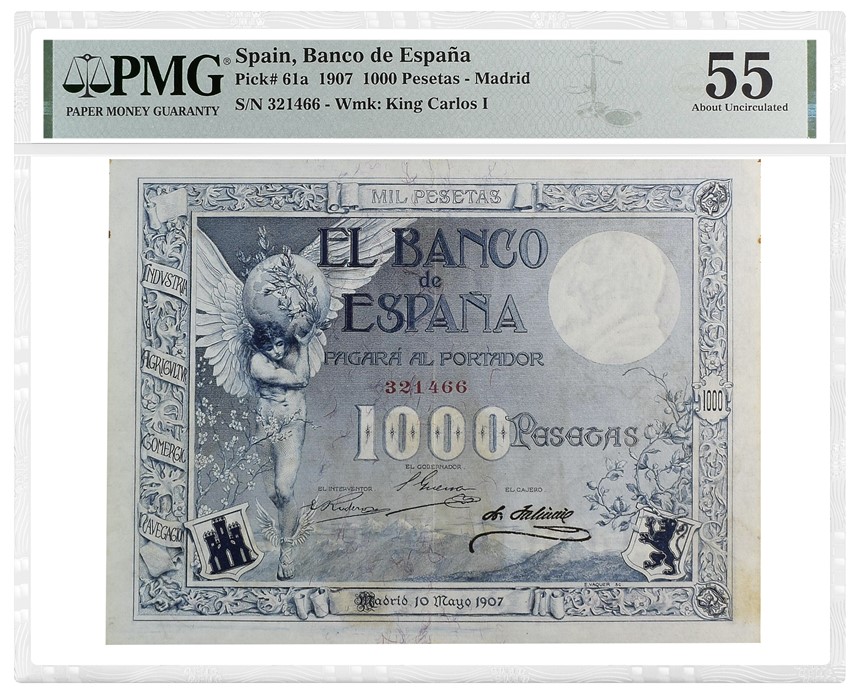
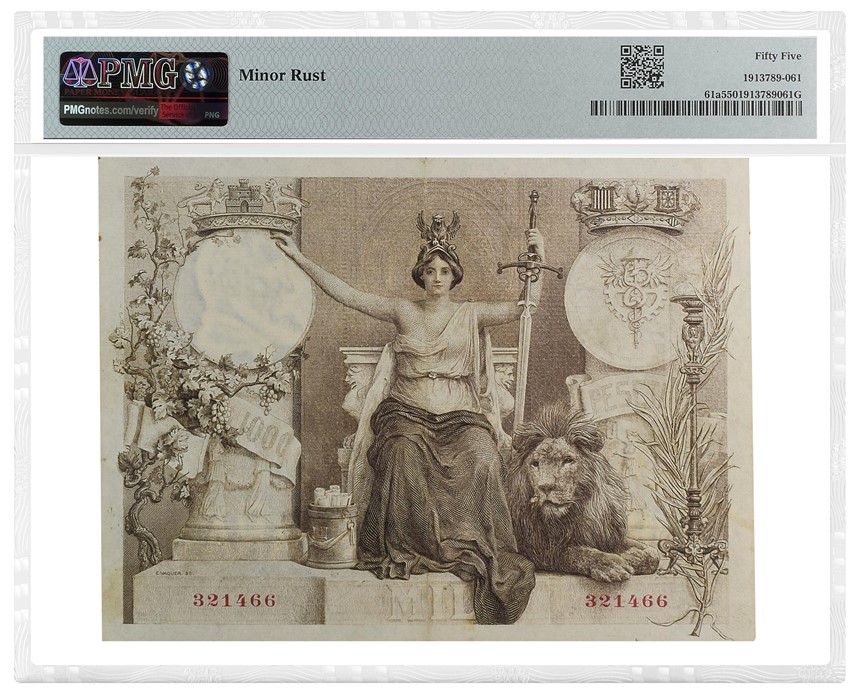
Spain 1907 Banco de Espana 1,000 Pesetas
The 1907 Banco de España 1,000 Peseta note, often called “the Angel,” shows a winged Mercury carrying a terrestrial globe. By prominently featuring the god of commerce and travelers, the design gives the note a timeless quality, linking Spain’s worldwide financial authority to classical imagery that conveyed sophistication and reliability to anyone handling the currency.
 |
|
 |
|
| Click images to enlarge. | |
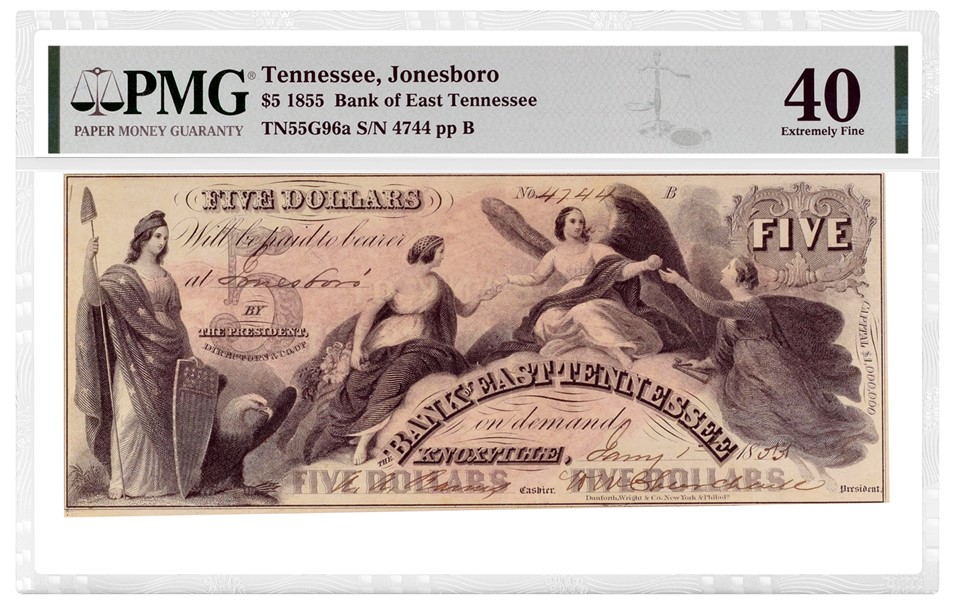
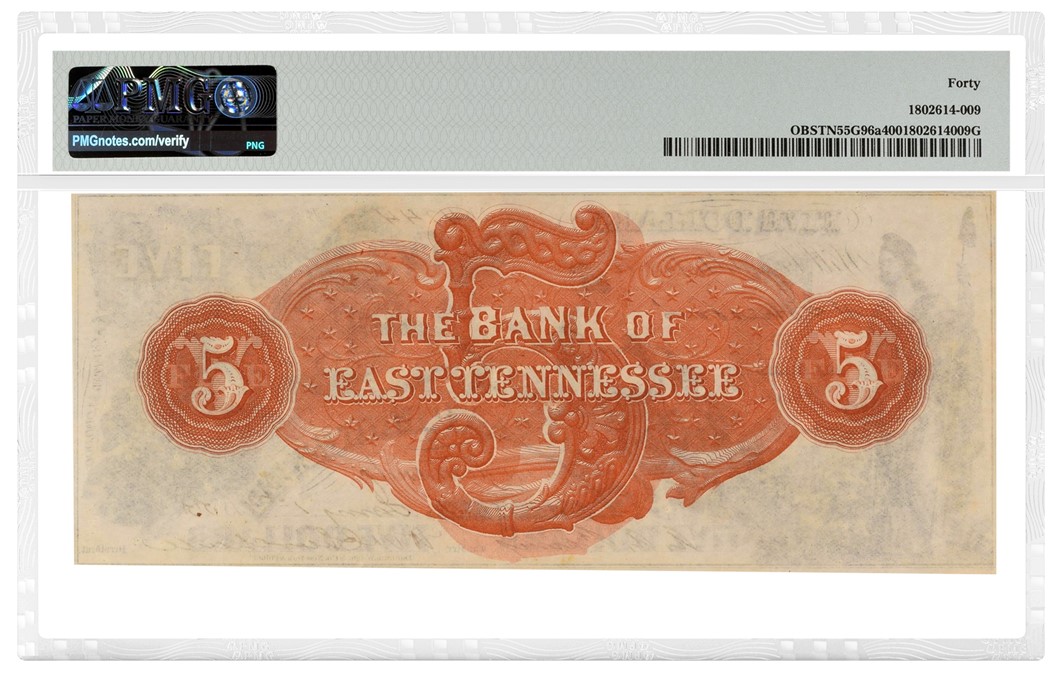
Tennessee, Jonesboro 1855 $5
An angel lends credibility to this small Tennessee bank at a time when locally issued notes were often questioned. Paired with the rural backdrop, the figure reinforces faith and signals reliability to people trusting the bank with a considerable amount of money. It serves as a quiet endorsement that the issuing bank took care in its operations, which mattered more than ever in a market crowded with competing local issues.
 |
|
 |
|
| Click images to enlarge. | |
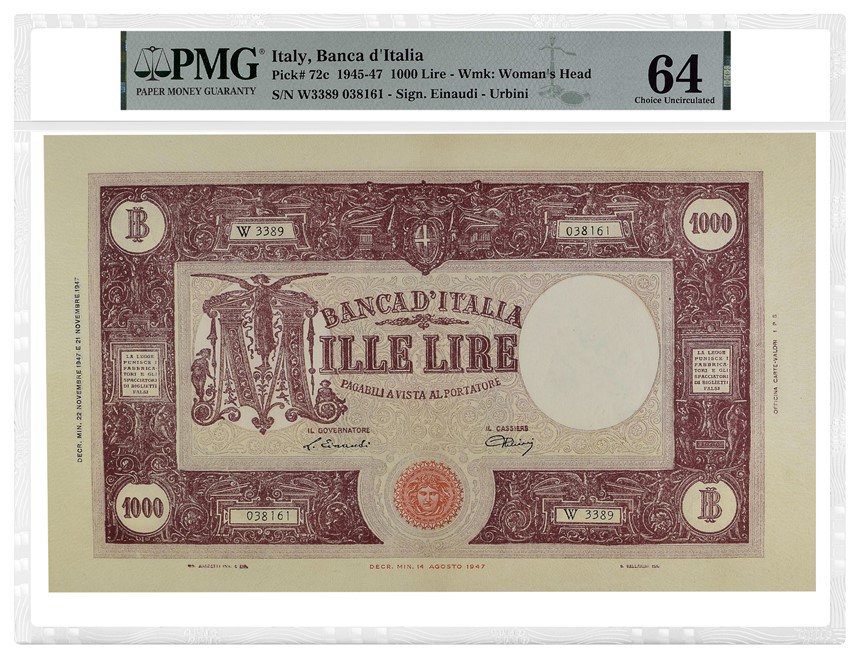
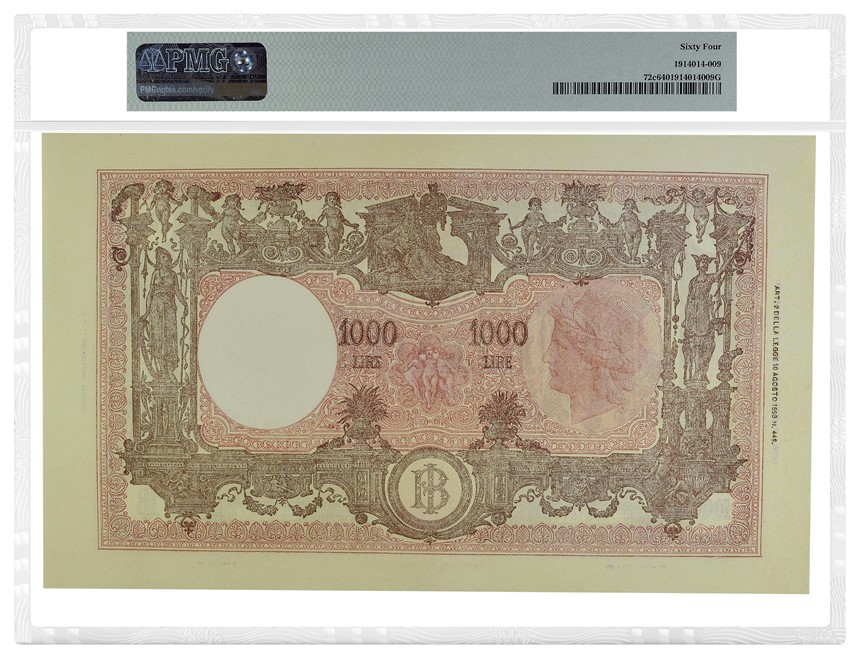
Italy 1945-47 Banca d’Italia 1,000 Lire
The angels on the front of this note convey calm and order in the wake of World War II. The figure frames the note in a classical style that reassures holders the state could maintain continuity as the country worked to restore economic confidence. The wings and gestures subtly reinforce the idea of oversight, suggesting that even in a time of postwar uncertainty, the currency was backed by an authority aiming to guide recovery and stability.
 |
|
 |
|
| Click images to enlarge. | |
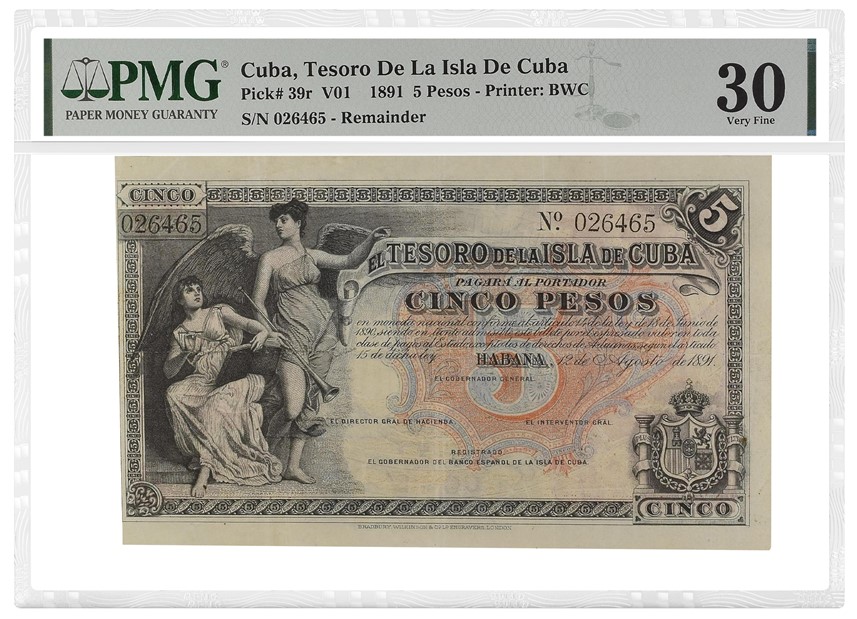
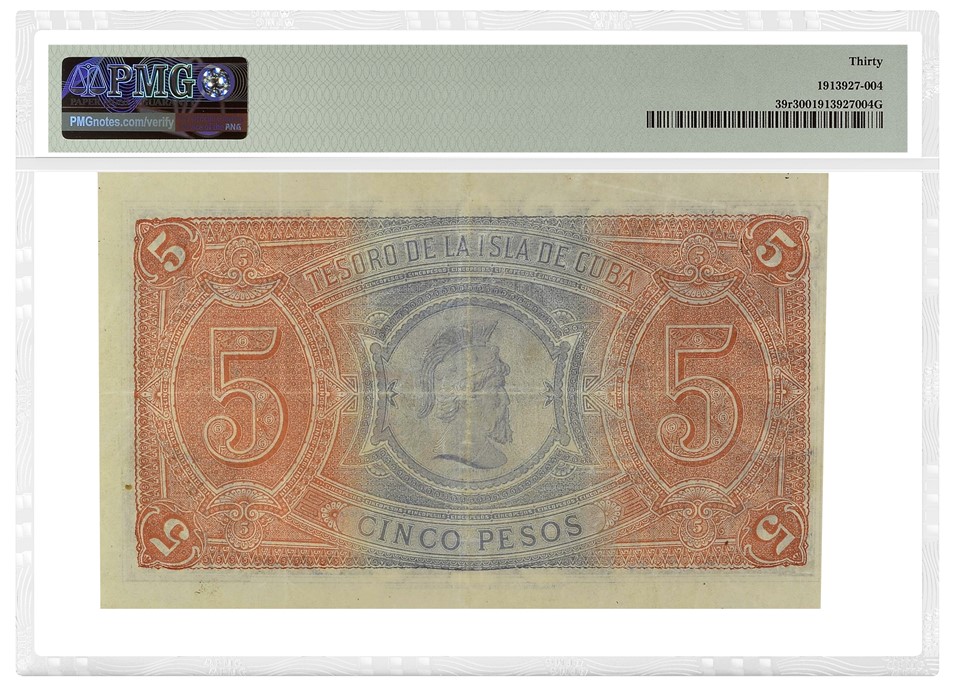
Cuba 1891 Tesoro De La Isla De Cuba 5 Pesos
The classic image of an angel with a trumpet heralds legitimacy during a tense colonial period. Its presence provides a neutral symbol of oversight and authority, helping the note feel official in a time when people were cautious about the value and source of paper money. The figure also gives the note a sense of dignity and permanence, signaling that the treasury sought to inspire confidence in its notes, though the Spanish imperial era would end within a few short years.
 |
|
 |
|
| Click images to enlarge. | |
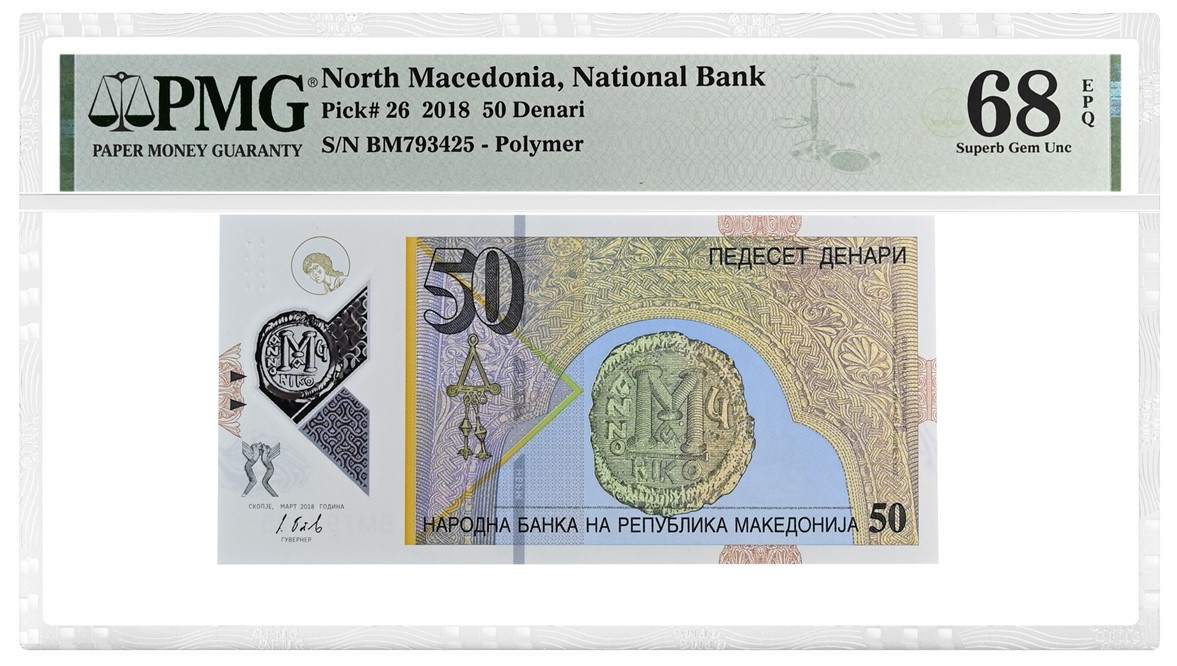
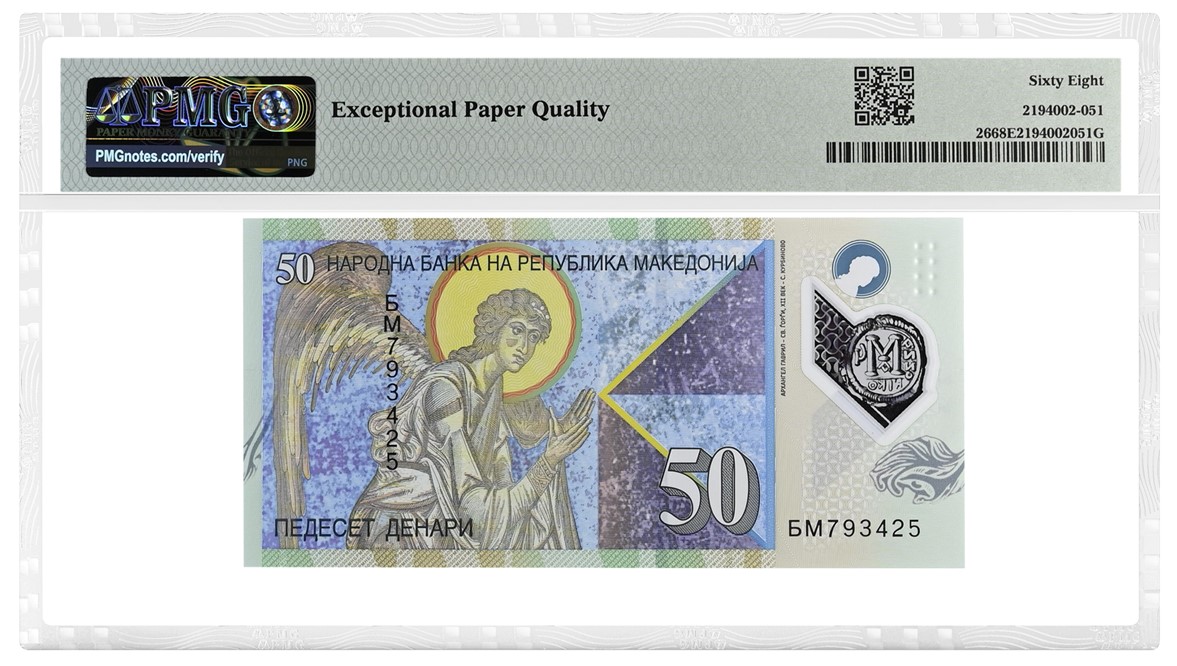
North Macedonia 2018 50 Denari
The archangel Gabriel ties this currency to the Macedonia region’s long tradition of religious art. As the heavenly messenger to Mary in the biblical account of Jesus’ birth, Gabriel conveys guidance and protection, giving the note a grounded sense of cultural identity while linking modern design to shared heritage. His inclusion reinforces a sense of continuity across centuries, connecting contemporary financial instruments with the symbolic language that has shaped Macedonian art, architecture and public imagery for generations.
 |
|
 |
|
| Click images to enlarge. | |
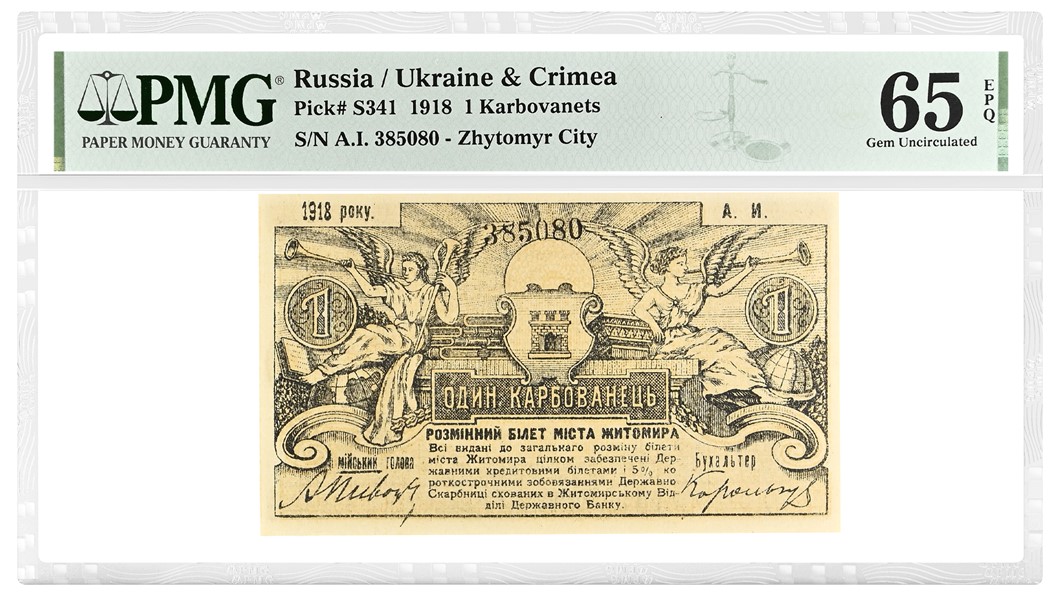
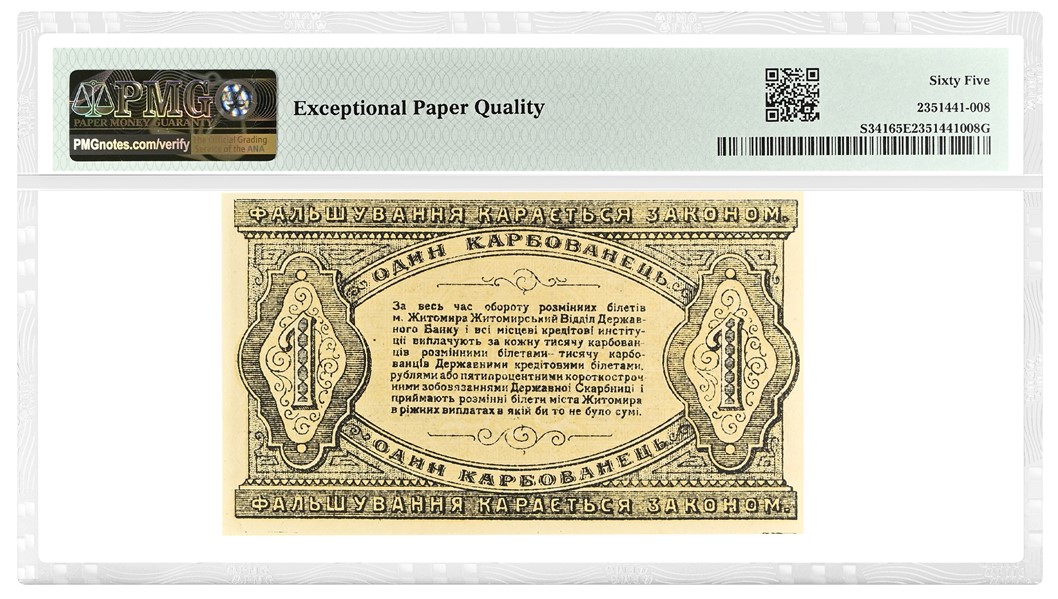
Russia / Ukraine & Crimea 1918 1 Karbovanets
An angel represents legitimacy and protection amid political turmoil, when people are uncertain which currencies can be trusted. In the chaos that followed the collapse of imperial Russia, the pair of angels on the front of this note lend a sense of balance and order.
 |
|
 |
|
| Click images to enlarge. | |
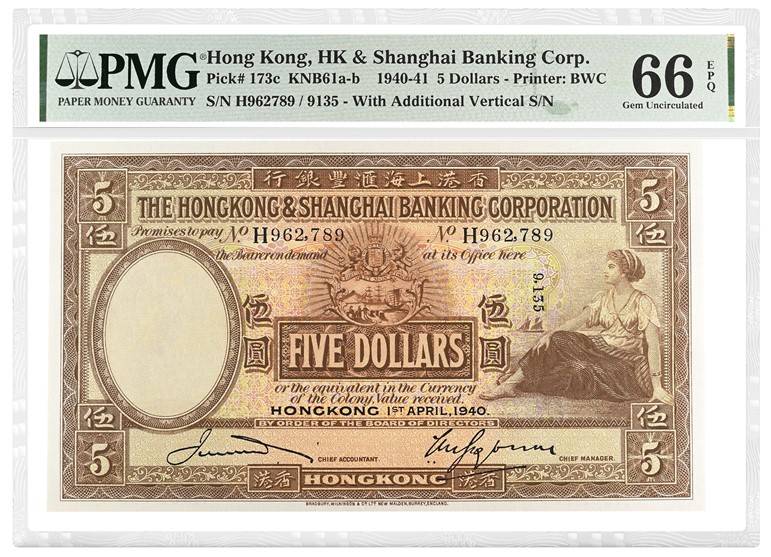
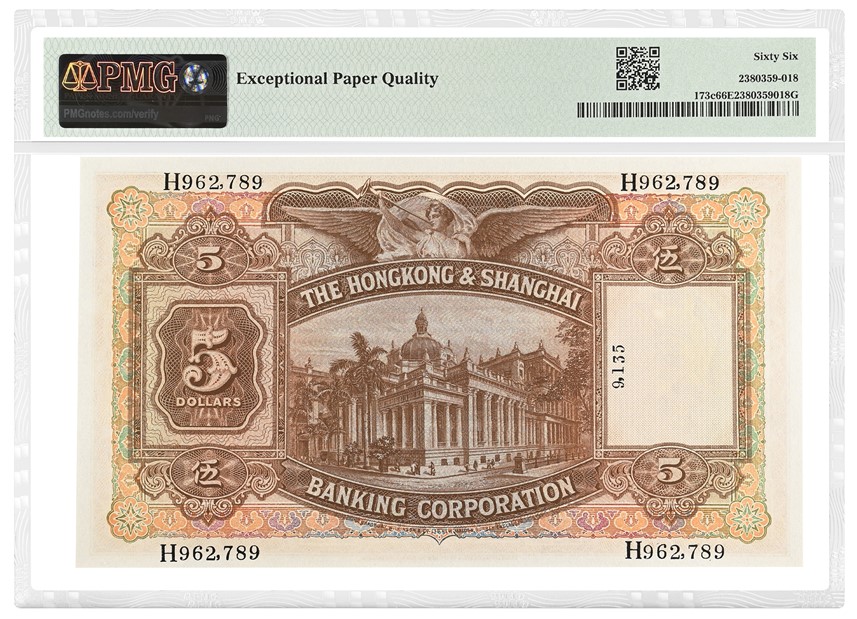
Hong Kong 1940-41 HK & Shanghai Banking Corp. 5 Dollars
The angel here occupies a decorative, almost ceremonial role, adding dignity and refinement while conveying that the bank could be trusted to handle its responsibilities seriously during a period of regional uncertainty. Shown above an image of the bank’s building, the angel’s presence acts as a subtle reassurance to users, suggesting the institution maintained continuity and care despite external pressures.
 |
|
 |
|
| Click images to enlarge. | |
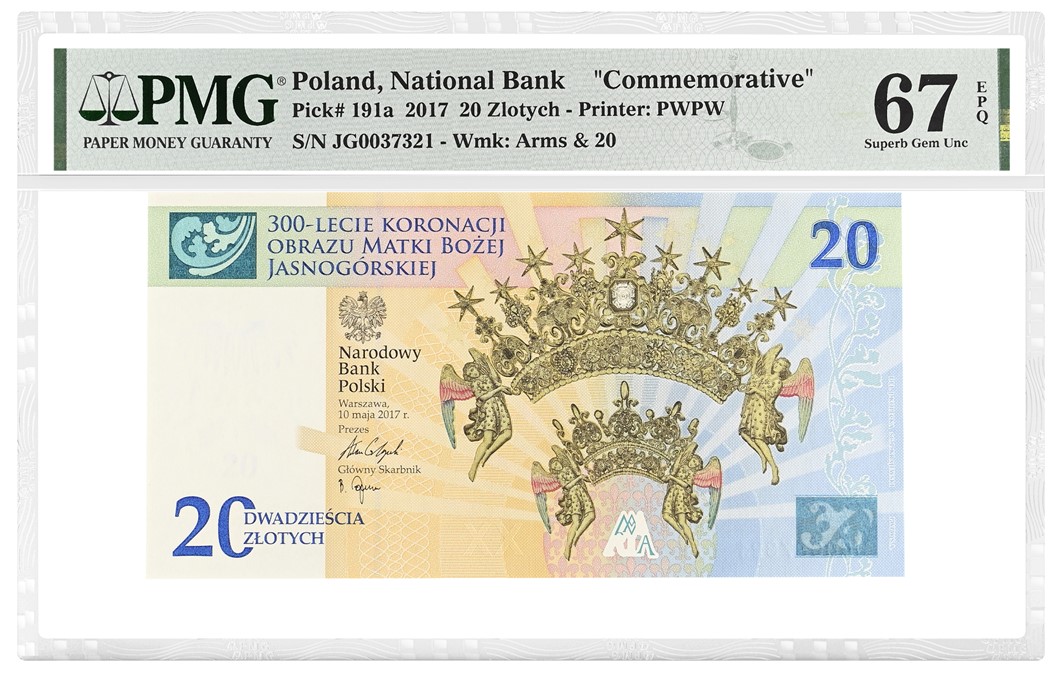
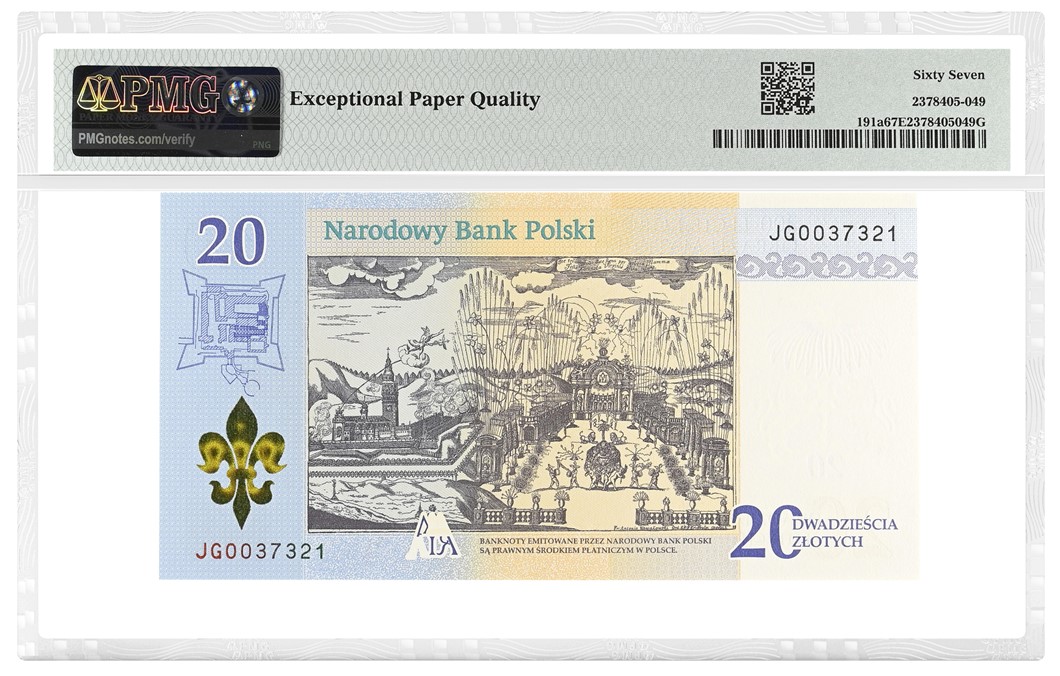
Poland 2017 National Bank 20 Zlotych
Poland issued this commemorate note for the 300th anniversary of the canonical coronation of the icon Our Lady of Czestochowa (also called the Black Madonna of Czestochowa), in which the pope allowed it to be honored with crowns. This is represented by the two crowns carried by angels on the front of the note: one for Mary and the other for the child Jesus. Thieves stole the original crowns in 1909, but Pope Pius X replaced them the next year. John Paul II, the first native of Poland to become pope, also donated a set later.
 |
|
 |
|
| Click images to enlarge. | |
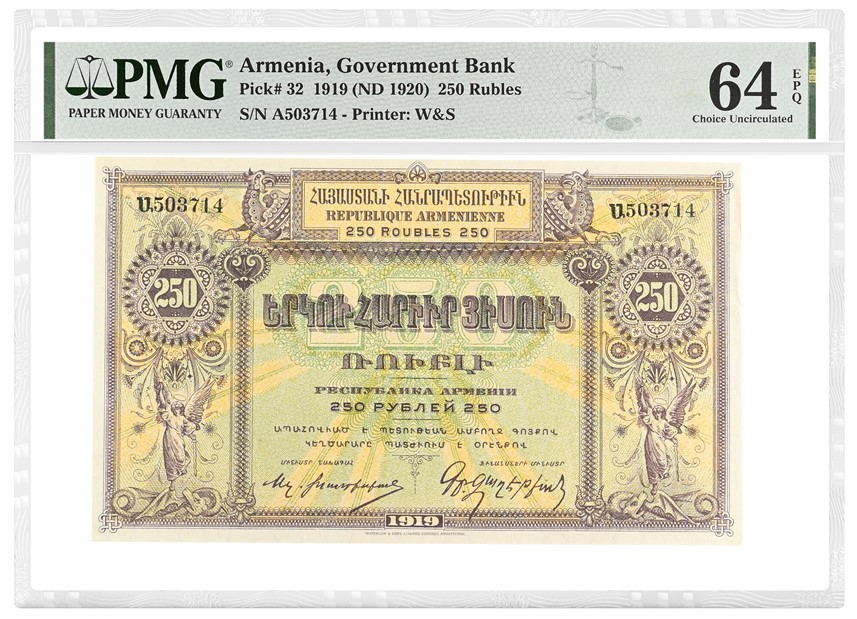
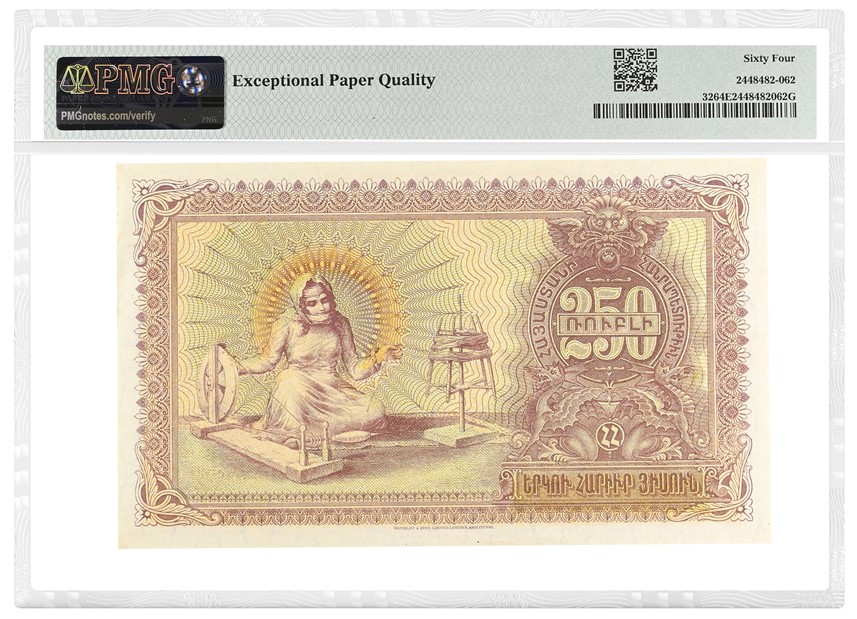
Armenia 1919 Government Bank 250 Rubles
More than 1,700 years ago, Armenia was the first nation to adopt Christianity, which remains important there today. The angels on the front of this note give a sense of authority to the new government that emerged after the end of Russia’s imperial era.
 |
|
 |
|
| Click images to enlarge. | |
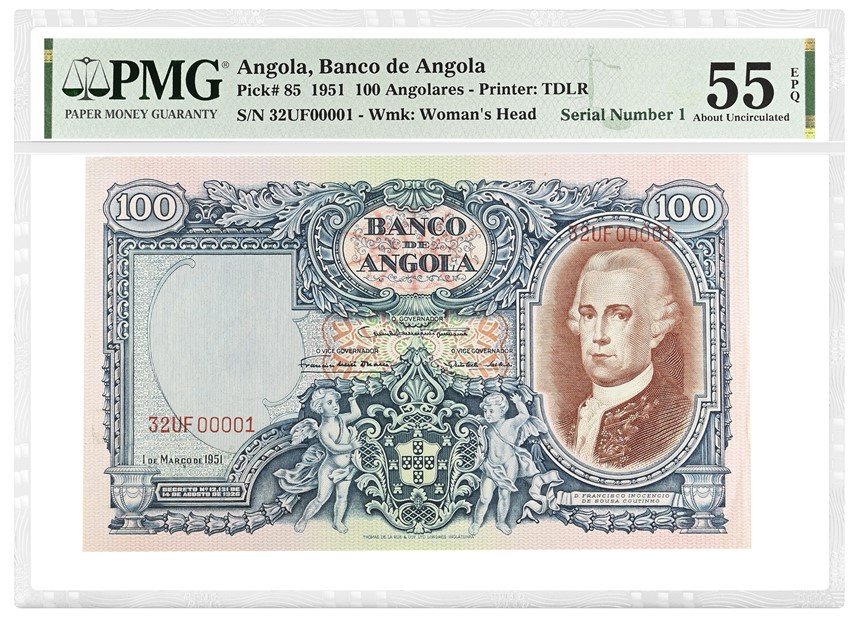
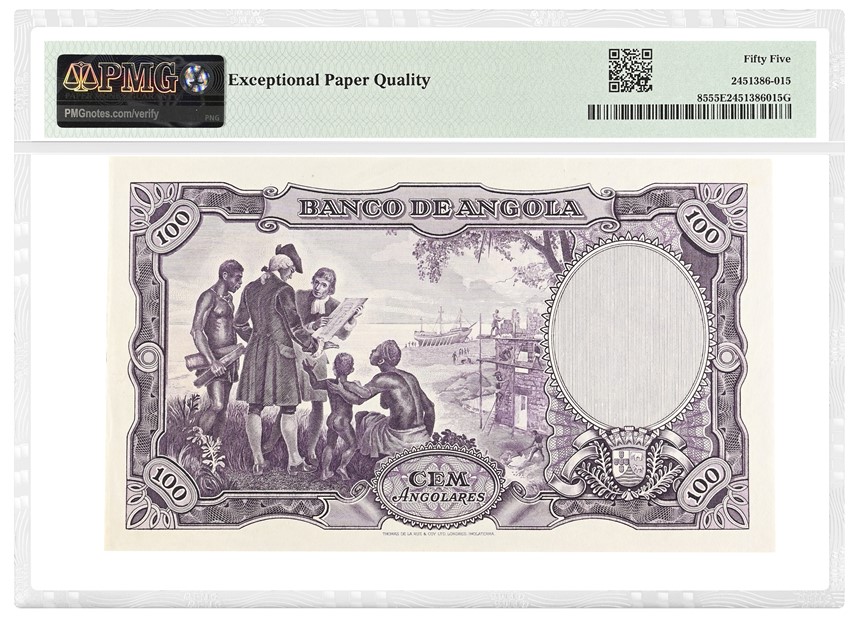
Angola 1951 Banco de Angola 100 Angolares
A pair of cherubs frame the Portuguese coat of arms on the front of this note, issued as the European nation sought to maintain its control over Angola and its other colonies after World War II. Despite the sense of tranquility in the note’s design, Angola soon was embroiled in a war for independence, which it achieved in 1974.
If these notes inspired you, check out our other Collection Inspiration columns for more collecting ideas, including churches and saints. Also, be sure to follow PMG on Facebook, Instagram and Twitter for articles and interesting notes posted daily.
There is never any charge to contact us. To reach a customer service representative, call, text or WhatsApp (+1) 855-472-3310 or use this form.